Walking into a gym for the first time can feel intimidating. The hum of machines, the clang of weights, and what seems like a sea of incredibly fit people who know exactly what they’re doing… it’s enough to make anyone want to turn around and walk right back out.
I’ve been there. We all have.
That feeling is completely normal. But here’s the secret no one tells you: starting right is more important than starting hard. Those first few weeks and months aren’t about transforming your body overnight. They’re about building a foundation—of habit, of knowledge, and of confidence. That’s how real, lasting change happens.
This guide is for you, the beginner. It’s packed with 15 gym tips for beginners that are practical, realistic, and designed to help you get results while actually enjoying the process. This isn’t about extreme diets or impossible workouts. It’s about smart, sustainable steps that build a fitness journey you can stick with for life.
Section 1: Getting Your Mindset Right
1. Your Only Competition is Yesterday’s You
Forget the person lifting twice your weight or running twice your speed. Comparison is the fastest way to kill motivation. The gym is a personal space. Your journey is unique.
- Practical Example: If you walked on the treadmill for 10 minutes last time, aim for 12 today. If you did 8 bodyweight squats, try for 10. Celebrate these micro-wins.
- Common Error It Avoids: Feeling inadequate and giving up because you’re not “as good as” others.
- Real Benefit: Builds intrinsic motivation and self-confidence. Progress, no matter how small, feels incredible.
2. Ditch the “All or Nothing” Mentality
You don’t need to live at the gym. A 30-minute, focused workout is infinitely better than a 2-hour, aimless one you dread. Consistency over perfection, always.
- Practical Example: Commit to 3 days a week for 30-45 minutes. Stick to that schedule like a doctor’s appointment. If you miss a day, you simply go the next day. No drama, no guilt.
- Common Error It Avoids: Burning out in week two because you went from 0 to 7 days a week.
- Real Benefit: Makes fitness a manageable, non-negotiable part of your life, not a punishing chore.
3. Embrace Being a Beginner (It’s Your Superpower)
Right now, you have the most powerful tool: newbie gains. Your body will respond quickly to any new, consistent stimulus. Don’t rush past this magical phase trying to do advanced routines.
- Practical Example: Follow a simple, full-body beginner program. Focus on learning the basic movements—squat, hinge, push, pull.
- Common Error It Avoids: Jumping into a complicated split routine designed for advanced lifters, leading to confusion and poor results.
- Real Benefit: Rapid physical progress and a solid understanding of fundamentals that will protect you from injury forever.
Related Post

Section 2: Your First Steps Inside the Gym
4. Have a Simple Plan Before You Walk In
Walking in without a plan is like going grocery shopping when you’re starving—you’ll grab anything, feel overwhelmed, and likely leave unsatisfied. A plan gives you direction and purpose.
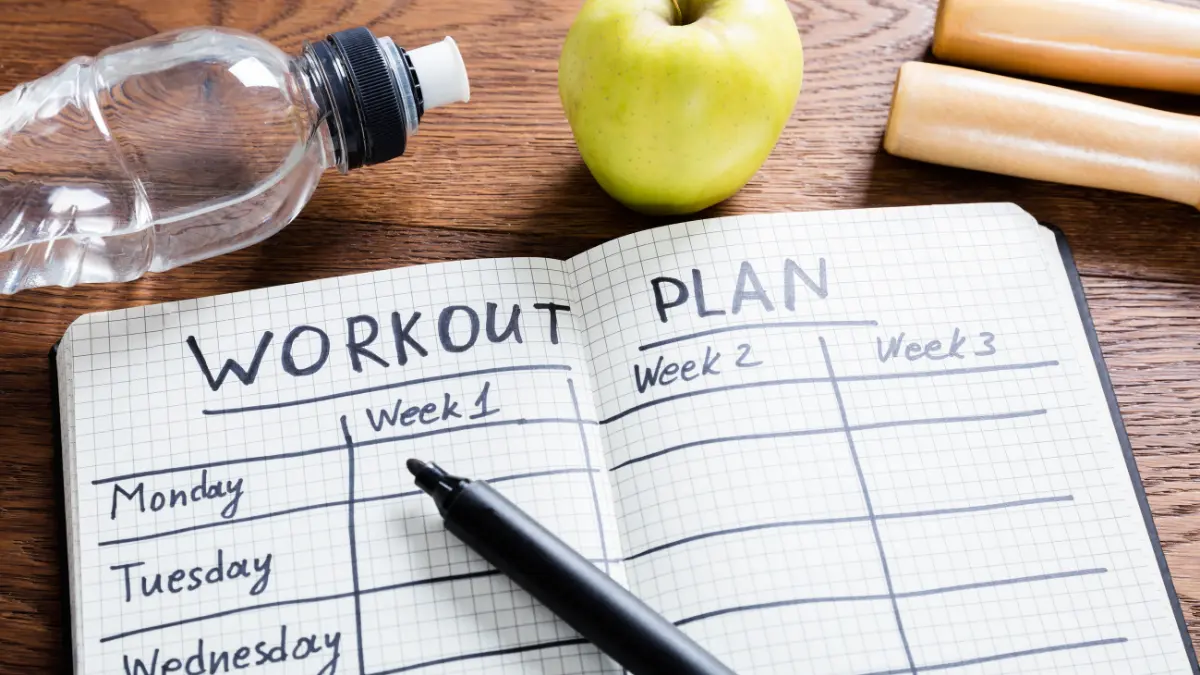
- Practical Example: Write down your workout on your phone:
1. Treadmill walk (5 min warm-up).
2. Leg Press: 3 sets of 10.
3. Lat Pulldown: 3 sets of 10.
4. Chest Press Machine: 3 sets of 10.
5. Plank: 3 holds of 20 seconds. - Common Error It Avoids: Wandering aimlessly, feeling self-conscious, and wasting time figuring out what to do next.
- Real Benefit: Reduces anxiety, increases workout efficiency, and ensures you’re training all major muscle groups.
5. Master the Art of the Warm-Up (It’s Not Optional)
A proper warm-up is your insurance policy against injury and your ticket to a better performance. It’s not about static stretching. It’s about preparing your body to move.
- Practical Example: 5-10 minutes of light cardio (walking, cycling) followed by dynamic stretches: leg swings, arm circles, torso twists, bodyweight squats.
- Common Error It Avoids: Jumping straight into heavy weights or sprinting with cold muscles and stiff joints.
- Real Benefit: Increases blood flow, improves range of motion, and mentally prepares you for the workout ahead.
6. Form Over Ego, Every Single Time
This is the most critical of all working out tips for beginners. Lifting more weight with terrible form is a one-way ticket to Injury Town. It also means you’re not effectively working the target muscles.
- Practical Example: On a squat, focus on pushing your hips back, keeping your chest up, and going to a depth you can control. Start with just your bodyweight or a light PVC pipe to learn the pattern.
- Common Error It Avoids: Arching your back on a heavy lat pulldown or using momentum to swing dumbbells. You see this everywhere—don’t be that person.
- Real Benefit: Maximum muscle engagement, steady strength gains, and a long, healthy training career.
Section 3: Training Smart & Safe
7. Start with Machines (They’re Your Friendly Guide)
Machines get a bad rap, but for a beginner, they are fantastic. They guide your range of motion, which makes learning safer and easier. They build initial strength and confidence.
- Practical Example: For your first month, use the chest press machine, leg press, lat pulldown, and leg curl/extension machines to learn the pushing, pulling, and leg movements.
- Common Error It Avoids: Going straight to free weights (barbells, dumbbells) without the foundational stability, leading to frustration and instability.
- Real Benefit: Safe, controlled strength building. It’s like training wheels for your muscles.
8. Learn 3-5 Compound Exercises
Compound exercises work multiple muscle groups at once. They are the most efficient and effective way to train. These are the kings and queens of beginner workout tips.

- Practical Example: Focus on mastering these movement patterns: Squat (for legs), Hinge (Deadlift pattern with light weight or hip thrusts), Push (Push-up or chest press), Pull (Row or lat pulldown), and Carry (Farmer’s walk with light dumbbells).
- Common Error It Avoids: Spending 45 minutes on isolated arm exercises while neglecting your larger, calorie-burning back and leg muscles.
- Real Benefit: You work more muscle in less time, burn more calories, and build functional strength that helps in everyday life.
9. Keep a Workout Log
Your memory is terrible when it comes to workouts. Write it down. What did you do? How much weight? How did it feel? This log is your roadmap to progress.
- Practical Example: Use a notes app:
– March 20: Leg Press. Set 1: 90 lbs x 12 (felt easy). Set 2: 110 lbs x 10 (challenging). Set 3: 110 lbs x 8 (hard!).
– Next time: start with 110 lbs, aim for 3 sets of 10. - Common Error It Avoids: Guessing what weight you used last time, leading to stalled progress or repeating workouts that are too easy/hard.
- Real Benefit: Provides undeniable proof of your progress (a huge motivator) and allows for intelligent planning.
Section 4: Fuel & Recovery – The Unsung Heroes
10. Hydrate Like It’s Your Job
Performance, energy, recovery, and even joint health depend on hydration. Being dehydrated makes everything feel harder.
- Practical Example: Sip water throughout the day. Have a water bottle with you at the gym. A good rule of thumb: drink enough so your urine is light yellow.
- Common Error It Avoids: Only drinking water when you’re thirsty during your workout (by then, you’re already dehydrated).
- Real Benefit: Better workout performance, reduced fatigue, and improved recovery between sets and sessions.
11. Protein is Your Building Block, Not a Magical Potion
You don’t need fancy supplements. But ensuring you get enough protein helps your muscles repair and grow from the work you’re doing. Prioritize whole foods.
- Practical Example: Include a source of protein in each meal: Greek yogurt with breakfast, chicken/fish/tofu with lunch, a handful of nuts as a snack.
- Common Error It Avoids: Obsessing over expensive protein powders while neglecting the quality of your overall diet.
- Real Benefit: Supports muscle recovery, keeps you fuller for longer, and helps your body positively adapt to your new training.
12. Sleep is Your Secret Weapon for Gains
Muscles are built while you sleep, not while you lift. Sleep is when your body releases growth hormone and repairs the micro-tears from your workout. Skimp on sleep, and you sabotage your progress.

- Practical Example: Aim for 7-9 hours. Create a wind-down routine: no screens 30-60 minutes before bed, read a book, keep your room cool and dark.
- Common Error It Avoids: Pushing through late-night workouts that compromise sleep, thinking “more is better.”
- Real Benefit: Faster recovery, better mood, more energy for your next workout, and balanced hunger hormones.
Section 5: Building a Lifelong Habit
13. Find Your “Why” and Revisit It Often
“Getting fit” is vague. Why do you really want this? To play with your kids without getting winded? To feel strong and confident? To manage stress? Anchor yourself to this deeper reason.
- Practical Example: Write your “why” on a sticky note on your bathroom mirror or as your phone lock screen. Look at it when motivation dips.
- Common Error It Avoids: Relying on fleeting motivation (which always fades) instead of a deep-seated purpose.
- Real Benefit: Creates resilience. When you don’t feel like going, your “why” will remind you why you committed in the first place.
Related Post

14. Make It Enjoyable (This is Non-Negotiable)
If you hate running, don’t run. If you love dancing, take a class. If you enjoy being outside, incorporate walks. You will not stick with something you despise.
- Practical Example: Try different things! Group classes, swimming, cycling, weightlifting, boxing. The gym is your playground. Explore it.
- Common Error It Avoids: Forcing yourself to do a workout you saw online because it’s “popular,” even though you dread it every time.
- Real Benefit: Turns exercise from a punishment into a rewarding part of your day that you look forward to.
15. Be Patient and Trust the Process
This is the ultimate piece of beginner gym advice. Visible changes take time—often 8-12 weeks of consistency. But non-scale victories (more energy, better sleep, lifting heavier, clothes fitting better) happen much sooner. Celebrate those.
- Practical Example: Take a “before” photo (just for you) and monthly progress photos. Notice how you feel stronger in week 4 compared to week 1.
- Common Error It Avoids: Quitting after 3 weeks because you don’t see a six-pack, thinking “this isn’t working.”
- Real Benefit: Develops a long-term perspective. Fitness is a marathon, not a sprint. Trusting the process removes desperation and fosters a healthy, sustainable relationship with your health.
Look, every single person you see in that gym—the one lifting heavy, the one running fast—started exactly where you are right now: day one, feeling a little lost, and probably a bit nervous. They all had to learn, stumble, and grow. You are not behind. You are simply at the start of your own path.
These 15 gym tips for beginners are your compass. They’re not about being perfect. They’re about showing up, being kind to yourself, and putting in the work, one small step at a time. The gym doesn’t reward perfection—it rewards consistency. It rewards the person who keeps coming back, who learns from mistakes, and who embraces the journey of getting stronger, both physically and mentally.
You’ve got this. Walk in there with your simple plan, focus on your form, and celebrate every single time you complete a workout. That, in itself, is a massive victory.
Ready for the next step? Explore more on our site for beginner workout routines you can start tomorrow, guides on building healthy habits that stick, and real-talk articles on fitness motivation for when the going gets tough. Your stronger, more confident self is waiting. Let’s go meet them.