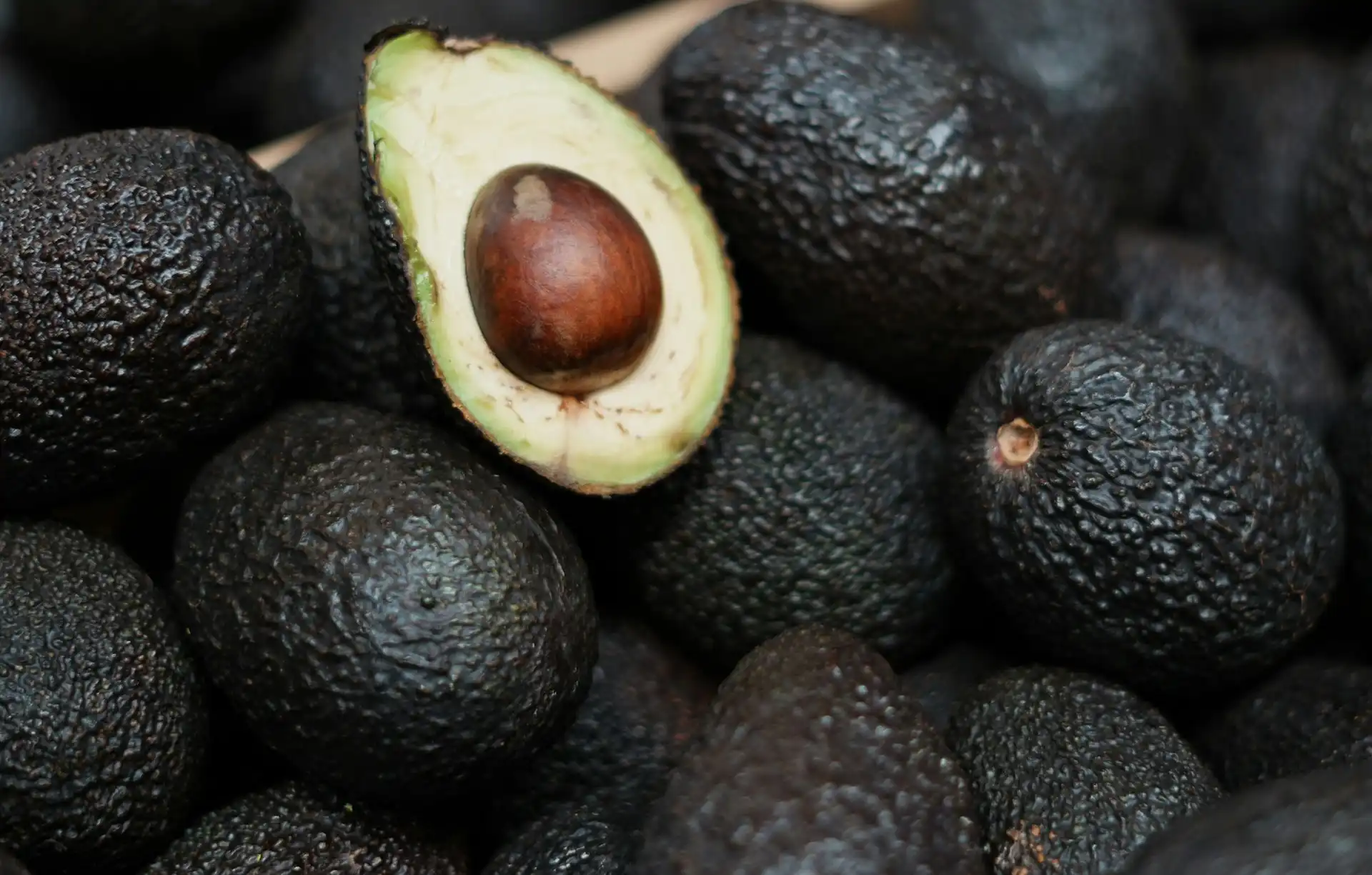
You’ve seen them everywhere. On toast. In smoothies. Mashed into guacamole. Sliced over salads. Avocados have become a cultural phenomenon, and for good reason.
But beyond the trendiness, there’s real science here. Avocados are one of the most nutrient‑dense fruits on the planet (yes, it’s a fruit). They’re packed with healthy fats, fiber, vitamins, and minerals that work together to improve your health from the inside out.
So what actually happens when you eat avocado every day? Does the hype match the reality?
This guide explores the full range of benefits of avocado, from heart health and weight management to glowing skin and sharper eyes.
You’ll learn exactly what makes this creamy fruit so special, how to choose and store them, and creative ways to eat more. Plus, we’ll cover avocado benefits for women and avocado benefits for men—because this fruit supports both in unique ways.
Part 1: What’s Actually in an Avocado? (The Nutrient Breakdown)
Before we talk about what avocados do, let’s look at what they contain. One medium avocado (about 200 grams) delivers an impressive nutrient profile.
Nutritional Snapshot (1 medium avocado):
|
Nutrient |
Amount |
% Daily Value |
|---|---|---|
|
Calories |
322 |
– |
|
Total Fat |
30 g |
– |
|
– Monounsaturated Fat |
20 g |
– |
|
– Polyunsaturated Fat |
4 g |
– |
|
– Saturated Fat |
4 g |
– |
|
Fiber |
14 g |
50% |
|
Protein |
4 g |
8% |
|
Vitamin K |
48 mcg |
53% |
|
Folate (Vitamin B9) |
163 mcg |
41% |
|
Vitamin C |
20 mg |
22% |
|
Vitamin B6 |
0.5 mg |
29% |
|
Potassium |
975 mg |
28% |
|
Vitamin E |
4 mg |
27% |
|
Magnesium |
58 mg |
14% |
What This Means: Avocados are low in sugar (only 1‑2 grams), high in fiber, and packed with heart‑healthy monounsaturated fats. They contain more potassium than a banana. And they provide fat‑soluble vitamins (K, E) that your body needs to absorb other nutrients.
Don’t fear the fat. The nutrients in avocado—especially the monounsaturated fats—help you absorb fat‑soluble vitamins from other vegetables.
Eating avocado with a salad increases your absorption of lycopene from tomatoes and beta‑carotene from carrots by up to 400%.
Part 2: What Happens When You Eat Avocado Every Day
Let’s walk through the real, measurable changes that occur when you make avocado a daily habit.
Week 1: You’ll Feel Fuller for Longer
The combination of fiber (14 grams per avocado) and healthy fat triggers satiety hormones. You’ll likely notice that meals containing avocado keep you satisfied for hours longer than meals without.
The Science: A 2013 study found that participants who ate half an avocado with lunch reported a 40% decreased desire to eat for three hours afterward . The fiber expands in your stomach, while fat slows gastric emptying.
Add half an avocado to your lunch every day. You’ll likely eat fewer afternoon snacks without even trying. This is a key mechanism behind avocado weight loss benefits.
Week 2: Your Digestion Becomes More Regular
Avocados are fiber superstars. One medium avocado provides half your daily fiber needs. Both soluble and insoluble fiber work together to keep things moving.
The Result: More regular bowel movements, less constipation, and a happier gut microbiome. The fiber also acts as a prebiotic, feeding beneficial bacteria in your colon.
If you’re new to high‑fiber foods, start with half an avocado daily. Suddenly eating a whole avocado could cause temporary gas or bloating while your gut adjusts.
Week 4: Your Cholesterol Profile Improves
This is one of the most well‑documented health benefits of avocado. The monounsaturated fats and plant sterols in avocados actively lower harmful cholesterol.
The Research: A 2015 study involving 45 overweight adults found that eating one avocado daily for five weeks significantly reduced LDL (bad) cholesterol compared to a control group . Triglycerides also dropped.
Related Post

Why It Works: Avocados contain beta‑sitosterol, a plant compound that competes with dietary cholesterol for absorption in your gut. Less cholesterol absorbed means lower blood levels.
Replace butter or cream cheese with mashed avocado on toast. You’ll cut saturated fat while adding fiber and potassium. Your heart will thank you.
Week 8: Your Skin Starts Glowing
Avocado benefits for skin are real and noticeable. The combination of healthy fats, vitamin E, and vitamin C works from the inside out.
The Result: People who eat avocado daily often report less dry skin, fewer fine lines, and a natural “glow” after 6‑8 weeks.
Eat avocado with a source of zinc (pumpkin seeds, chickpeas). Zinc and vitamin C work together to repair skin damage. Your skin will look brighter within a month.
Week 12: Your Eyes Are Protected
Avocados contain lutein and zeaxanthin—two carotenoids that concentrate in the macula of your eye. They act as natural sunglasses, filtering harmful blue light and reducing oxidative damage.

The Research: A 2017 study found that adults who ate one avocado daily for six months had significantly increased macular pigment density . Higher pigment density is linked to lower risk of age‑related macular degeneration.
Lutein and zeaxanthin are fat‑soluble, meaning you need fat to absorb them. Avocados provide both the nutrients and the fat to absorb them—perfectly packaged.
Long‑Term (6+ Months): Your Risk of Chronic Disease Drops
Consistent avocado consumption is associated with lower rates of metabolic syndrome—a cluster of conditions (high blood pressure, high blood sugar, excess belly fat, abnormal cholesterol) that increase heart disease and diabetes risk.
The Evidence: A 2018 analysis of data from over 29,000 adults found that avocado consumers had a 50% lower risk of metabolic syndrome compared to non‑consumers .
Think of avocado as a daily investment in your future health. One half per day is enough to see long‑term benefits without going overboard on calories.
Part 3: Avocado Benefits for Women
Women have unique nutritional needs, especially during different life stages. Avocados address several of them.
1. Supports Hormonal Balance
The healthy fats in avocados are essential for hormone production. Your body uses fat to synthesize estrogen, progesterone, and other hormones. Without enough dietary fat, hormone levels can become irregular.
Why This Matters: Many women on low‑fat diets experience worsened PMS symptoms, irregular cycles, and hormonal acne. Adding avocado provides the building blocks your hormones need.
2. Reduces PMS Symptoms
Avocados are rich in vitamin B6, which helps regulate mood swings and reduce bloating during the luteal phase (the week before your period). A 2019 review found that B6 significantly reduced PMS symptoms, including irritability, fatigue, and breast tenderness .
3. Supports Healthy Pregnancy
Folate (vitamin B9) is critical during pregnancy to prevent neural tube defects. One avocado provides about 40% of your daily folate needs. The healthy fats also support fetal brain development.
4. Maintains Bone Density in Perimenopause and Menopause
After menopause, declining estrogen accelerates bone loss. Avocados provide vitamin K, magnesium, and boron—all nutrients that support calcium absorption and bone formation. This is one of the lesser‑known avocado benefits for women that matters more with age.
If you’re perimenopausal, aim for half an avocado daily. The combination of healthy fats and vitamin K supports both hormone balance and bone density.
Part 4: Avocado Benefits for Men (Equally Important)
Men also benefit from daily avocado consumption in specific ways.
1. Supports Prostate Health
Avocados contain beta‑sitosterol, a plant sterol that has been shown to reduce symptoms of benign prostatic hyperplasia (enlarged prostate) . Some research also suggests beta‑sitosterol may help maintain healthy PSA levels.
2. Boosts Testosterone Naturally
Healthy monounsaturated fats are essential for testosterone production. Low‑fat diets can suppress testosterone levels. A 2018 study found that men who consumed more monounsaturated fats had higher testosterone levels .

3. Improves Sperm Quality
The folate and vitamin E in avocados support sperm health. Folate helps prevent sperm abnormalities, while vitamin E protects sperm membranes from oxidative damage. A 2020 study linked higher vitamin E intake to better sperm motility .
4. Supports Heart Health (Men Are at Higher Risk)
Men develop heart disease about 10 years earlier than women on average. The cholesterol‑lowering and blood pressure‑reducing benefits of avocado are particularly valuable for men in their 40s and 50s.
Men often avoid “diet foods” thinking they need meat and potatoes. Avocados are not a diet food—they’re a performance food. Half an avocado daily supports testosterone, heart health, and energy levels.
Part 5: Avocados and Weight Loss (What the Science Says)
There’s confusion about avocados and weight. Some people avoid them because of the calories and fat. Others embrace them as a weight loss tool.
The Truth: Avocados can support weight loss—but not if you eat them in unlimited quantities.
How Avocados Help With Weight Loss:
|
Mechanism |
How It Works |
|---|---|
|
Appetite control |
Fat + fiber = extended fullness, fewer calories later |
|
Blood sugar stability |
Low sugar and high fat prevent insulin spikes that trigger hunger |
|
Meal replacement |
Using avocado instead of higher‑calorie fats (butter, mayo) reduces overall calories |
|
Nutrient density |
You feel satisfied with fewer calories because you’re getting real nutrition |
The Research: A 2021 study found that people who ate one avocado daily for 12 weeks did not gain weight—despite adding 300 calories to their daily intake . They naturally compensated by eating less of other foods.
Practical Guidelines for Weight Loss:
If you’re tracking calories, weigh your avocado portions. An average avocado varies from 150g to 300g. Half of a large avocado is very different from half of a small one. A kitchen scale removes guesswork.
A digital kitchen scale helps you portion avocados accurately and track your intake.
Part 6: Avocado Benefits for Skin (Detailed)
Your skin is a reflection of your internal health. Avocados support it through multiple pathways.
1. Hydration From the Inside
The monounsaturated fats in avocados help maintain your skin’s lipid barrier. This barrier locks in moisture and keeps irritants out. People with dry skin often notice improvement within weeks.
2. Collagen Support
Vitamin C is essential for collagen production. Without enough vitamin C, collagen fibers become weak and disorganized, leading to sagging and wrinkles. Half an avocado provides about 10 mg of vitamin C (11% of daily needs).
Related Post

3. UV Protection (Mild)
The carotenoids lutein and zeaxanthin accumulate in your skin and act as a mild internal sunscreen. A 2017 study found that women who ate one avocado daily for 8 weeks had increased skin elasticity and firmness .
4. Wound Healing
Vitamin E, vitamin C, and zinc work together to repair damaged skin. This is why avocados are sometimes used in natural face masks.
Topical vs. Eating: Eating avocado is far more effective than applying it to your skin. Digestion breaks down nutrients into forms your body can use internally, delivering them to skin cells through your bloodstream.
Make a simple avocado face mask by mashing 1/4 avocado with a tablespoon of honey. Apply for 15 minutes, rinse. The enzymes in honey exfoliate while avocado moisturizes. But remember: eating avocado is what really transforms your skin.
Part 7: How to Choose, Store, and Ripen Avocados
Nothing is more frustrating than a rock‑hard avocado when you want guacamole, or a brown, mushy one when you’re ready to eat.
Choosing the Perfect Avocado:
|
Stage |
Feel |
Color |
Best For |
|---|---|---|---|
|
Unripe |
Very firm, no give |
Bright green |
Buying for later |
|
Almost ripe |
Slight give when pressed |
Darkening green |
Eating in 1‑2 days |
|
Perfectly ripe |
Gentle give, not mushy |
Dark purple/black (Hass) |
Eating today |
|
Overripe |
Mushy, indentation stays |
Very dark, may be brown inside |
Still OK for guacamole |
|
Bad |
Stringy, brown spots, sour smell |
Brown patches |
Discard |
The Stem Test: Pop off the small stem at the top. If it comes off easily and reveals green underneath, the avocado is perfect. If it’s brown underneath, the avocado is overripe.
How to Ripen Avocados Faster:
- Place in a paper bag with a banana or apple (ethylene gas speeds ripening)
- Keep at room temperature (never refrigerate unripe avocados)
- Check daily—they can go from perfect to overripe in hours
How to Store Cut Avocado:
How Long Cut Avocado Lasts: 1‑2 days in the fridge. After that, browning is inevitable, but brown avocado is still safe to eat (just less appetizing).
A vacuum sealer for food storage can keep cut avocados fresh for up to 5 days by removing oxygen.
For easy ripening and storage, an avocado keeper container fits half an avocado perfectly and slows browning.
Part 8: 10 Easy Ways to Eat More Avocado Every Day
You don’t need fancy recipes. These simple ideas work.
|
Method |
How To |
|---|---|
|
Avocado toast |
Mash on whole grain toast, sprinkle salt, pepper, red pepper flakes |
|
Smoothie thickener |
Blend 1/2 avocado with banana, spinach, milk. Creamy and undetectable. |
|
Salad topper |
Cube or slice over any salad. Replaces creamy dressing. |
|
Egg replacement |
1/4 cup mashed avocado = 1 egg in baking (for moisture, not rise) |
|
Sandwich spread |
Use instead of mayo or mustard. Adds creaminess. |
|
Guacamole |
Mash with lime, onion, tomato, cilantro, salt. Classic. |
|
Avocado “fries” |
Slice, dip in egg, coat in breadcrumbs, bake or air fry. |
|
Stuffed avocado |
Scoop out a little flesh, fill with tuna or chickpea salad. |
|
Chocolate pudding |
Blend with cocoa powder, milk, sweetener. Unbelievably good. |
|
Plain with spoon |
Sprinkle with salt and eat directly. Simple, delicious. |
The chocolate avocado pudding is a game‑changer. Blend 1 ripe avocado, 2 tablespoons cocoa powder, 3 tablespoons maple syrup, 1/4 cup milk, and 1 teaspoon vanilla. It’s creamy, rich, and packed with nutrients. No one guesses the secret ingredient.
A high‑speed blender makes avocado smoothies and chocolate pudding effortless.
Part 9: Potential Downsides (Honest and Balanced)
Avocados are incredibly healthy, but nothing is perfect for everyone.
1. They’re Calorie‑Dense
One medium avocado has about 320 calories. If you’re trying to lose weight, eating whole avocados on top of your regular meals could slow progress. Stick to half an avocado daily for weight loss.
2. Latex‑Fruit Syndrome
People with latex allergies may also react to avocados. Symptoms include itching, swelling, or hives after eating. If you have a known latex allergy, introduce avocado cautiously.
Related Post
3. Digestive Issues (Rare)
The high fiber content can cause gas or bloating if you’re not used to it. Start with 1/4 avocado and gradually increase.
4. Blood Thinner Interaction (Theoretical)
Avocados contain vitamin K, which plays a role in blood clotting. If you take warfarin (Coumadin), keep your vitamin K intake consistent. Don’t suddenly start or stop eating avocados without telling your doctor.
5. Cost
Avocados can be expensive, especially out of season. Buy on sale, or choose frozen avocado chunks (great for smoothies).
Frozen avocado chunks are often cheaper than fresh and perfectly ripe every time. Use them in smoothies or thaw for guacamole. You won’t notice the difference.
One Simple Food, Extraordinary Results
You don’t need exotic supplements or complicated protocols. Sometimes the most powerful health tools are the simplest.
Avocados are proof. One creamy fruit delivers heart‑healthy fats, massive fiber, essential vitamins, and protective antioxidants—all in a delicious, versatile package.
When you eat avocado every day, you’re not just enjoying a tasty food. You’re lowering your cholesterol. Stabilizing your blood sugar. Protecting your eyes. Nourishing your skin. Supporting your hormones. Feeding your gut bacteria.
The benefits of avocado are so broad that almost anyone can benefit from adding them to their diet. Start with half an avocado today. Put it on toast. Blend it into a smoothie. Mash it into guacamole. Eat it with a spoon.
Then do it again tomorrow.
Your body will thank you.