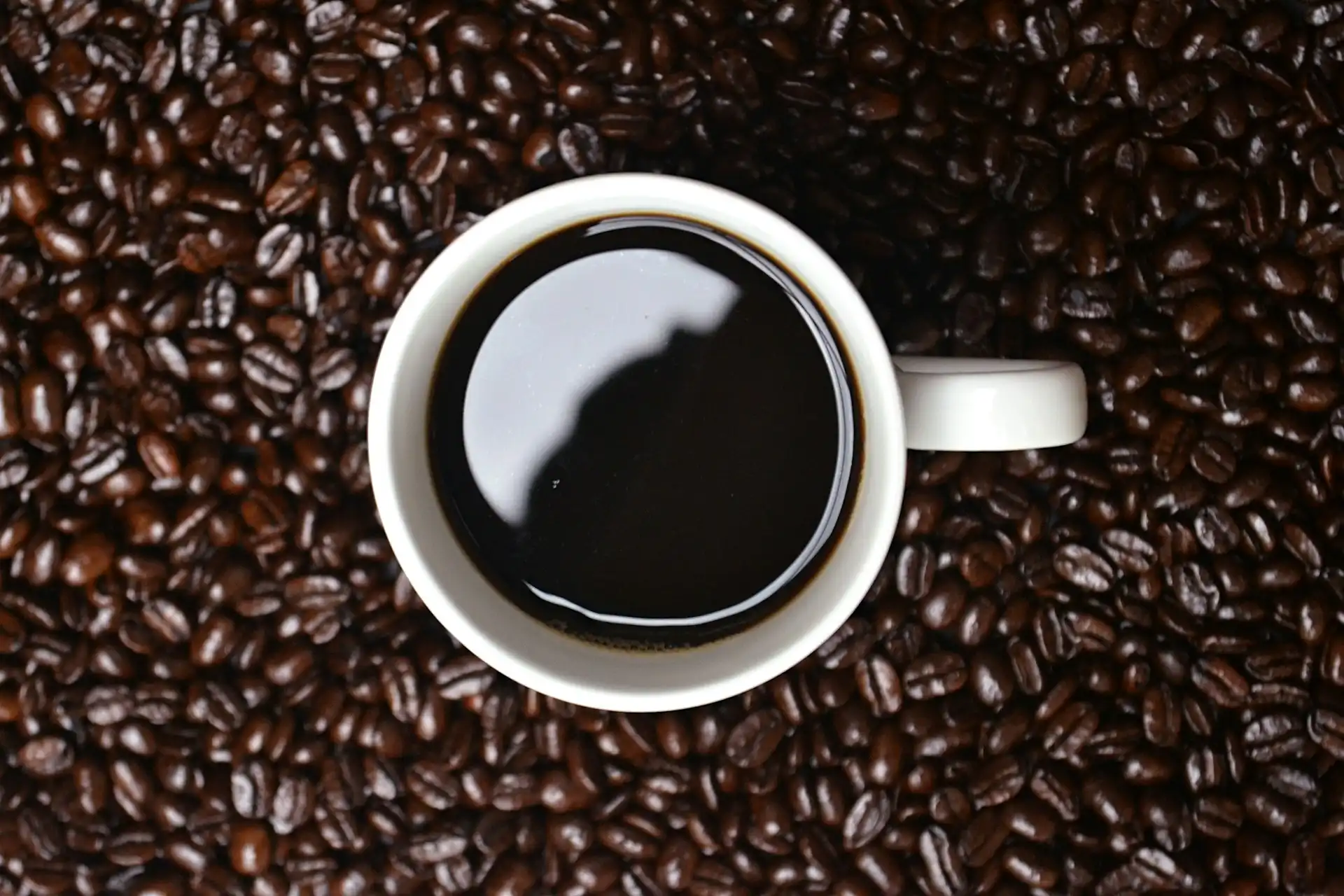
That morning cup of coffee. For many of us, it’s a non‑negotiable ritual—the first thing we reach for before our eyes are even fully open. But beyond the wake‑up call, there’s real science happening in that dark, bitter brew.
Here’s the truth: black coffee—no sugar, no cream, no flavored syrups—is one of the most researched beverages on the planet. Thousands of studies have examined its effects, and the consensus is clear: moderate coffee consumption is linked to a longer, healthier life.
But what exactly happens inside your body when you drink black coffee? And why is the “black” part so important?
This guide uncovers 11 science‑backed black coffee benefits, from fat burning and brain protection to liver health and disease prevention. You’ll learn why black coffee for weight loss is so effective, how to brew it for maximum benefit, and what the research really says about safety. Plus, we’ll cover health benefits of black coffee that most people don’t know about.
Grab your mug. Let’s dive in.
Part 1: What Is Black Coffee, Really?
Black coffee is simply coffee brewed with water, served without any additives. No milk, no cream, no sugar, no artificial sweeteners, no flavored syrups.
Why “Black” Matters:
|
Additive |
What It Does |
Why to Skip |
|---|---|---|
|
Sugar / honey |
Adds calories, spikes insulin |
Cancels many metabolic benefits |
|
Cream / milk |
Adds fat (saturated), calories |
Reduces antioxidant absorption? (mixed evidence) |
|
Flavored syrups |
Liquid sugar + artificial chemicals |
No nutritional value |
|
Artificial sweeteners |
Zero calories, but may disrupt gut bacteria |
Unclear long‑term effects |
When you drink coffee black, you get all the benefits without any of the downsides. A plain black coffee has about 2‑5 calories per cup. Add cream and sugar, and that same cup jumps to 50‑100 calories or more—calories you drink without realizing.
If black coffee tastes too bitter, you’re probably brewing it wrong or using low‑quality beans. Freshly ground, medium‑roast coffee brewed at the right temperature is naturally sweet and complex. No sugar needed.
Part 2: The 11 Science‑Backed Black Coffee Benefits
Let’s explore what happens when you drink black coffee daily.
Benefit #1: Boosts Mental Alertness and Focus
This is the most obvious benefit, but the science behind it is fascinating.
How It Works: Caffeine blocks adenosine, a neurotransmitter that makes you feel tired. By occupying adenosine receptors in your brain, caffeine prevents the “brakes” from engaging, leaving you more alert and focused.
The Research: A 2014 review found that caffeine improved reaction time, vigilance, and memory in doses of 40‑300 mg (about 1‑3 cups of coffee). The effects begin within 15‑45 minutes and last for several hours.
Practical Upside: Black coffee before work, studying, or driving improves performance without the sugar crash that comes from energy drinks or sweetened coffee drinks.
Wait 60‑90 minutes after waking before your first coffee. Your body naturally produces cortisol (alertness hormone) in the morning. Drinking coffee immediately blunts your natural wake‑up response and can lead to tolerance.
Benefit #2: Enhances Fat Burning and Metabolism (Black Coffee for Weight Loss)
This is one of the most researched black coffee for weight loss mechanisms.
How It Works: Caffeine stimulates your nervous system, which sends signals to fat cells to break down stored fat. It also increases epinephrine (adrenaline), which prepares your body for physical exertion.

The Numbers: A 2019 meta‑analysis found that caffeine increased metabolic rate by 7‑11% for up to 3 hours after consumption. That means a person burning 1,800 calories at rest would burn an extra 125‑200 calories just by drinking coffee.
Pre‑Workout Power: Drinking black coffee 30‑60 minutes before exercise increases fat oxidation during the workout, meaning you burn more fat for fuel.
Drink a cup of black coffee 30 minutes before your morning walk or workout. You’ll burn more fat during the session, and the caffeine will make the exercise feel easier (perceived exertion drops).
Practical Upside: Black coffee is calorie‑free and enhances the calorie‑burning effects of exercise. This is a key reason advantage of drinking black coffee for weight management is so powerful.
Benefit #3: Packed with Antioxidants (More Than Most Fruits)
Here’s a surprise: for the average person, coffee is the single largest source of antioxidants in the diet.
What Antioxidants Do: They neutralize free radicals—unstable molecules that damage cells, accelerate aging, and contribute to chronic diseases.
The Numbers: A 2005 study found that coffee contains more antioxidants than cocoa, green tea, and most berries on a per‑serving basis. Chlorogenic acid is the main antioxidant in coffee, responsible for many of its health benefits of black coffee.
Practical Upside: Every cup of black coffee delivers a concentrated dose of polyphenols that protect your cells throughout the day.
Benefit #4: Protects Your Brain from Cognitive Decline
Coffee isn’t just for today’s focus—it may protect your brain for decades to come.
The Research: A 2016 meta‑analysis of 11 studies found that coffee drinkers had a 30% lower risk of developing Alzheimer’s disease and a 32% lower risk of Parkinson’s disease compared to non‑drinkers.

How It Works: The combination of caffeine and antioxidants reduces chronic inflammation in the brain, protects dopamine‑producing neurons (Parkinson’s), and inhibits the formation of amyloid plaques (Alzheimer’s).
Practical Upside: A daily coffee habit is one of the simplest lifestyle interventions for long‑term brain health.
For brain protection, consistency matters more than quantity. 1‑2 cups daily, over years, provides cumulative benefits. You don’t need to drink a pot.
Benefit #5: Supports Liver Health
Your liver performs over 500 functions, including filtering toxins, producing bile, and regulating metabolism. Coffee is remarkably protective.
The Research: A 2017 review of 16 studies found that coffee consumption was associated with a 40% lower risk of liver cancer and a 28‑44% lower risk of chronic liver disease.
How It Works: Coffee reduces liver enzyme levels (a marker of inflammation and damage), slows the progression of fibrosis (scarring), and may even reverse some liver damage in early stages.
Both caffeinated and decaf coffee show liver benefits, meaning the antioxidants (not just caffeine) are doing the work. If you’re sensitive to caffeine, decaf still helps your liver.
Practical Upside: People with existing liver conditions (hepatitis, fatty liver disease) are often advised to drink coffee—it’s one of the few dietary interventions with strong evidence.
Benefit #6: Lowers Risk of Type 2 Diabetes
Type 2 diabetes affects over 400 million people worldwide. Coffee drinkers have significantly lower risk.
The Research: A 2014 meta‑analysis of 28 studies involving over 1 million participants found that each additional cup of coffee per day reduced diabetes risk by 7‑9%. Those drinking 3‑4 cups daily had a 25% lower risk than non‑drinkers.
How It Works: Coffee improves insulin sensitivity, reduces chronic inflammation, and preserves the function of pancreatic beta cells (which produce insulin).
Related Post
Practical Upside: This benefit is seen with both caffeinated and decaf coffee, again pointing to the antioxidants.
Don’t add sugar to your coffee if you’re concerned about diabetes. Even one teaspoon of sugar per cup adds up—and sugar directly opposes coffee’s insulin‑sensitizing effects.
Benefit #7: Reduces Risk of Heart Disease and Stroke
Heart disease is the leading cause of death globally. Moderate coffee consumption is associated with lower risk.
The Research: A 2018 review of 36 studies found that moderate coffee consumption (2‑4 cups daily) was associated with a 15% lower risk of cardiovascular disease and an 18% lower risk of stroke.
The Nuance: Coffee temporarily raises blood pressure by 5‑10 mmHg for about 30‑60 minutes after drinking. However, long‑term studies show that habitual coffee drinkers do not develop chronic hypertension—their bodies adapt.
If you have uncontrolled high blood pressure, wait 30 minutes after drinking coffee before measuring your BP. And never add cream or sugar—saturated fat and sugar harm heart health far more than caffeine.
Practical Upside: The protective effects on blood vessels and inflammation outweigh the temporary blood pressure spike.
Benefit #8: Fights Depression and Improves Mood
Coffee doesn’t just wake you up—it can lift your spirits.
The Research: A 2016 meta‑analysis of 15 studies found that each cup of coffee per day was associated with an 8% lower risk of depression. Those drinking 3‑4 cups daily had the lowest risk.

How It Works: Caffeine increases dopamine and serotonin production—neurotransmitters that regulate mood. The antioxidants also reduce brain inflammation, which is linked to depression.
The mood benefits appear strongest in the morning. Drinking coffee late in the day may disrupt sleep, which worsens mood. Keep your coffee before 2 PM.
Practical Upside: For people with mild to moderate depression, coffee can be a helpful adjunct to other treatments. (Always consult a doctor for clinical depression.)
Benefit #9: Reduces Risk of Certain Cancers
Cancer is complex, but coffee consumption is consistently linked to lower rates of several types.
The Research:
How It Works: The antioxidants in coffee protect DNA from damage, reduce inflammation, and may induce apoptosis (programmed cell death) in abnormal cells.
Practical Upside: The American Institute for Cancer Research states that coffee “probably” reduces risk of liver and endometrial cancers.
Benefit #10: Improves Physical Performance
Elite athletes have known this for decades. Coffee is a legal, natural performance enhancer.
The Research: A 2018 review found that caffeine improved endurance performance by 2‑6%, strength by 3‑5%, and power output by 5‑8%.
How It Works: Caffeine blocks pain perception (you can push harder), increases fat oxidation (spares muscle glycogen), and improves neuromuscular function (better muscle recruitment).
Practical Upside: A cup of black coffee 30‑60 minutes before a workout is as effective as many commercial pre‑workout supplements—without the artificial ingredients.
For morning workouts, drink coffee 45 minutes before training. For afternoon workouts, coffee still helps, but be aware of your total daily caffeine intake.
A coffee thermos with a built‑in grinder lets you brew fresh coffee right before your workout.
Benefit #11: Helps You Live Longer
This is the bottom line: coffee drinkers live longer.
The Research: A 2017 study of over 500,000 people across 10 European countries found that higher coffee consumption was associated with lower risk of death from all causes over 16 years of follow‑up. A separate study of 185,000 people found that coffee drinkers were 12% less likely to die early than non‑drinkers.
How It Works: Coffee reduces risk of the top killers—heart disease, stroke, diabetes, liver disease, and certain cancers. The cumulative effect is a longer, healthier life.
The longevity benefits are seen with 1‑5 cups daily. More than 5 cups may increase anxiety, sleep disruption, and digestive issues. Find your sweet spot.
Practical Upside: A daily coffee habit is one of the few lifestyle factors with such broad, consistent evidence.
Part 3: The Best Black Coffee for Weight Loss and Health
Not all coffee is equal. Here’s how to choose.
1. Choose Quality Beans
Freshly roasted, single‑origin beans have higher antioxidant levels and better flavor. Stale, pre‑ground coffee loses antioxidants over time.
2. Grind Just Before Brewing
Once ground, coffee begins oxidizing immediately. A burr grinder produces consistent particles and preserves flavor.
Related Post
3. Brew with Filtered Water
Tap water chemicals (chlorine, minerals) affect extraction. Filtered water produces cleaner, better‑tasting coffee.
4. Use Paper Filters
Paper filters remove cafestol, a compound that raises LDL cholesterol. French press and metal filters let cafestol through.
5. Light to Medium Roast
Darker roasts lose chlorogenic acid. For maximum health benefits of black coffee, choose light or medium roasts.
The perfect brewing temperature is 195‑205°F (90‑96°C). Too hot extracts bitter compounds. Too cold extracts sour, weak coffee. An electric kettle with temperature control solves this.
An electric gooseneck kettle with temperature control gives you precise control for perfect extraction.
Part 4: How Much Black Coffee Is Safe?
Moderation is key.
General Guidelines:
|
Daily Cups |
Risk Profile |
|---|---|
|
1‑2 cups |
Lowest risk, ideal for most |
|
3‑4 cups |
Still beneficial, may cause jitters in sensitive people |
|
5‑6 cups |
Increasing risk of anxiety, sleep disruption, digestive issues |
|
7+ cups |
Associated with higher risk of headaches, acid reflux, palpitations |
Caffeine Sensitivity: Genetics (CYP1A2 gene) determine how quickly you metabolize caffeine. Slow metabolizers experience more jitters and sleep disruption. Listen to your body.
Pregnancy: Limit to 1‑2 cups daily (200mg caffeine maximum). High caffeine intake is linked to miscarriage risk.
Part 5: Potential Downsides (Honest and Balanced)
Coffee is safe for most people, but it’s not for everyone.
1. Sleep Disruption
Caffeine has a half‑life of 5‑6 hours. That means after 5 hours, half the caffeine is still in your system. Avoid coffee after 2‑3 PM if you struggle with sleep.
2. Anxiety and Jitters
High doses (over 400mg, about 4 cups) can cause nervousness, rapid heartbeat, and panic attacks in sensitive individuals.

3. Digestive Issues
Coffee stimulates stomach acid production. People with GERD, ulcers, or IBS may experience worsening symptoms.
4. Addiction and Withdrawal
Regular coffee drinkers develop tolerance. Stopping abruptly causes headaches, fatigue, irritability, and brain fog for 2‑9 days.
5. Increased Heart Rate (Tachycardia)
Some people experience racing heart even at moderate doses. If this happens, reduce intake or switch to decaf.
If you want to reduce your coffee intake, taper slowly over 2‑3 weeks. Replace one cup with half‑caff, then decaf, then herbal tea. Cold turkey leads to miserable withdrawal headaches.
Part 6: How to Transition to Black Coffee (If You Hate It)
Many people dislike black coffee because they’re used to sweet, creamy drinks. Here’s how to switch.
Week 1: Reduce sugar by half. Use less cream.
Week 2: Eliminate sugar entirely. Use half the cream.
Week 3: Eliminate cream. You’re now drinking black coffee.
Week 4: Your taste buds have adjusted. Black coffee now tastes naturally sweet.
The Science: Your palate adapts to reduced sugar in about 2‑3 weeks. After that, sugary coffee will taste cloying and artificial.
Related Post

A cold brew coffee maker produces smooth, low‑acid black coffee that’s perfect for beginners.
Your Daily Cup, Working for You
Black coffee is more than a morning ritual. It’s a scientifically validated health intervention.
When you drink black coffee daily, you’re:
- Boosting mental focus and physical performance
- Burning more fat and supporting weight management
- Flooding your body with antioxidants
- Protecting your brain from decline
- Supporting liver and heart health
- Lowering your risk of diabetes, cancer, and early death
The black coffee benefits are so broad that few other single foods or beverages can match them. And the best part? It’s affordable, accessible, and delicious once you learn to appreciate it without additives.
Start with one cup today. Brew it well. Drink it slowly. Notice how you feel—alert, energized, and satisfied.
Your body has been waiting for this.