You’ve probably heard that green tea is “good for you.” Maybe you’ve even swapped your morning coffee for a cup, hoping for some of those magical health benefits everyone talks about.
But here’s the thing: green tea isn’t just another health trend. It’s one of the most researched beverages on the planet, with thousands of studies confirming its remarkable effects on everything from your skin to your brain to your waistline.
The secret lies in its unique composition. Unlike black tea (which is fermented) or herbal teas (which aren’t true tea), green tea comes from the Camellia sinensis plant and undergoes minimal processing. This preserves powerful compounds called catechins—especially epigallocatechin gallate (EGCG)—that deliver most of the green tea benefits you’re about to discover.
This guide explores five transformative ways green tea can improve your skin, health, and energy. Whether you’re looking for the best tea for weight loss, clearer skin, or long-term disease prevention, you’ll find evidence-based answers here.
Before We Begin: What Makes Green Tea So Special?
Understanding why green tea works helps you use it more effectively.
The Key Active Compounds:
|
Compound |
What It Does |
|---|---|
|
EGCG (Epigallocatechin Gallate) |
Most potent catechin; antioxidant, anti-inflammatory, metabolism-boosting |
|
Other Catechins |
Support heart health, reduce oxidative stress |
|
Caffeine |
Enhances focus, boosts metabolism, improves fat oxidation |
|
L-Theanine |
Amino acid that promotes calm focus; balances caffeine’s jitters |
|
Polyphenols |
Plant compounds with antioxidant and anti-aging effects |
Together, these compounds create a synergistic effect that no single ingredient can replicate. The caffeine and L-theanine combination, for example, produces alert calmness—focus without anxiety. The catechins work throughout your body reducing inflammation and fighting oxidative damage.
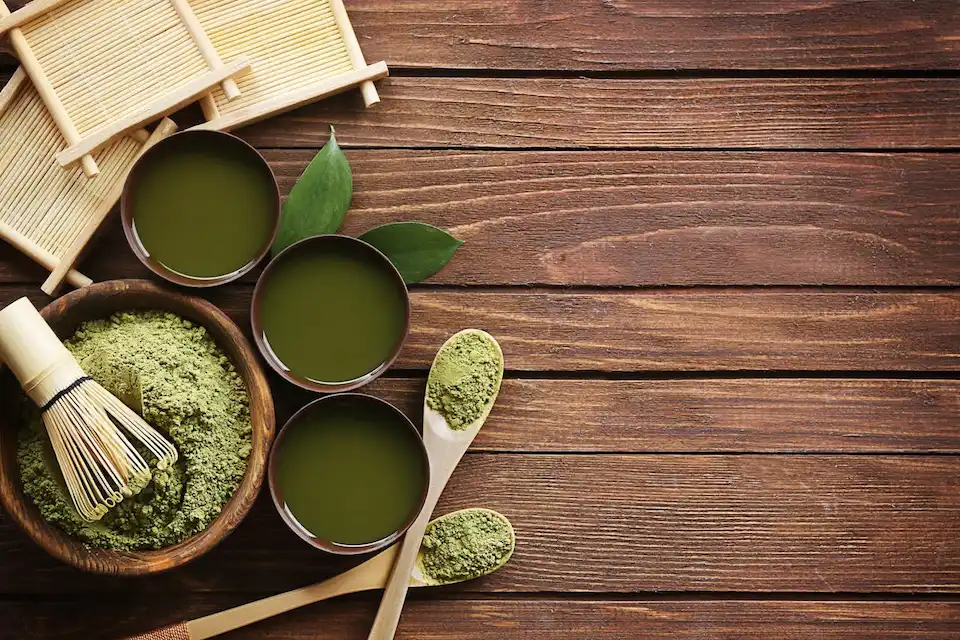
Matcha green tea contains the entire ground tea leaf, delivering up to 10 times the antioxidants of brewed green tea. If you want maximum benefits, matcha is your powerhouse.
Benefit #1: Green Tea Transforms Your Skin (From the Inside Out)
Let’s start with what you see in the mirror every day.
How Green Tea Benefits Your Skin:
1. Fights Acne and Breakouts
Green tea’s catechins are powerful antimicrobial and anti-inflammatory agents. Research shows they can reduce sebum production (the oily substance that clogs pores) and inhibit the growth of acne-causing bacteria.
A 2016 study found that applying green tea extract topically significantly reduced acne lesions. But drinking it works too—the compounds circulate through your bloodstream and reach skin cells systemically.
For acne-prone skin, refrigerate brewed green tea and apply with a cotton ball as a nightly toner. The cold reduces inflammation, and the catechins fight bacteria.
2. Slows Skin Aging
Free radicals from sun exposure, pollution, and stress damage skin cells, causing wrinkles and fine lines. Green tea’s antioxidants neutralize these free radicals before they can cause harm.
A 2018 review concluded that green tea polyphenols protect against UV-induced skin damage and may even reverse some signs of photoaging. The EGCG in green tea also boosts collagen production, keeping skin plump and elastic.
3. Reduces Inflammation and Redness
Whether from acne, rosacea, or environmental irritation, inflamed skin looks red and feels uncomfortable. Green tea’s anti-inflammatory properties calm this response.
4. Protects Against Sun Damage (But Not a Replacement for Sunscreen)
While green tea won’t block UV rays like sunscreen, research shows it increases your skin’s resistance to sun damage. A 2010 study found that drinking green tea daily reduced UV-induced redness and DNA damage.
5. Improves Skin Elasticity and Hydration
The combination of antioxidants and anti-inflammatory compounds supports healthy skin cell turnover and maintains moisture barriers.
How to Use Green Tea for Skin:
Drink It:
- 2-3 cups daily for systemic benefits
- Matcha offers concentrated effects
Apply It Topically:
- Brew strong green tea, cool, and use as a facial toner
- Mix matcha powder with honey for a DIY mask
- Look for skincare products containing green tea extract
Benefit #2: Green Tea Boosts Weight Loss and Fat Burning
If you’re searching for the best green tea for weight loss, you’re not alone. This is one of the most studied areas of green tea research.
The Science of Green Tea and Weight Loss:
1. Increases Metabolism (Thermogenesis)
Green tea’s catechins, particularly EGCG, increase thermogenesis—your body’s rate of burning calories for heat. A study published in the American Journal of Clinical Nutrition found that green tea extract increased 24-hour energy expenditure by 4-5%.
That might not sound dramatic, but over time, a 4-5% boost in daily calorie burn adds up.
2. Enhances Fat Oxidation
Green tea helps your body use stored fat for energy, especially during exercise. Research shows that consuming green tea before workouts increases fat burning during physical activity.
Related Post

A 2016 meta-analysis concluded that green tea catechins combined with caffeine significantly increased fat oxidation and reduced body fat percentage.
3. Targets Belly Fat Specifically
Visceral fat—the dangerous fat around your organs—is particularly responsive to green tea. A 12-week study in The Journal of Nutrition found that subjects drinking green tea enriched with catechins lost significantly more visceral fat than the control group.
4. Improves Insulin Sensitivity
Better insulin sensitivity means your body handles carbohydrates more efficiently, storing less as fat and using more for energy. Green tea improves insulin sensitivity, particularly when combined with exercise.
5. Reduces Appetite (Indirectly)
The combination of caffeine and L-theanine provides steady energy without crashes, which helps stabilize blood sugar and reduce cravings for sugary snacks.
The Best Green Tea for Weight Loss:
|
Type |
Caffeine |
EGCG |
Best For |
|---|---|---|---|
|
Matcha |
High |
Very High |
Maximum potency, pre-workout |
|
Sencha |
Moderate |
High |
Daily drinking, balanced benefits |
|
Gyokuro |
High |
High |
Luxury option, rich flavor |
|
Bancha |
Low |
Moderate |
Evening, caffeine-sensitive |
|
Decaf |
Very Low |
Reduced |
Those avoiding caffeine |
The Protocol for Weight Loss:
- Drink 2-4 cups daily spread throughout the day
- Have a cup 30-60 minutes before exercise to maximize fat burning
- Choose matcha for pre-workout (concentrated EGCG + caffeine)
- Avoid adding sugar or honey (calories counteract benefits)
- Combine with exercise for synergistic effects
For weight loss, timing matters. A cup before your workout increases fat oxidation during exercise. A cup between meals stabilizes blood sugar and reduces cravings. Use both strategies.
Benefit #3: Green Tea Protects Your Heart and Brain
The benefits of green tea extend far beyond appearance and weight. Your internal organs—particularly your heart and brain—receive remarkable protection.
Cardiovascular Benefits:
1. Lowers LDL (Bad) Cholesterol
A 2020 meta-analysis of 31 randomized controlled trials found that green tea consumption significantly reduced total cholesterol and LDL cholesterol without affecting HDL (good) cholesterol.
The catechins in green tea reduce cholesterol absorption in the gut and increase its excretion.
2. Reduces Blood Pressure
Green tea helps relax blood vessels, improving blood flow and reducing pressure. A review of 13 studies found that regular green tea consumption reduced systolic blood pressure by an average of 2-3 mmHg.
3. Improves Artery Function
Endothelial function—how well your arteries dilate and contract—predicts cardiovascular health. Green tea improves endothelial function within hours of consumption.
4. Reduces Risk of Heart Disease and Stroke
Population studies consistently show that people who drink green tea regularly have lower rates of heart disease and stroke. A Japanese study of over 40,000 adults found that those drinking 5+ cups daily had a 26% lower risk of death from cardiovascular disease.
Brain Benefits:
1. Enhances Cognitive Function
The caffeine-L-theanine combination in green tea improves attention, reaction time, and memory. Unlike coffee’s jittery focus, green tea provides calm alertness.
2. Protects Against Neurodegenerative Diseases
The antioxidants in green tea cross the blood-brain barrier and protect neurons from damage. Research suggests regular green tea consumption may reduce risk of Parkinson’s and Alzheimer’s diseases.
A 2015 study found that green tea catechins inhibited the formation of amyloid-beta plaques—the protein clumps characteristic of Alzheimer’s.
3. Reduces Anxiety and Promotes Relaxation
L-theanine increases GABA, serotonin, and dopamine—neurotransmitters that promote relaxation without sedation. This is why green tea drinkers often report feeling “calmly focused.”

4. Supports Brain Recovery After Injury
Animal studies suggest green tea may help the brain recover after stroke or trauma, though human research is still emerging.
If you’re sensitive to caffeine but want green tea’s brain benefits, try gyokuro or high-grade sencha. They have higher L-theanine relative to caffeine, providing calm focus without jitters.
Benefit #4: Green Tea Fights Inflammation and Oxidative Stress
Chronic inflammation and oxidative stress are underlying factors in nearly every modern disease—from arthritis to diabetes to cancer. Green tea is one of nature’s most powerful anti-inflammatory weapons.
How Green Tea Reduces Inflammation:
1. Neutralizes Free Radicals
Free radicals are unstable molecules that damage cells, DNA, and tissues. Green tea’s polyphenols, especially EGCG, are potent antioxidants that donate electrons to neutralize free radicals before they cause harm.
The ORAC (Oxygen Radical Absorbance Capacity) score—a measure of antioxidant power—places green tea among the highest-scoring foods.
2. Inhibits Inflammatory Pathways
EGCG blocks the production of pro-inflammatory molecules like TNF-α and IL-6. This systemic anti-inflammatory effect explains why green tea helps with conditions ranging from arthritis to inflammatory bowel disease.
3. Protects Joints and Reduces Arthritis Symptoms
A 2018 study found that green tea extract reduced inflammation and cartilage damage in arthritis models. Human studies suggest regular green tea drinkers report less joint pain and stiffness.
4. Supports Gut Health
Green tea’s polyphenols act as prebiotics, feeding beneficial gut bacteria. A healthy gut microbiome reduces systemic inflammation and improves overall health.
Related Post
5. May Reduce Cancer Risk (The Most Studied Area)
This is controversial, so let’s be precise.
Thousands of studies have examined green tea and cancer. The evidence suggests:
- Population studies: People who drink green tea regularly have lower rates of certain cancers (breast, prostate, colorectal)
- Mechanism studies: EGCG inhibits cancer cell growth and promotes apoptosis (programmed cell death) in lab studies
- Human trials: Mixed results; some show protection, others show no effect
The American Institute for Cancer Research states that green tea “probably” reduces risk of prostate and endometrial cancers. It’s not a cure or guaranteed prevention, but it’s a reasonable addition to a cancer-protective lifestyle.
For maximum anti-inflammatory benefits, drink green tea between meals. Food can bind to catechins and reduce absorption. A cup 30 minutes before or 60 minutes after eating optimizes uptake.
Benefit #5: Green Tea Supports Digestion and Detoxification
Your body has its own detoxification systems—your liver, kidneys, and digestive tract. Green tea supports these natural processes.
Digestive Benefits:
1. Soothes the Stomach
Green tea’s anti-inflammatory properties extend to the digestive tract. It may help reduce symptoms of inflammatory bowel conditions like Crohn’s and ulcerative colitis.
2. Supports Healthy Gut Bacteria
Green tea polyphenols act as prebiotics, feeding beneficial bacteria like Bifidobacterium and Lactobacillus. A healthy microbiome improves digestion, immunity, and even mood.
3. Reduces Bloating and Gas
The combination of anti-inflammatory compounds and mild diuretic effects can reduce water retention and digestive discomfort.
4. May Help Prevent Ulcers
Research suggests green tea catechins inhibit the growth of H. pylori, the bacteria responsible for most stomach ulcers.
Detoxification Benefits:
1. Supports Liver Function
Your liver is your primary detoxification organ. Green tea antioxidants protect liver cells from damage and may improve liver enzyme levels.
A 2017 study found that green tea extract reduced liver fat in people with non-alcoholic fatty liver disease.
2. Enhances Glutathione Production
Glutathione is your body’s master antioxidant, essential for detoxification. Green tea compounds support glutathione production and recycling.
3. Promotes Gentle Diuresis
Green tea’s mild diuretic effect helps flush excess fluids and waste products through the kidneys—without the harsh effects of caffeine-only diuretics.
4. Binds to Heavy Metals
Some research suggests green tea catechins can bind to heavy metals in the digestive tract, reducing absorption. This may help protect against environmental toxin exposure.
How to Choose and Prepare Green Tea for Maximum Benefits
Not all green tea is created equal. How you choose, store, and prepare it dramatically affects the green tea benefits you receive.
Choosing Your Green Tea:
|
Type |
Characteristics |
Best Use |
|---|---|---|
|
Matcha |
Powdered whole leaf; highest antioxidants |
Pre-workout, maximum potency |
|
Sencha |
Standard Japanese; balanced flavor |
Daily drinking |
|
Gyokuro |
Shade-grown; sweet, rich |
Special occasions, caffeine-sensitive |
|
Bancha |
Late harvest; mild, lower caffeine |
Evening, sensitive stomachs |
|
Gunpowder |
Rolled leaves; strong, smoky |
Bold flavor lovers |
|
Jasmine |
Scented with jasmine flowers |
Aromatic pleasure |
Brewing for Maximum Benefits:
Water Temperature:
- Ideal: 160-180°F (70-80°C)
- Too hot: Boiling water destroys catechins and creates bitterness
- No thermometer? Let boiling water cool 2-3 minutes before pouring
Steeping Time:
- Standard: 2-3 minutes
- Too short: Under-extracted, fewer benefits
- Too long: Bitter, over-extracted (but still beneficial)
Leaf to Water Ratio:
- Loose leaf: 1 teaspoon per 8 oz cup
- Tea bags: 1 bag per cup (quality varies widely)
- Matcha: 1/2 to 1 teaspoon per cup, whisked
Storage:
- Keep in airtight container
- Away from light, heat, and moisture
- Use within 6-12 months for peak freshness
- Refrigerate for long-term storage (in sealed container)
Add a squeeze of lemon. Vitamin C stabilizes catechins and may increase absorption. Some research suggests adding citrus can boost antioxidant uptake by up to five times.
How Much Green Tea Should You Drink?
The optimal dose depends on your goals and caffeine tolerance.
General Health:
- Minimum: 1-2 cups daily
- Optimal: 3-4 cups daily
Weight Loss:
- Minimum: 2-3 cups daily
- Optimal: 4-5 cups daily (spread throughout day)
Therapeutic Effects (Skin, Inflammation):
- Minimum: 2 cups daily
- Optimal: 3-4 cups daily + matcha
Caffeine Content Comparison:
|
Beverage |
Caffeine (per 8 oz) |
|---|---|
|
Coffee |
95-165 mg |
|
Black Tea |
25-48 mg |
|
Green Tea |
25-35 mg |
|
Matcha |
35-70 mg |
|
Decaf Green Tea |
2-5 mg |
Caffeine Sensitivity Considerations:
- Low sensitivity: 4-5 cups daily fine
- Moderate sensitivity: 2-3 cups, avoid late afternoon
- High sensitivity: Choose bancha or decaf; try matcha in smaller amounts
If you’re sensitive to caffeine but want green tea benefits, try this: steep your tea for 30 seconds, discard the water, then resteep. The first steep removes most caffeine while retaining catechins.
Potential Side Effects and Precautions
Green tea is remarkably safe, but nothing is risk-free for everyone.
Common Side Effects (Usually from Excess):
- Caffeine-related: Insomnia, jitters, anxiety, rapid heart rate
- Digestive: Stomach upset, constipation (tannins can bind)
- Iron absorption: Tannins may reduce non-heme iron absorption (drink between meals)

Rare but Serious Concerns:
- Liver toxicity: Extremely rare, associated with high-dose concentrated extracts (not brewed tea)
- Pregnancy: Limit to 2 cups daily (caffeine)
- Blood thinners: High doses may interact with warfarin (consult doctor)
Who Should Be Cautious:
- Those with severe caffeine sensitivity
- People with iron deficiency anemia (drink between meals)
- Those on blood-thinning medication
- Pregnant women (limit caffeine)
Green Tea vs Other Teas
|
Tea Type |
Oxidation |
Caffeine |
EGCG |
Best For |
|---|---|---|---|---|
|
Green Tea |
None |
Moderate |
Very High |
Antioxidants, weight loss, skin |
|
Matcha |
None |
High |
Highest |
Maximum potency |
|
Black Tea |
Full |
High |
Low |
Heart health, energy |
|
Oolong Tea |
Partial |
Moderate |
Moderate |
Digestion, weight |
|
White Tea |
Minimal |
Low |
Moderate |
Delicate flavor, skin |
|
Herbal Tea |
N/A |
None |
None |
Variety, caffeine-free |
The Bottom Line: For green tea benefits specifically, green tea (especially matcha) outperforms other teas. Black tea still offers health benefits, but its fermentation reduces catechins. Herbal teas are caffeine-free but lack green tea’s unique compounds.
Green Tea as a Detox Drink: Green tea deserves its reputation as an excellent detox drink—not because it magically “flushes toxins,” but because it supports your body’s natural detoxification systems.
Related Post

How It Supports Detox:
A Simple 7-Day Green Tea Detox:
|
Day |
Morning |
Afternoon |
Evening |
|---|---|---|---|
|
1 |
Green tea |
Green tea |
Herbal tea |
|
2 |
Matcha |
Green tea |
Herbal tea |
|
3 |
Green tea |
Green tea |
Green tea (decaf) |
|
4 |
Matcha |
Green tea |
Herbal tea |
|
5 |
Green tea |
Green tea |
Green tea (decaf) |
|
6 |
Matcha |
Green tea |
Herbal tea |
|
7 |
Green tea |
Green tea |
Herbal tea |
Add water: Drink plenty of water throughout the day
Eat clean: Focus on whole foods, vegetables, lean protein
Move: Light exercise enhances circulation and detoxification
A true detox isn’t about harsh cleanses—it’s about supporting your body’s natural systems. Green tea does this gently and effectively, without the misery of juice fasts.
Frequently Asked Questions
The science is clear: green tea is one of the most beneficial beverages you can consume.
From transforming your skin through antioxidant protection to boosting weight loss through thermogenesis, from protecting your heart to calming your brain, the green tea benefits are remarkably broad and well-documented.
The best part? It’s simple. Affordable. Accessible. You don’t need expensive supplements or complicated protocols. Just quality tea, brewed properly, consumed consistently.
Start with one cup today. Tomorrow, make it two. Experiment with matcha. Try it before workouts. Use it as a gentle afternoon pick-me-up instead of coffee.
Your skin will thank you. Your metabolism will thank you. Your heart and brain will thank you.
And in a world of complicated health advice, there’s something beautiful about a simple cup of tea that actually delivers.