Most people think progress happens in the gym. I used to think that too. Push harder. Lift heavier. Do more.
Then one brutal leg day left me barely able to walk for two days straight. That’s when it hit me: the workout is only the spark—recovery is where the real transformation happens.
You don’t get stronger while you’re training. You get stronger while your body repairs, adapts, and rebuilds. Once I stopped treating recovery as an afterthought and started treating it as strategy, everything changed. These are the recovery tips that allowed me to train hard, stay consistent, and come back stronger every single time.
The Nutritional & Hydration Foundation: Replenish and Rebuild
You cannot out-recover a poor diet. What you put into your body after a workout is the raw material it uses to repair broken-down muscle tissue and replenish depleted energy stores.
1. The Anabolic Window: It’s Real, But It’s a Barn Door, Not a Keyhole
The 30-minute “anabolic window” post-workout has been both mythologized and dismissed. Here’s what I’ve found: while you won’t lose your gains if you eat 31 minutes later, there is a prime time for nutrient uptake.
My Protocol: I aim to consume a post-workout meal or shake within 60-90 minutes of finishing my session. My focus is on two things: fast-digesting protein to kickstart Muscle Protein Synthesis (MPS) and carbohydrates to replenish muscle glycogen.
Personal Anecdote: I used to stress endlessly about chugging a protein shake the second I dropped the last dumbbell. This created unnecessary anxiety. When I relaxed the window to 90 minutes and focused on the quality of my post-workout meal, my recovery and progress improved because I was more consistent and less stressed.
2. The Perfect Post-Workout Shake Formula
A shake is fantastic for convenience and rapid digestion. My go-to formula is simple and highly effective.
My Recipe:
- Liquid: 1.5 cups of water or unsweetened almond milk.
- Protein: 1 scoop of a high-quality whey or plant-based protein powder. I’ve had great results with Optimum Nutrition Gold Standard Whey for its purity and mixability.
- Carbs: 1 medium banana or a large tablespoon of maple syrup. For a thicker, more nutrient-dense option, I’ll add a 1/2 cup of frozen berries.
Why It Works: Whey protein is rapidly absorbed, flooding your muscles with amino acids. The simple carbs spike insulin, a hormone that shuttles these nutrients into the muscle cells. This is a cornerstone of post workout tips to build muscle.
3. The Case for Casein Before Bed
While whey is fast, casein is slow. It forms a gel in the stomach, providing a slow, steady drip-feed of amino acids into the bloodstream for hours.
My Protocol: On days I’ve trained legs or had an exceptionally grueling session, I’ll mix a scoop of casein protein powder with water (it gets pudding-like) or Greek yogurt about 30 minutes before bed.
Why It Works: This helps prevent muscle breakdown during the overnight fast and can keep MPS elevated. Waking up less sore is a tangible benefit I’ve consistently experienced.
4. Embrace the Power of Tart Cherry Juice
This is one of my favorite natural recovery tips. Tart cherry juice is rich in antioxidants and anti-inflammatory compounds.
My Protocol: I drink 8-10 ounces of unsweetened tart cherry juice in the evening on heavy training days. I’ll even take a small thermos of it to sip on immediately after a marathon gym session.
The Science & My Experience: Studies have shown it can significantly reduce muscle soreness and strength loss after exercise. For me, it’s been a game-changer for lowering overall inflammation and improving sleep quality, which is its own recovery superpower.
5. Don’t Fear Carbs: They Are Your Recovery Fuel
Especially for post workout tips for weight loss, people often skimp on carbs. This is a mistake. Depleted muscles are hungry muscles. Refilling glycogen stores is crucial for having energy for your next workout and signaling to your body that it’s in a well-fed, recovery-positive state.
My Protocol: I include a solid source of complex carbohydrates in my first major post-workout meal—sweet potato, jasmine rice, or quinoa are my favorites.
6. Hydrate Like Your Performance Depends On It (Because It Does)
Water is involved in every single metabolic process, including muscle repair. Dehydration is a one-way ticket to fatigue, cramps, and sluggish recovery.
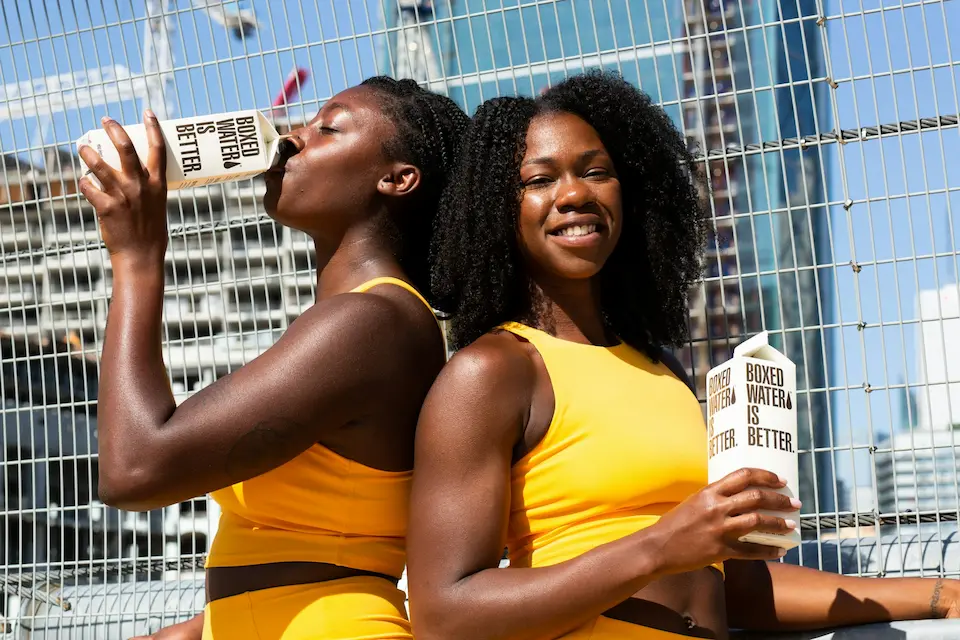
My Protocol: I have a simple rule: I weigh myself before and after a tough workout. For every pound lost, I drink 20-24 ounces of water over the next few hours. I also use a marked water bottle to ensure I’m hitting my daily gallon target.
7. Electrolytes: Don’t Just Drink Water, Absorb It
Sweating isn’t just water loss; it’s electrolyte loss (sodium, potassium, magnesium). Without them, water just passes through you.
My Protocol: For standard gym sessions, I’ll add a pinch of Himalayan pink salt to my post-workout water. For long, intense sessions or workouts in the heat, I use an electrolyte powder with no added sugar.
Active Recovery & Mobility: Move to Improve
The worst thing you can do for sore muscles is be completely sedentary. Gentle movement is a powerful signal to your body that all is well.
8. The “Never Skip Your Cool-Down” Rule
I treat my 10-minute cool-down with the same importance as my warm-up. Stopping abruptly after a heavy set of squats is a shock to the system.
My Protocol: After my last working set, I spend 5-10 minutes on a cardio machine at a very slow, conversational pace (walking on an incline treadmill or very light cycling). Then, I move into dynamic and static stretching.
9. Become a Foam Rolling Evangelist
A foam roller is like giving yourself a deep tissue massage. It breaks up adhesions in the muscle and fascia, improving blood flow and mobility.
My Protocol: I foam roll daily, but it’s non-negotiable post-workout. I focus on my quads, glutes, lats, and thoracic spine. I spend at least 30 seconds on each major muscle group, pausing on any excruciating “trigger points.” A high-density roller like the TriggerPoint GRID is worth the investment.
Related Post

10. Incorporate Dynamic Stretching Post-Workout
Your muscles are warm, pliable, and primed for lengthening. This is the perfect time to work on your mobility.
My Protocol: I perform leg swings (forward and side-to-side), torso twists, cat-cow stretches, and spider-man lunges. This helps reset muscle length and improve range of motion for future sessions.
11. The Magic of Daily 30-Minute Walks
This is perhaps the most underrated of all recovery tips. Low-intensity steady-state (LISS) cardio promotes blood circulation, which delivers nutrients to sore muscles and flushes out metabolic waste, without imposing significant recovery debt.
My Experience: Making a daily walk a non-negotiable habit, even on rest days, has done more for my general recovery and reduction of stiffness than almost any other single tactic.
12. Embrace Epsom Salt Baths
While the science on magnesium absorption through the skin is debated, the experience is undeniable.
My Protocol: Once a week, usually after my hardest workout, I draw a warm bath and add two cups of Epsom salt. I’ll turn the lights off, light a candle, and soak for 20 minutes.

Why It Works: At the very least, it promotes parasympathetic nervous system activation (the “rest and digest” state), reduces stress, and can ease muscle tension through warmth alone. It’s a powerful mental recovery tool.
Sleep & Nervous System Regulation: The Ultimate Performance Enhancer
If you’re not sleeping, you’re not recovering. Period.
13. Prioritize Sleep Like Your Gains Depend On It (They Do)
During deep sleep, your body releases Human Growth Hormone (HGH), which is critical for tissue repair and muscle growth.
My Protocol:I am fanatical about 7-9 hours of quality sleep. This is my number one recovery tip. I track my sleep with an Oura ring, but even without a tracker, you know if you’re getting good sleep.
14. Enforce a Digital Sunset
The blue light from phones and TVs suppresses melatonin production, disrupting your sleep architecture.
My Protocol: All screens are off 60 minutes before my intended sleep time. I charge my phone in another room. This was a tough habit to build, but the improvement in my sleep quality was dramatic.
15. Create a Sleep Sanctuary
Your bedroom should be a cave: cool, dark, and quiet.
My Protocol: I use blackout curtains, keep the temperature between 65-68°F (18-20°C), and use a white noise machine to block out disruptive sounds. A Hatch Restore or similar sunrise alarm clock has been fantastic for winding down with its curated light and soundscapes.
16. Practice Box Breathing for Nervous System Reset
Intense training puts your nervous system in a sympathetic (“fight or flight”) state. You need to consciously bring it back to a parasympathetic (“rest and digest”) state to recover.
My Protocol: Post-workout, or if I’m feeling wired before bed, I practice box breathing: inhale for 4 seconds, hold for 4 seconds, exhale for 4 seconds, hold for 4 seconds. Repeat for 5-10 cycles.
Advanced & Supporting Strategies
These recovery tips require a bit more effort or investment but can provide a significant edge.
17. The Contrast Shower Protocol
This involves alternating between hot and cold water. It’s brutal but incredibly effective.
My Protocol: At the end of my shower, I alternate: 2 minutes of water as hot as I can stand, followed by 30-60 seconds of water as cold as it gets. I repeat this cycle 3-4 times, always finishing on cold.
Why It Works: The hot water dilates blood vessels, and the cold water constricts them. This creates a “pumping” action that helps flush inflammation from the muscles. The cold exposure also reduces the perception of soreness.
Related Post

18. Compression Gear for the Win
Wearing compression garments after training can help reduce swelling and improve blood flow.
My Protocol: After leg day, I’ll often wear a pair of compression tights for a few hours in the evening. I’ve found the SB Sox to be a great balance of quality and comfort.
19. The “Mini” Deload Week
A full deload week every 6-8 weeks is ideal, but sometimes you need a quicker reset.
My Protocol: If I’m feeling particularly beat up but don’t want a full week off, I’ll take 2-3 days where I cut my training volume in half. I might do my normal exercises but with 50% of the weight and only 2 sets instead of 4.
20. Prioritize Gut Health
A healthy gut is crucial for reducing systemic inflammation and absorbing all those nutrients you’re eating.
My Protocol: I consume a daily probiotic (either in supplement form or through fermented foods like kimchi and sauerkraut) and eat plenty of fiber from vegetables and fruits.
21. Sports Massage: Not a Luxury, an Investment
Once a month, I get a professional sports massage. It’s a deep-tissue reset that addresses imbalances and knots that foam rolling can’t touch.
22. Listen to Your Body’s Whisper (So You Don’t Have to Hear It Scream)
This is the most intuitive of all recovery tips. If you’re supposed to do heavy squats but you’re exhausted, your form is off, and you’re dreading it, it’s okay to switch to a lighter, higher-rep day or even take an extra rest day. Consistency over the long haul is what matters.
23. Stay Consistent with Your Post-Workout Nutrition
Even on rest days, your body is still recovering from the previous day’s workout. Don’t neglect your protein and carbohydrate intake on these days.
24. Use a Massage Gun for Pinpoint Relief
While a foam roller is great for large muscle groups, a massage gun can get into smaller, tighter areas like the rotator cuff, calves, and forearms.
My Protocol: I use it for 1-2 minutes per muscle group after my workout or while watching TV in the evening. The theragun is a popular and effective option.
25. Manage Your Overall Life Stress
Chronic stress from work, relationships, or finances elevates cortisol, a catabolic hormone that breaks down muscle and inhibits recovery. Meditation, journaling, and spending time in nature are crucial for managing this.
26. Pay Attention to Micronutrients
Magnesium and Zinc are particularly important for recovery and sleep. I ensure my diet is rich in nuts, seeds, and leafy greens, and I occasionally supplement with ZMA before bed.
27. Track Your Progress and How You Feel
I keep a simple training journal where I not only log my lifts but also rate my sleep, energy levels, and muscle soreness. This helps me identify patterns and adjust my training and recovery strategies before I hit a wall.
Recovery isn’t a passive state; it’s an active process. By implementing these recovery tips, you’re not just reducing soreness—you’re building a more resilient, adaptable, and powerful body. Treat your recovery with the same intensity and intention as your training, and you’ll be amazed at the progress you can make.