Let’s be clear: the weight loss world is drowning in quick fixes, detox teas, and contradictory advice. It’s exhausting. Lasting change doesn’t come from a shake or a shocking headline; it comes from applying fundamental, evidence-based principles consistently.
This isn’t about a fad. This is a curated list of actionable, science-backed weight loss tips that address the why behind weight gain and the how behind sustainable loss. We’ll cut through the noise and focus on physiology, psychology, and practical habit change. This is your blueprint for the best way to lose weight—for good.
Section 1: The Mindset & Foundation (The Bedrock of Success)
Your brain is your most powerful tool. Set it up for success first.
1. Ditch the “Diet” Mentality. Think “Nourishment & System.”
Diets are temporary and imply restriction. Science shows restrictive diets trigger rebound overeating. Instead, build a sustainable system of eating and moving that you can maintain indefinitely.
- Action: Stop labeling foods as “good” or “bad.” Ask, “Will this nourish my body and support my goals?”
2. Prioritize Protein at Every Meal.
Protein increases satiety (feeling full), boosts metabolism through the thermic effect of food (your body burns more calories digesting it), and helps preserve calorie-burning muscle mass during weight loss. A study in The American Journal of Clinical Nutrition found high-protein intake crucial for maintaining weight loss.
- Action: Aim for a palm-sized portion of protein (chicken, fish, eggs, tofu, Greek yogurt) with breakfast, lunch, and dinner.
If you’re plant-based, combine foods like rice & beans or hummus & whole-grain pita to create a complete protein profile.
3. Drink a Glass of Water Before Every Meal.
Research published in Obesity found that drinking 500ml of water 30 minutes before meals increased weight loss by 44% over 12 weeks. Water fills your stomach, naturally leading to lower calorie intake.
- Action: Make this a non-negotiable ritual. Add a slice of lemon or cucumber for flavor.
4. Sleep 7-9 Hours. It’s Non-Negotiable.
Poor sleep disrupts leptin (the “I’m full” hormone) and ghrelin (the “I’m hungry” hormone), making you crave high-calorie foods. It also increases cortisol, a stress hormone that promotes belly fat storage.
- Action: Protect your sleep schedule like a crucial appointment. This is one of the most powerful weight loss tips for women and men, yet it’s often overlooked.
5. Eat Slowly and Mindfully.
It takes about 20 minutes for your brain to register fullness. Eating quickly often leads to overeating before the fullness signal arrives.

- Action: Put your fork down between bites. Chew thoroughly. Aim to be the last one finished at the table.
Section 2: Nutrition & Eating Habits (Working With Your Biology)
Fuel your body intelligently. This is the core of the easiest way to lose weight—making smarter choices effortless.
6. Fill Half Your Plate with Non-Starchy Vegetables.
Vegetables are high in volume, water, and fiber but low in calories. This “calorie dilution” allows you to eat a larger, more satisfying portion while controlling calories—a concept supported by research from Penn State University.
- Action: At lunch and dinner, load up on broccoli, spinach, peppers, zucchini, cauliflower, and leafy greens first.
7. Use Smaller Plates and Bowls.
The Delboeuf illusion is a simple visual trick. The same amount of food looks larger on a small plate, tricking your brain into feeling more satisfied.
- Action: Switch your dinner plate for a salad plate. Use a small bowl for snacks.
The color contrast matters too. Serving pasta (white) on a white plate leads to bigger servings. Use a dark-colored plate instead.
Related Post

8. Cook Most of Your Meals at Home.
A study in Public Health Nutrition found that people who eat home-cooked meals more than five times a week are 28% less likely to be overweight. You control the ingredients, portions, and cooking methods.
- Action: Master 3-4 simple, healthy recipes you enjoy. Batch cook on weekends.
9. Limit Liquid Calories.
Sugary sodas, juices, fancy coffees, and alcohol provide calories without satiety. Your brain doesn’t register liquid calories the same way it does solid food, leading you to overeat overall.
- Action: Stick to water, sparkling water, black coffee, and unsweetened tea as your primary drinks.
10. Eat More Soluble Fiber.
Soluble fiber (found in oats, beans, apples, avocados, Brussels sprouts) forms a gel in your gut, slowing digestion, stabilizing blood sugar, and powerfully promoting fullness. It’s key for reducing visceral belly fat.
- Action: Add a tablespoon of chia or flax seeds to your morning yogurt or smoothie.
11. Don’t Drink Your Fruit.
A whole apple has fiber that slows sugar absorption and promotes fullness. Apple juice is essentially sugar water with vitamins. Always choose whole fruit over juice.
- Action: When craving something sweet, reach for a piece of whole fruit.
12. Practice the “80/20 Rule.”
Aiming for perfection is a recipe for burnout and bingeing. If 80% of your choices are nutrient-dense and support your goals, 20% can be for flexibility and enjoyment, making your plan sustainable.
- Action: Plan your “20%”—enjoy a meal out or a treat without guilt, then return to your nourishing habits.
Section 3: Exercise & Movement (Burn Fat, Build Metabolism)
Exercise is for health and body composition, not just calorie burn. This is your workout guide for weight loss philosophy.
13. Lift Weights 2-3 Times Per Week.
Muscle is metabolically active tissue. The more you have, the more calories you burn at rest. Strength training is the best way to lose body fat while preserving or building muscle, giving you a toned appearance.

- Action: Don’t fear weights. Start with bodyweight squats, push-ups, and dumbbell rows. Progressive overload is key.
14. Walk. A Lot.
NEAT (Non-Exercise Activity Thermogenesis)—the calories you burn from daily movement—is huge. A daily 45-60 minute brisk walk can burn hundreds of extra calories, improve insulin sensitivity, and reduce stress.
- Action: Aim for 8,000-10,000 steps daily. Take walking meetings, park farther away, take the stairs.
Don’t just amble. Purposeful walking, where you could talk but not sing, optimizes fat burn for energy (lipolysis).
15. Incorporate High-Intensity Interval Training (HIIT).
HIIT involves short bursts of all-out effort followed by rest. Studies show it can burn significant calories in a short time and elevate your metabolism for hours afterward (EPOC – Excess Post-Exercise Oxygen Consumption).
- Action: 1-2 times a week, try a 20-minute workout: 30 seconds sprint/burpees, 60 seconds walk/rest. Repeat.
Related Post

16. Stand Up More.
Sitting for prolonged periods negatively impacts metabolism and circulation. Simply standing burns more calories than sitting.
- Action: Set a timer to stand and move for 5 minutes every hour. Consider a standing desk.
Section 4: Environment & Psychology (Setting Yourself Up to Win)
Your environment controls your choices more than your willpower.
17. Keep Unhealthy Temptations Out of the House.
If it’s not there, you can’t eat it mindlessly. Willpower is a finite resource. Make the healthy choice the easy choice.
- Action: Do a “pantry purge.” Donate or discard hyper-palatable junk food. Stock your fridge with pre-cut veggies and healthy snacks.
18. Use the “Out of Sight, Out of Mind” Principle.
Conversely, keep healthy foods visible. A bowl of fruit on the counter, prepped veggies at eye-level in the fridge.
- Action: Wash and chop produce immediately after grocery shopping so it’s ready to eat.
This works both ways. Studies show that simply seeing a bowl of candy on a desk can increase hunger hormones like ghrelin.
19. Track Your Food (Temporarily, for Awareness).
You can’t manage what you don’t measure. Studies consistently show that people who track their food lose more weight. It’s not forever—just long enough to understand portions and habits.
- Action: Use an app like MyFitnessPal for just one week to audit your intake. You’ll learn a lot.
20. Manage Stress Proactively.
Chronic stress elevates cortisol, which can increase appetite and drive abdominal fat storage, making it harder to lose stomach fat.
- Action: Build daily stress-relief practices: 10 minutes of meditation, deep breathing, a nature walk, or journaling.
21. Eat Without Distractions.
Eating while watching TV, driving, or scrolling leads to mindless overconsumption. You miss your body’s satiety cues.
- Action: Have at least one meal a day at a table, with no screens. Focus on the food.
22. Plan for Obstacles.
You will face busy days, travel, and social events. Planning prevents panic and poor choices.
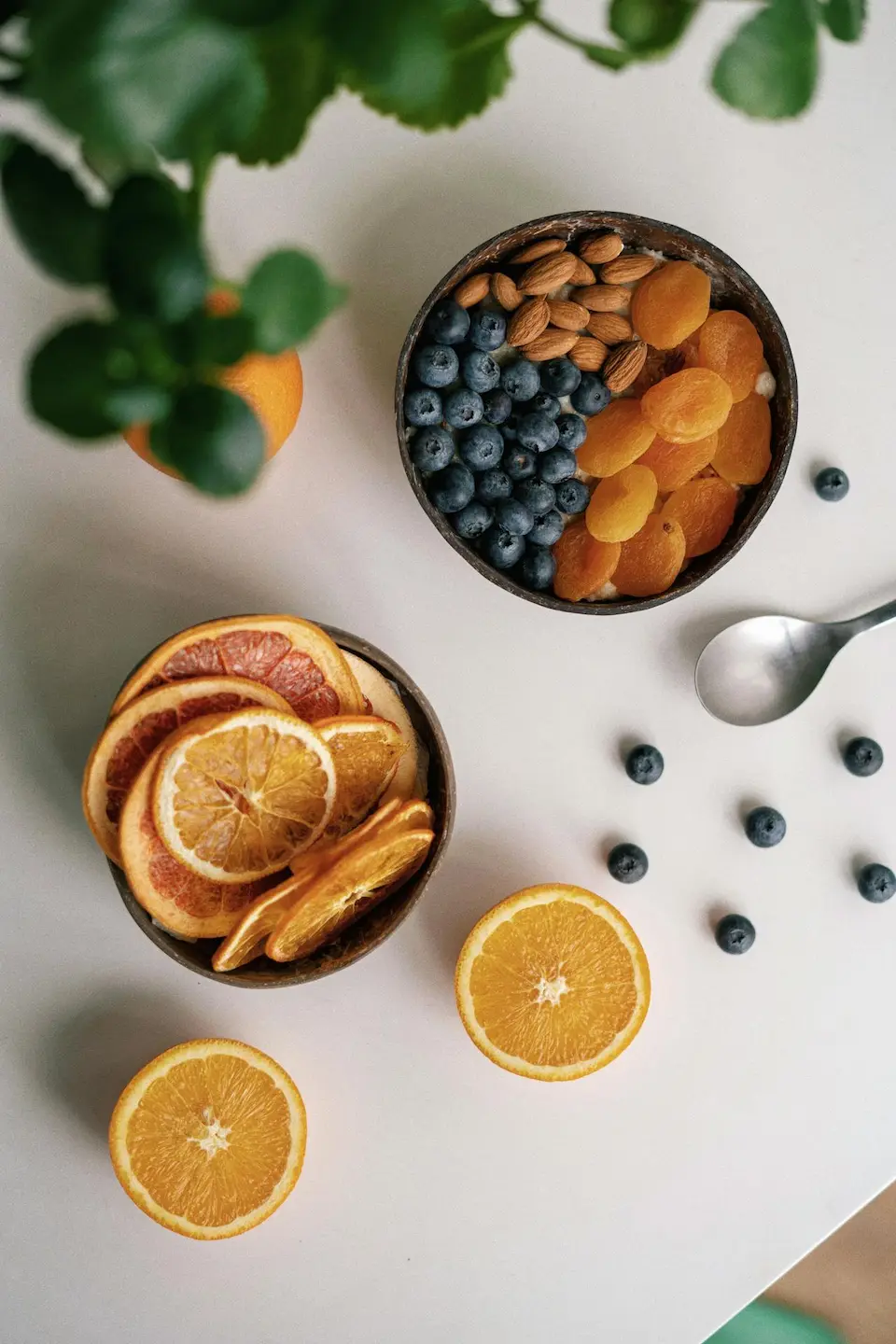
- Action: Have a go-to healthy takeout option. Pack healthy snacks for travel. Look at a restaurant menu online beforehand and decide what you’ll order.
Section 5: The Final, Critical Drivers
These tips tie everything together for the fastest way to lose weight that’s actually sustainable.
23. Be Consistent, Not Perfect.
Missed a workout? Ate more than planned? It’s a single data point, not a failure. The key is getting back on track with your very next choice.
- Action: Adopt a “never miss twice” mentality. One off-meal doesn’t ruin a week; letting it spiral does.
24. Measure Progress Beyond the Scale.
Muscle gain, water retention, and hormones affect scale weight. Other metrics are often better indicators of fat loss.
- Action: Track how your clothes fit, take monthly progress photos, and note improvements in energy, strength, and sleep.
25. Build a Support System.
Accountability and shared experience are powerful motivators. Tell a friend your goals, join an online community, or consider working with a coach.
- Action: Find one person you can check in with weekly to share wins and challenges.
Frequently Asked Questions
Weight loss is not about one magic bullet. It’s about the symphony of small, science-backed habits playing together consistently.
The best way to lose weight is the way you can stick with. It’s the sum of drinking your water, prioritizing protein, moving your body daily, protecting your sleep, and managing your environment. It’s the compound interest of health.
Start by picking three tips from this list. Master them for two weeks. Then add another. Build your system brick by brick. Trust the process, be kind to yourself, and remember that every healthy choice is a vote for the person you are becoming. You have the blueprint. Now, take the first step.