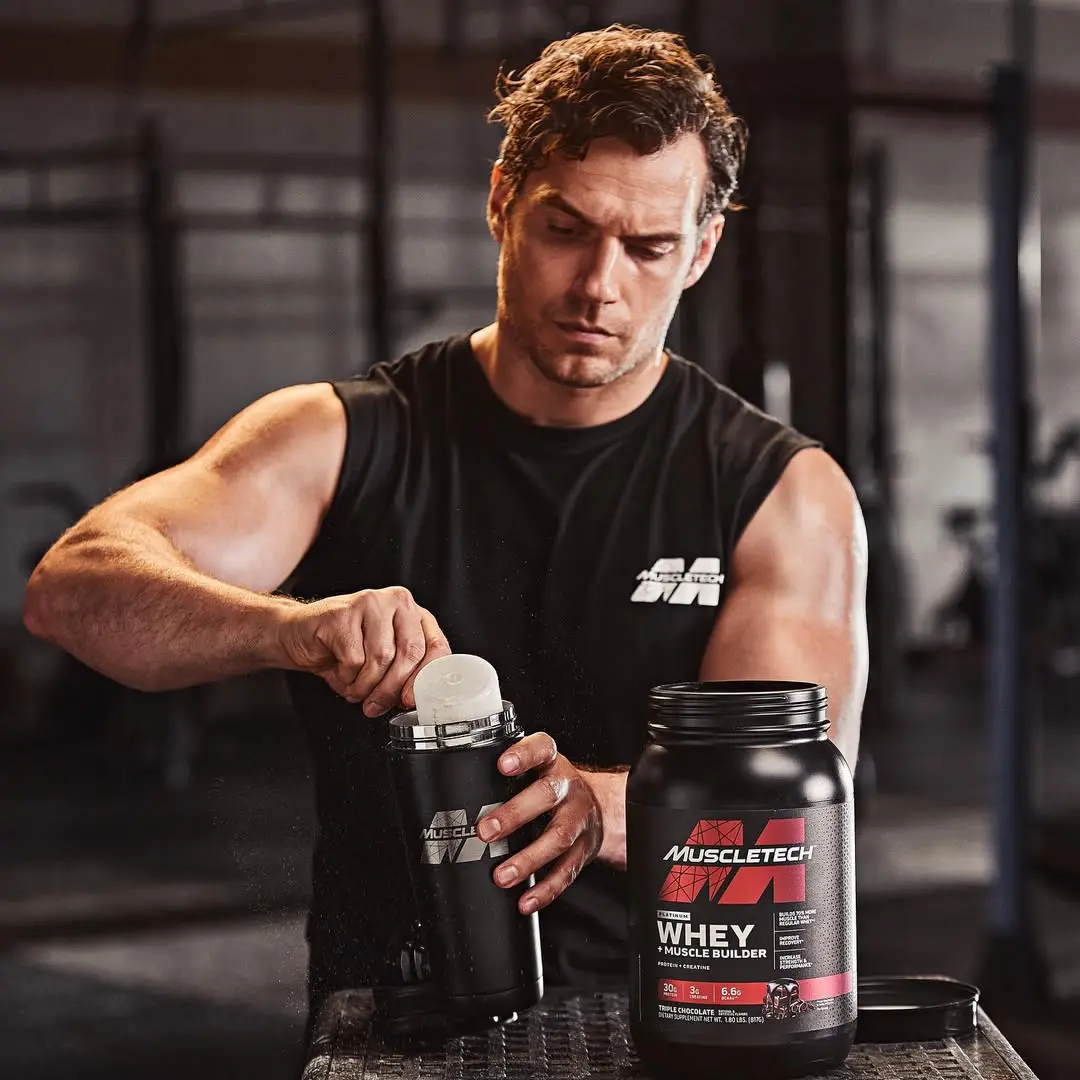
You spend your hard‑earned money on a tub of whey protein. The label looks legit. The macros seem perfect. But after weeks of drinking it, you see no results. Maybe you even feel bloated or off.
You might be consuming fake whey protein.
The supplement industry is full of shady practices. Some brands spike their protein with cheap amino acids to artificially boost nitrogen numbers. Others use low‑quality ingredients that don’t deliver what the label promises. And because protein powder isn’t tightly regulated, they often get away with it.
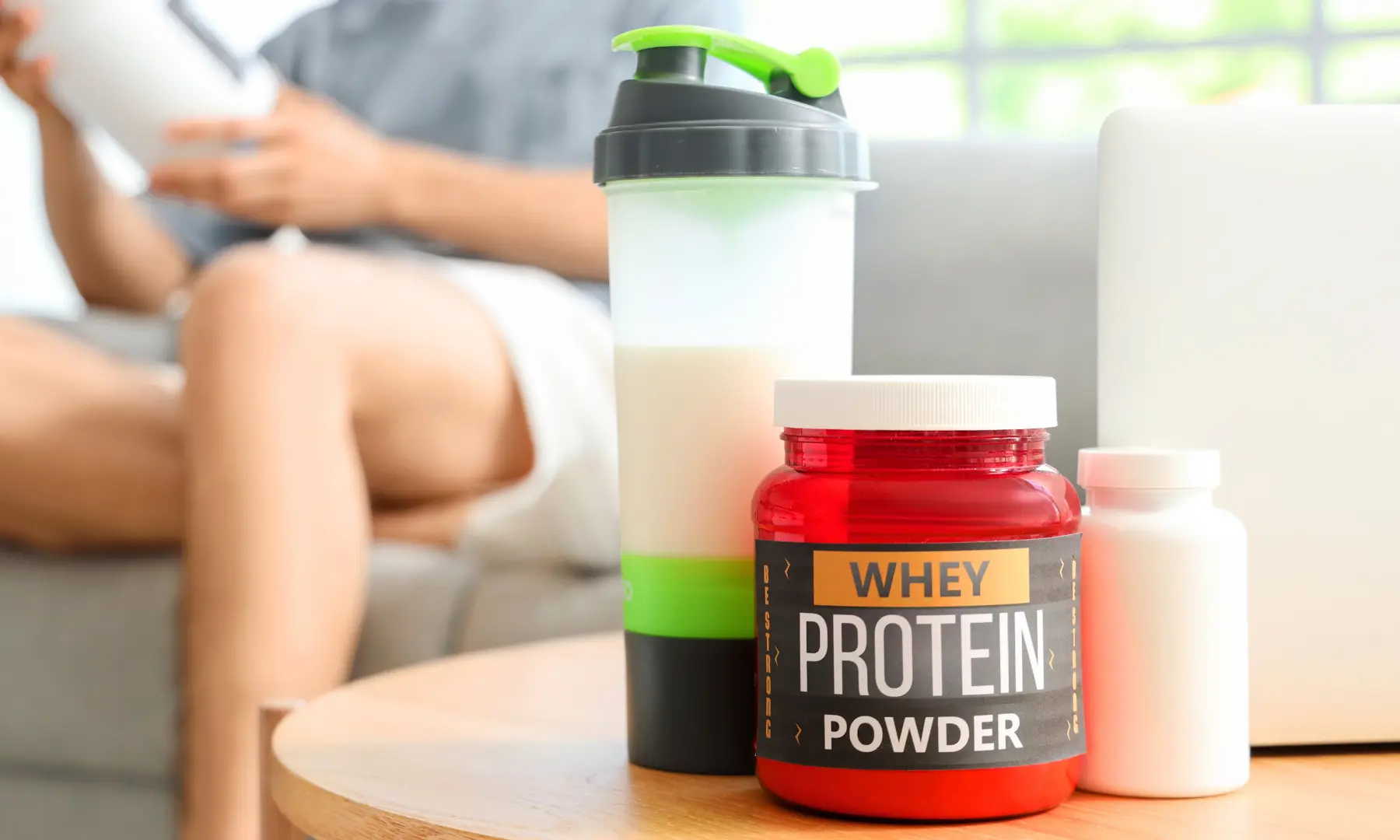
This guide exposes 5 red flags that scream fake whey protein. You’ll learn how to spot the lies, protect your wallet, and choose supplements that actually build muscle.
Why Fake Whey Protein Is a Growing Problem
Whey protein is expensive to produce. High‑quality whey isolate costs manufacturers real money. So some companies cut corners by:
These fake whey protein products pass lab tests because standard tests (like the Kjeldahl method) measure total nitrogen – not actual protein. Added nitrogen from cheap aminos tricks the test.
Always look at the ingredients list, not just the nutrition panel. Ingredients don’t lie – marketing does.”
🚩 Red Flag #1: Suspiciously Low Price
If a 5‑lb tub costs less than $40, something is wrong.
Why? High‑quality whey isolate costs about $0.70‑1.20 per serving to produce. Concentrate is cheaper but still has a baseline cost. When a brand sells a 5‑lb tub for $30, they’re either losing money or using junk ingredients.
What to check: Compare the price per gram of protein. A legit whey concentrate should be around $0.03‑0.05 per gram of protein. Isolate is $0.05‑0.08. Anything significantly lower is suspicious.
Example: A 2‑lb tub of genuine whey isolate should cost $30‑45. If you see $20, run.
Don’t fall for ‘buy one get one free’ deals on no‑name brands. Reputable companies rarely run deep discounts on high‑quality protein.
🚩 Red Flag #2: Amino Spiking on the Ingredients List
This is the most common fake whey protein trick. The label says “25g protein per serving,” but the ingredients list shows added amino acids like:
Why it’s fraud: These ingredients are cheaper than whey and aren’t effective for muscle growth. But they contain nitrogen, so lab tests read them as “protein.” You’re paying whey prices for glorified supplements.
Related Post

What a clean label looks like:
Ingredients: Whey protein isolate, natural flavors, sunflower lecithin, stevia. That’s it.
If you see a long list of amino acids on the label – especially glycine or taurine – put the tub back. That’s fake protein.
🚩 Red Flag #3: Math That Doesn’t Add Up
Check the numbers. A standard scoop is about 30‑35g total weight.
- Protein per serving: If it says 25g protein.
- Carbs and fat: Add those up (e.g., 3g carbs, 2g fat = 5g).
- Remaining weight: 30g total – 25g protein – 5g carbs/fat = 0g left for “other.”
That’s fine. But if the scoop is 35g and they claim 30g protein with 4g carbs and 3g fat, that’s 37g – impossible. Math doesn’t lie.
What to watch for: Discrepancies between serving size, weight, and macro totals. Some fakes also hide “protein blend” with added nitrogen spikers but list them separately to confuse you.
Example: A brand lists 25g protein, 2g carbs, 1g fat, and the scoop is 33g. Where’s the other 5g? Usually, cheap fillers are not declared. Legit products account for all grams.
A digital kitchen scale helps you verify the actual scoop weight – if a 33g scoop consistently weighs 28g, you’re being shortchanged.
🚩 Red Flag #4: No Third‑Party Testing Certification
Reputable brands pay for independent testing. Look for seals from:
- NSF Certified for Sport
- Informed Choice or Informed Sport
- USP Verified
These certifications mean the product has been tested for purity, label accuracy, and banned substances. Fake whey protein brands rarely invest in these certifications because they wouldn’t pass.
What to do if there’s no seal: Check the brand’s website for “COA” (Certificate of Analysis) or lab reports. If you can’t find any, assume the label is not accurate.
A brand that hides behind ‘proprietary blend’ without listing exact amounts of each ingredient is a red flag. You have a right to know what you’re consuming.
A great example of a trusted brand is Optimum Nutrition Gold Standard Whey – they have decades of transparency and third‑party testing.
🚩 Red Flag #5: Poor Taste, Texture, or Mixability
Real whey protein – especially isolate – mixes relatively easily with a shaker bottle. It should taste like mild dairy with whatever flavoring is added.
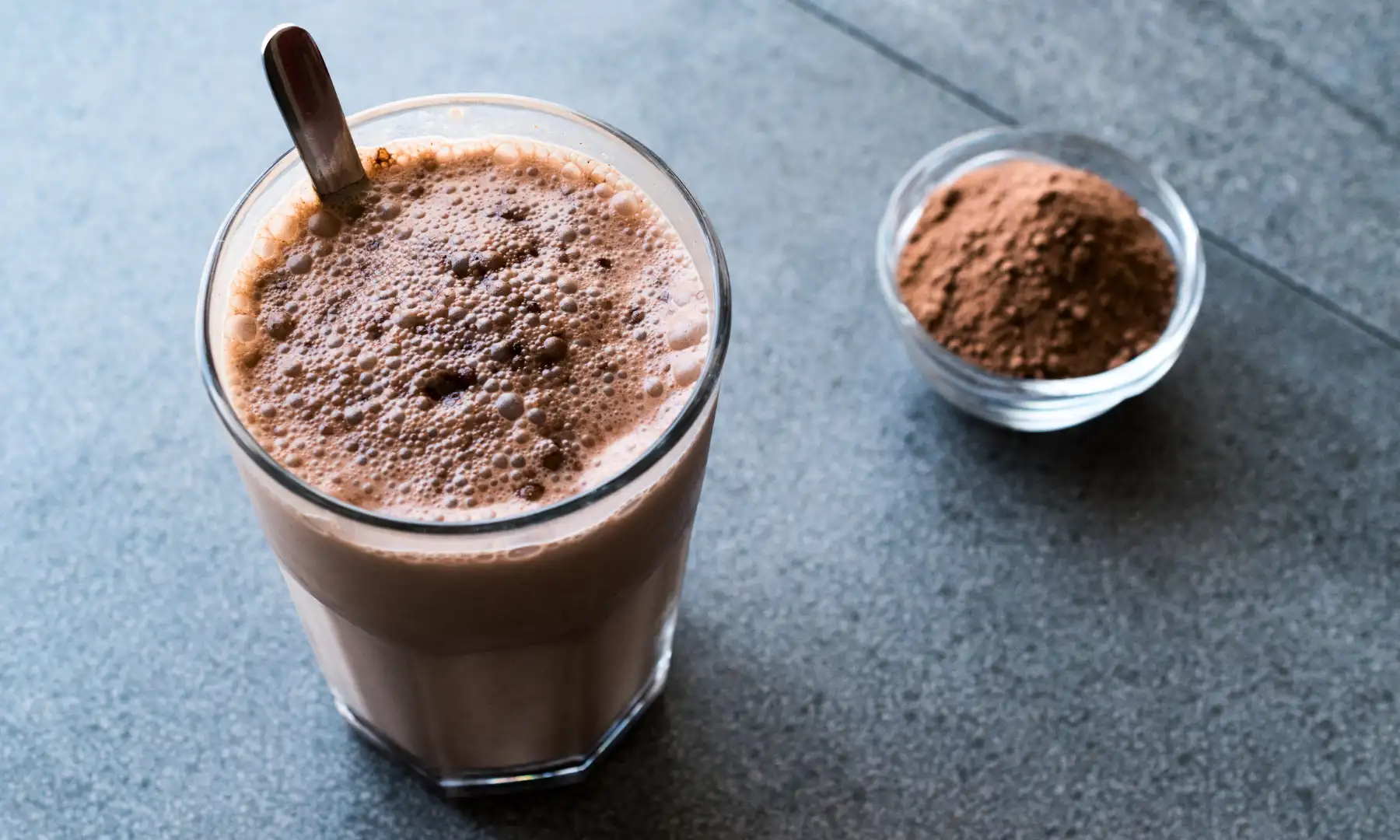
Signs of fake whey protein in the shaker:
What to do: If you buy a tub and it fails the “mix and taste” test, return it. Many retailers accept returns on supplements.
Mix a scoop in a glass of room‑temperature water. Stir with a fork. Real whey should dissolve in about 30 seconds, with minimal clumps.
How to Choose a Legit Whey Protein
Now that you know the red flags, here’s what to look for.
|
What to Check |
What a Good Product Looks Like |
|---|---|
|
Price |
$0.04‑0.08 per gram of protein |
|
Ingredients |
Short list: whey isolate/concentrate, lecithin, natural flavors, sweetener |
|
Protein per scoop |
20‑25g for a 30g scoop (67‑83% protein). Isolate can be 25‑28g. |
|
Amino spiking |
No added glycine, taurine, glutamine, or creatine |
|
Third‑party seal |
NSF, Informed Choice, or USP |
|
Brand reputation |
Known companies with years of positive reviews |
Trusted brands (always safe):
Related Post
A reliable option for clean whey isolate is Dymatize ISO100 – it’s hydrolyzed, mixes clear, and has zero amino spiking.
For a budget‑friendly but tested whey concentrate, NOW Sports Whey Protein is transparent and affordable.
Quick Checklist Before You Buy
Frequently Asked Questions
Don’t Let Fake Protein Steal Your Gains
You train hard. You eat right. You deserve a supplement that delivers what it promises. Fake whey protein is a multimillion‑dollar scam, but now you have the tools to spot it.
Remember the 5 red flags:
- Too cheap to be true.
- Added amino acids like glycine or taurine.
- Math that doesn’t add up.
- No third‑party testing.
- Bad taste, texture, or mixability.
Stick with trusted brands, read ingredients like a detective, and don’t let marketing gimmicks fool you. Your muscles – and your wallet – will thank you.