There’s something special about a person with strong legs.
You see them walk—grounded, powerful, confident. Their physique looks complete, balanced, intentional. They didn’t skip the hard days.
Building impressive legs isn’t just about aesthetics. It’s about creating a foundation for everything else: stronger lifts, better athletic performance, and a metabolism that actually works. Yet most gym-goers wander through leg day with no real plan, hoping random machines will somehow deliver results.
They won’t.
This guide changes that. Here are five scientifically proven exercises that target every major muscle group in your lower body. Follow this leg routine gym plan consistently, and you’ll build strength, size, and symmetry that demands attention.
The Anatomy of Strong Legs
Before we dive into exercises, understand what you’re working:
|
Muscle Group |
Primary Function |
Key Exercises |
|---|---|---|
|
Quadriceps (Front thighs) |
Knee extension |
Squats, leg press, lunges |
|
Hamstrings (Back thighs) |
Knee flexion, hip extension |
Deadlifts, leg curls |
|
Glutes (Buttocks) |
Hip extension, external rotation |
Hip thrusts, squats, lunges |
|
Adductors (Inner thighs) |
Leg adduction |
Sumo squats, adductor machine |
|
Calves (Lower legs) |
Ankle plantarflexion |
Calf raises |
A complete leg workouts for gym routine hits all these areas. The five exercises below do exactly that.
Exercise #1: Barbell Back Squat (The King of Leg Exercises)
No good leg day workout is complete without squats. Period.
Why It’s Essential: The barbell back squat is a compound movement that engages virtually every muscle in your lower body—quads, hamstrings, glutes, adductors, and calves—while also challenging your core and upper back for stability. It’s the most efficient leg builder ever devised.
How to Perform:
- Setup: Position the barbell across your upper back (not your neck). Grip the bar slightly wider than shoulder-width. Unrack and take 2-3 steps back.
- Stance: Feet shoulder-width apart, toes slightly pointed outward.
- Descent: Initiate by pushing hips back, then bend knees. Lower until thighs are at least parallel to floor (deeper if mobility allows).
- Ascent: Drive through your heels, extending hips and knees simultaneously. Squeeze glutes at top.
- Breathing: Inhale at top, hold breath during descent, exhale forcefully during ascent.
Common Mistakes to Avoid:
- Knees caving inward (push them out!)
- Heels lifting off ground (weight should stay mid-foot)
- Rounding lower back (brace core throughout)
- Quarter reps (depth matters for growth)
Sets and Reps:
If ankle mobility limits your depth, try squat shoes with a raised heel or place small plates under your heels. This shifts weight forward and allows deeper squats.
If you’re serious about squatting, investing in proper footwear makes a huge difference. Weightlifting shoes with a raised heel provide stability and mobility that regular trainers can’t match.
Exercise #2: Romanian Deadlift (Hamstring and Glute Builder)
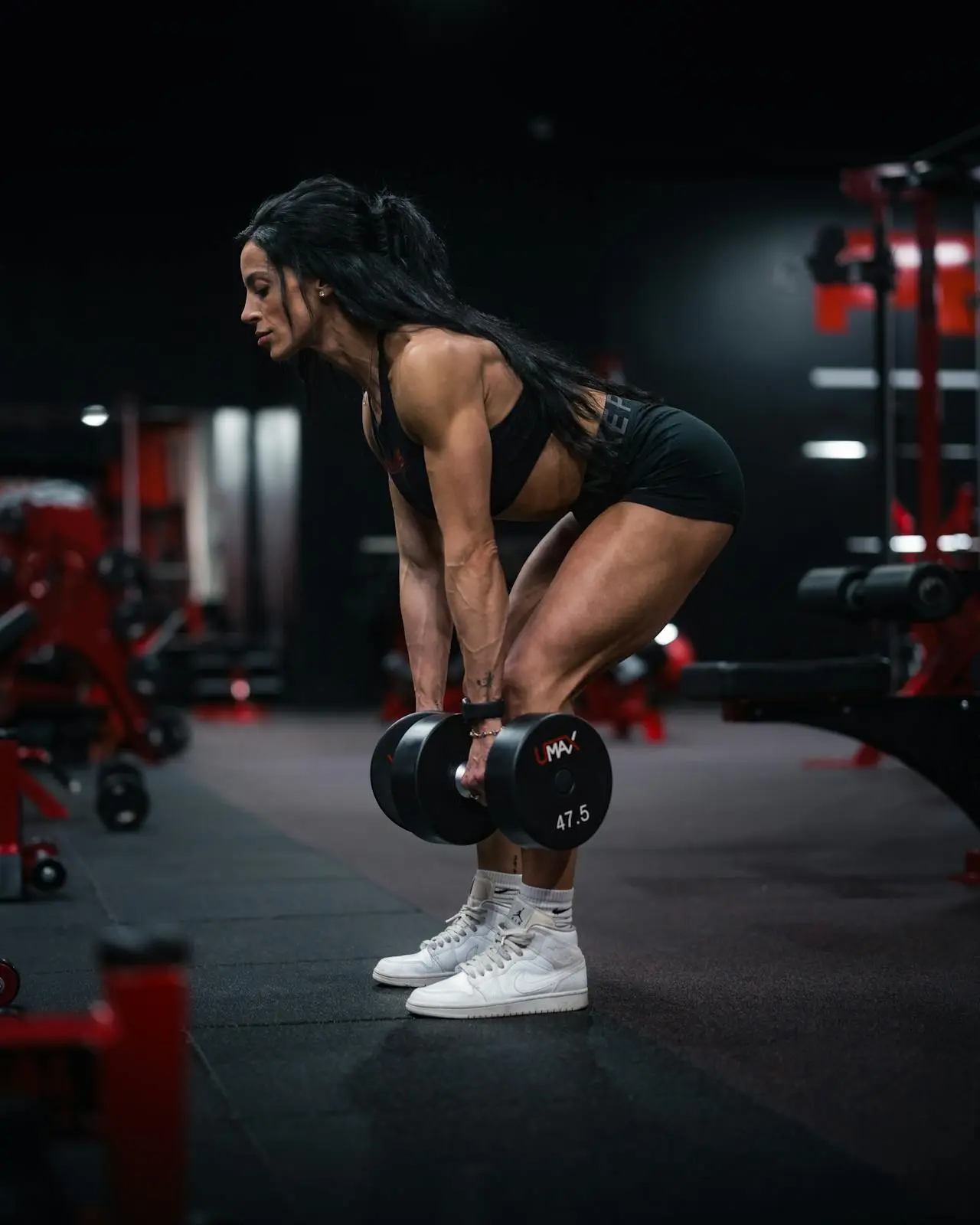
If squats build your quads, Romanian deadlifts (RDLs) build your hamstrings and glutes. This is the best workout for legs when it comes to posterior chain development.
Why It’s Essential: The RDL targets the hamstrings through hip extension while placing them under significant stretch—a potent stimulus for growth. It also heavily engages glutes and lower back.
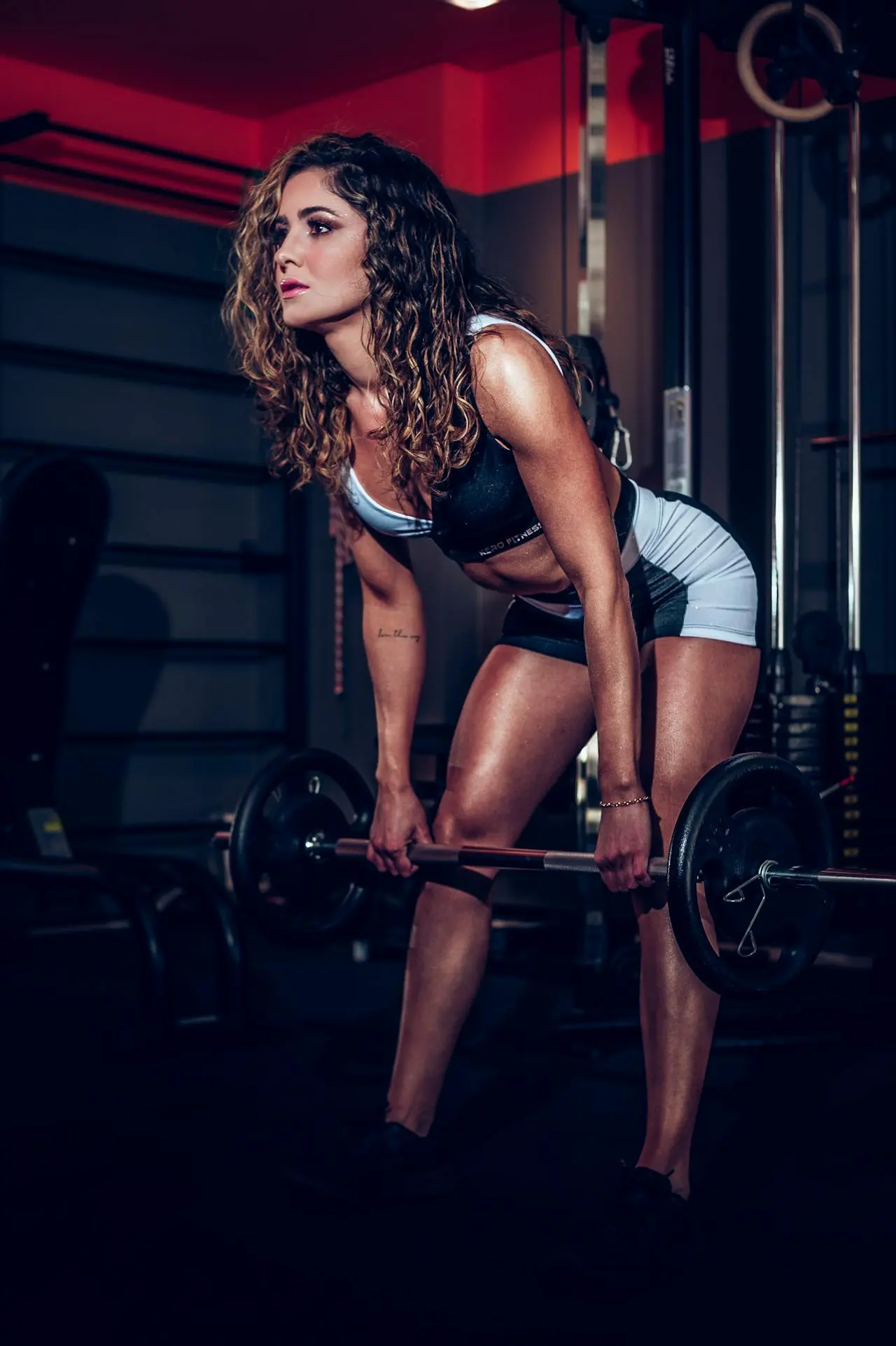
How to Perform:
- Setup: Hold a barbell with overhand grip, hands shoulder-width apart. Stand with feet hip-width, knees slightly bent.
- Initiation: Push hips back as if closing a car door with your glutes. Keep spine neutral, chest up.
- Descent: Lower bar along your thighs, keeping it close to your body. You’ll feel a deep stretch in hamstrings.
- Depth: Continue until you feel a strong hamstring stretch (usually mid-shin level). Don’t round your back to go deeper.
- Ascent: Drive hips forward, squeezing glutes to return to start.
Key Form Cues:
- Maintain slight knee bend throughout (don’t lock knees)
- Bar stays in contact with legs during movement
- Look forward, not down
- Feel the hamstrings—if you feel it in lower back, you’re doing it wrong
Related Post

Sets and Reps:
Think of the RDL as a hip hinge, not a squat. Your knees should barely move—all the action comes from pushing your hips back and forward.
A quality barbell makes all the difference for deadlifts. For home gyms, consider a 7-foot Olympic barbell with knurling that provides a secure grip even during heavy sets.
Exercise #3: Leg Press (Quad and Glute Mass Builder)
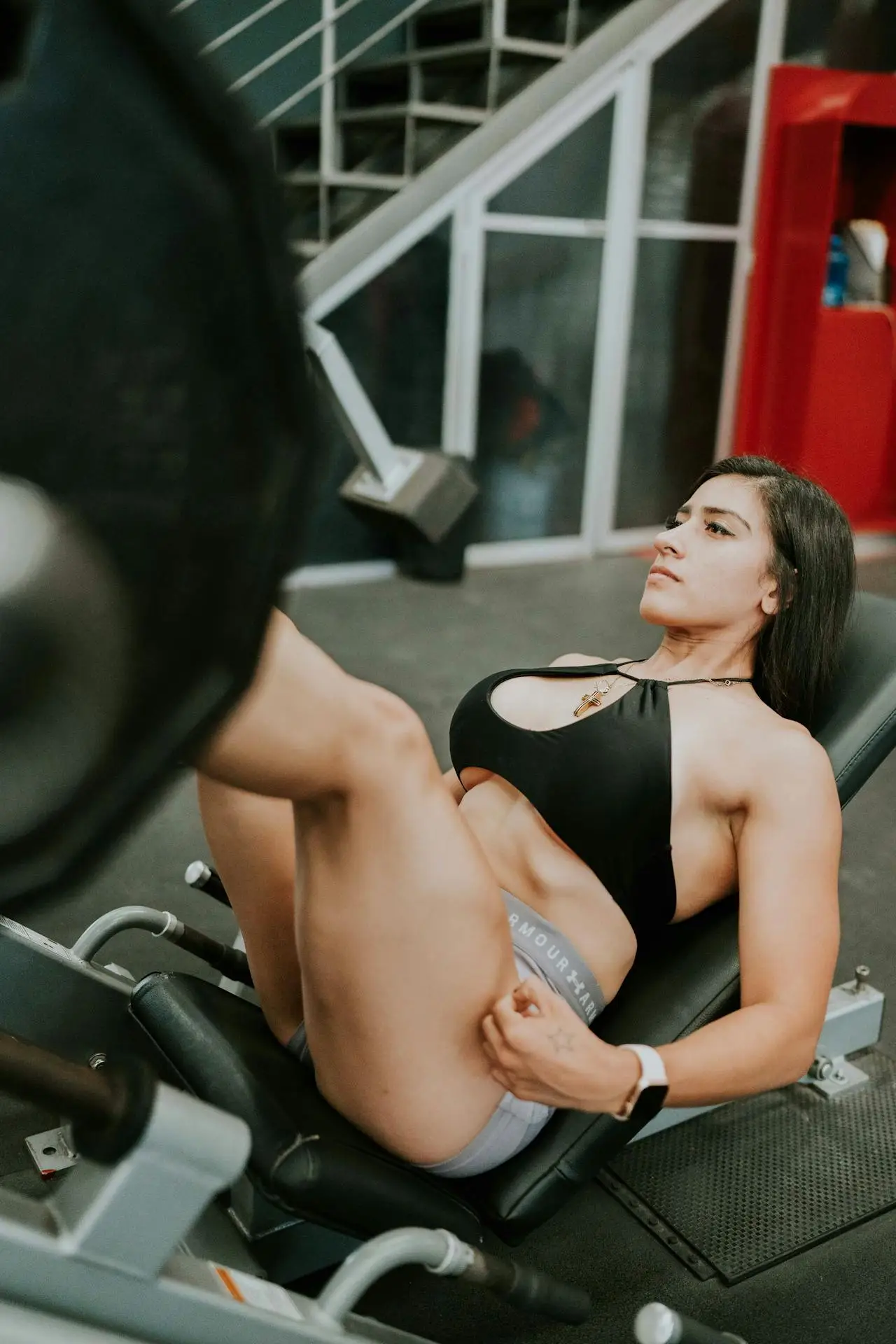
The leg press allows you to safely load your legs with heavy weight while supporting your spine—perfect for pushing past plateaus.
Why It’s Essential: Leg press targets quads, hamstrings, and glutes with less spinal loading than squats. Different foot positions shift emphasis:
|
Foot Position |
Primary Target |
|---|---|
|
Low on platform |
Quads |
|
High on platform |
Glutes, hamstrings |
|
Wide stance |
Adductors, inner quads |
|
Narrow stance |
Outer quads |
How to Perform:
- Setup: Sit on machine, back flat against pad. Place feet shoulder-width on platform.
- Descent: Lower weight until knees reach 90 degrees (or slightly deeper if comfortable).
- Ascent: Push through entire foot, extending legs without locking knees.
- Control: Never let weight slam down—maintain tension throughout.
Common Mistakes:
- Partial reps (stop going heavy if you can’t go deep)
- Lifting hips off seat (keep glutes planted)
- Locking knees at top (maintain slight bend)
- Holding breath (breathe throughout)
Sets and Reps:
Pause for 2 seconds at the bottom of each rep. This eliminates momentum and forces your muscles to work harder through the full range.
For those training at home, a leg press machine attachment for power racks can transform your home gym setup.
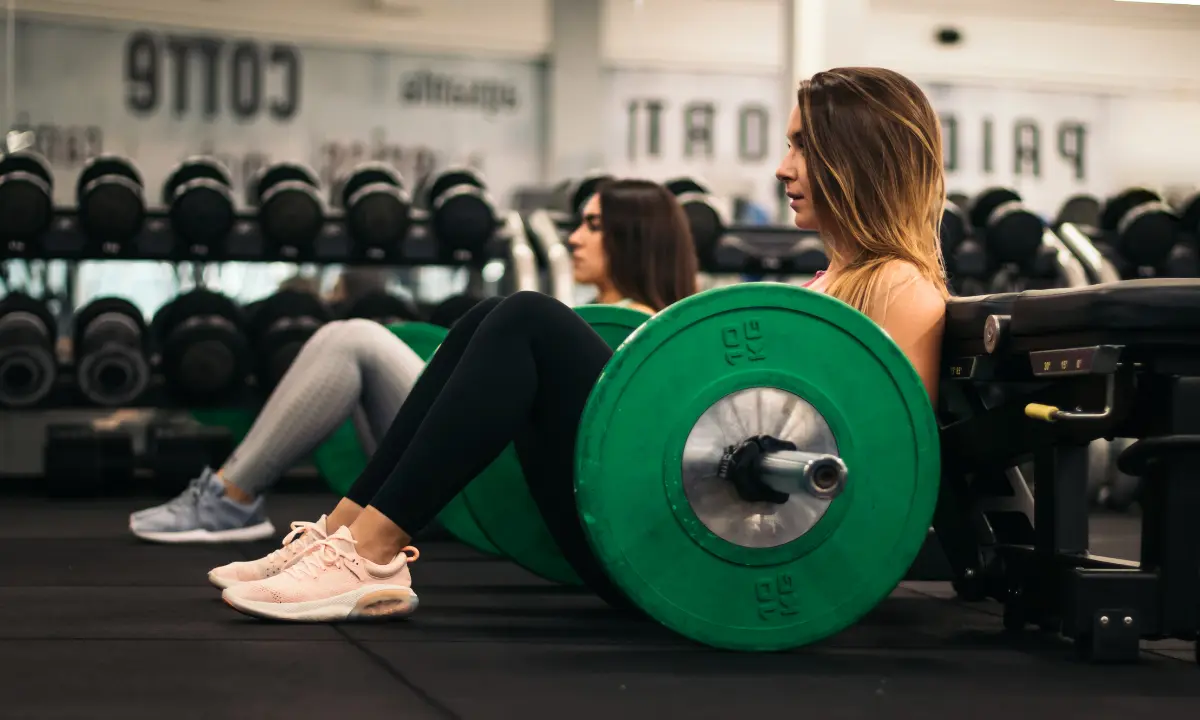
Exercise #4: Barbell Hip Thrust (The Glute Specialist)
If you want round, powerful glutes, hip thrusts are non-negotiable. Research shows they activate glutes more effectively than squats or deadlifts.
Why It’s Essential: Hip thrusts place glutes in a position of maximal mechanical tension at the top of the movement. The combination of hip extension and knee flexion isolates glutes while limiting hamstring involvement.
How to Perform:
- Setup: Sit on floor with upper back against a bench. Roll barbell over hips (use a pad—trust me). Feet flat, knees bent.
- Position: Upper back (shoulder blades) on bench, chin tucked slightly.
- Ascent: Drive through heels, thrust hips upward until body forms straight line from shoulders to knees.
- Peak: Squeeze glutes hard for 1-2 seconds at top.
- Descent: Lower with control, stopping just above floor.
Related Post

Key Form Points:
- Feet should be under knees at top (shins vertical)
- Don’t overextend lower back—movement comes from hips
- Drive through heels, not toes
- Keep chin tucked (neutral spine)
Sets and Reps:
A barbell pad isn’t optional for hip thrusts—it’s essential. Your hip bones will thank you when you’re lifting heavy.
A good barbell pad with secure straps makes heavy hip thrusts comfortable and protects your hips during those intense glute-building sessions.
Exercise #5: Lying Leg Curl (Hamstring Isolation)
After heavy compounds, isolation work ensures complete hamstring development.
Why It’s Essential: Leg curls target the hamstrings through knee flexion—a movement pattern not fully covered by deadlifts. This ensures balanced development and reduces injury risk.
How to Perform:
- Setup: Lie face down on machine, knees just off edge, ankles under pads.
- Movement: Curl legs by pulling heels toward glutes.
- Peak: Squeeze hamstrings hard at top.
- Descent: Lower with control, stopping just short of full extension (maintain tension).
Variations:
- Seated leg curl: Emphasizes different hamstring fibers
- Standing leg curl: Single-leg focus, great for imbalances
- Dumbbell leg curl: If no machine available (lie face down, hold dumbbell between feet)
Sets and Reps:
Point your toes during leg curls. This shifts emphasis to the gastrocnemius (calf) slightly, but more importantly, it helps you feel the hamstrings working.
For home gym users, a hamstring curl attachment for benches can add this essential movement without requiring a dedicated machine.
Related Post

The Complete Leg Day Workout Routine
Here’s how to put it all together for the ultimate leg gym workout routine.
Warm-Up (5-10 minutes):
|
Exercise |
Duration/Reps |
Purpose |
|---|---|---|
|
Light cardio (bike or treadmill) |
5 minutes |
Increase blood flow |
|
Leg swings (forward/side) |
10 each leg |
Dynamic stretching |
|
Bodyweight squats |
2 x 15 |
Activate quads/glutes |
|
Walking lunges |
10 each leg |
Full leg activation |
|
Glute bridges |
2 x 15 |
Wake up glutes |
Main Workout:
|
Exercise |
Sets |
Reps |
Rest |
|---|---|---|---|
|
Barbell Back Squat |
4 |
8-10 |
2-3 min |
|
Romanian Deadlift |
4 |
10-12 |
2 min |
|
Leg Press |
3 |
12-15 |
90 sec |
|
Barbell Hip Thrust |
3 |
10-15 |
90 sec |
|
Lying Leg Curl |
3 |
12-15 |
60 sec |
Finisher (Optional):
Cool-Down (5-10 minutes):
|
Stretch |
Duration |
Target |
|---|---|---|
|
Quad stretch |
30 sec each leg |
Front thighs |
|
Hamstring stretch |
30 sec each leg |
Back thighs |
|
Glute stretch (pigeon) |
30 sec each side |
Glutes |
|
Calf stretch |
30 sec each leg |
Lower legs |
Don’t skip the warm-up, especially on leg day. Cold hamstrings and glutes are injury waiting to happen. Five minutes of prep saves weeks of recovery.
How to Progress: The Leg Day Growth Formula
Muscles grow when you consistently challenge them to do more. This is progressive overload.
Ways to Progress Your Leg Routine:
- Add weight: Small increments (2.5-5 lbs) each week
- Add reps: Push for 1-2 more reps per set
- Add sets: Increase from 3 to 4 sets
- Decrease rest: Shorten rest periods gradually
- Improve form: Deeper squats, better mind-muscle connection
- Add pauses: Pause 2 seconds at bottom of squats, leg press, hip thrusts
Sample Progression (Squats):
|
Week |
Weight |
Sets x Reps |
Notes |
|---|---|---|---|
|
1 |
135 lbs |
3 x 8 |
Comfortable |
|
2 |
135 lbs |
3 x 10 |
Added 2 reps |
|
3 |
140 lbs |
3 x 8 |
Added 5 lbs |
|
4 |
140 lbs |
3 x 9 |
Added 1 rep |
|
5 |
145 lbs |
3 x 8 |
Added 5 lbs |
Track your lifts. Write down what you did each workout. If you’re not progressing (more weight, more reps, better form), you’re not growing. It’s that simple.
A workout journal with tracking pages helps you stay consistent and actually see your progress over time.
Leg Day Frequency: How Often Should You Train Legs?
|
Level |
Frequency |
Example |
|---|---|---|
|
Beginner |
1-2x weekly |
Monday legs, Thursday full body |
|
Intermediate |
1-2x weekly |
Monday legs (strength), Thursday legs (hypertrophy) |
|
Advanced |
2x weekly |
Monday quad-focused, Friday glute/hamstring focused |
Recovery Note: Legs require more recovery than upper body because they’re larger muscle groups and used daily for walking, standing, etc. At least 48 hours between hard leg sessions is essential.
Common Leg Day Mistakes (And How to Fix Them)
|
Mistake |
Why It’s Bad |
Fix |
|---|---|---|
|
Skipping leg day |
Imbalanced physique, weak foundation |
Commit to at least one weekly leg day |
|
Quarter squats |
Minimal quad/glute stimulation |
Go to parallel or below |
|
Ignoring hamstrings |
Muscle imbalances, injury risk |
Add RDLs and leg curls |
|
Poor form under heavy weight |
Injury waiting to happen |
Lower weight, perfect form |
|
No warm-up |
Cold muscles = strained muscles |
5-10 minutes dynamic prep |
|
Wearing wrong shoes |
Unstable base, limited mobility |
Flat soles or lifting shoes |
Sample Leg Day Schedule for Different Goals
For Strength (Powerlifter Style):
|
Exercise |
Sets |
Reps |
Intensity |
|---|---|---|---|
|
Barbell Back Squat |
5 |
5 |
Heavy (80-85%) |
|
Romanian Deadlift |
4 |
6-8 |
Moderate-heavy |
|
Leg Press |
3 |
8-10 |
Moderate |
|
Hip Thrust |
3 |
8-10 |
Moderate |
|
Leg Curl |
3 |
10-12 |
Light-moderate |
For Hypertrophy (Bodybuilder Style):
|
Exercise |
Sets |
Reps |
Intensity |
|---|---|---|---|
|
Barbell Back Squat |
4 |
8-12 |
Moderate |
|
Romanian Deadlift |
4 |
10-15 |
Moderate |
|
Leg Press |
4 |
12-20 |
Light-moderate |
|
Hip Thrust |
4 |
12-20 |
Light-moderate |
|
Leg Curl |
4 |
15-20 |
Light |
For Beginners (First 8 Weeks):
|
Exercise |
Sets |
Reps |
Notes |
|---|---|---|---|
|
Goblet Squat |
3 |
10-12 |
Master form first |
|
Dumbbell RDL |
3 |
10-12 |
Light weight |
|
Leg Press |
3 |
12-15 |
Controlled |
|
Glute Bridge (bodyweight) |
3 |
15-20 |
Squeeze hard |
|
Leg Curl Machine |
3 |
12-15 |
Light weight |
Frequently Asked Questions
Sample Products to Enhance Your Leg Day
To make your leg day more effective and comfortable, here are some highly-rated products:
Build Legs That Command Respect
A great upper body might get attention, but strong, well-developed legs command respect.
They’re the foundation of every athletic movement. They support you through daily life. They signal to everyone that you don’t skip the hard work.
This leg routine gym plan gives you everything you need: the five most effective exercises, proper form guidance, progression strategies, and answers to common questions.
Now it’s your turn.
Pick one day this week. Show up. Warm up properly. Move through these five exercises with focus and intensity. Track your weights. Come back next week and do a little more.
That’s it. That’s the secret.
Your strongest legs are waiting. Go build them.