They’re tiny. They’re black or white. And they’ve been around for centuries—chia seeds were a staple of Aztec and Mayan diets. But somehow, most of us are still sleeping on this superfood.
Maybe you’ve seen them in a smoothie bowl or sprinkled on a salad. Maybe you’ve heard they’re “good for you” but never really understood why. Or maybe you bought a bag once, used it twice, and now it’s gathering dust in your pantry.
Here’s what you need to know: chia seeds are nutritional powerhouses. One small tablespoon packs a surprising punch of fiber, protein, omega-3s, and essential minerals. And the benefits of chia seeds go far beyond what most people realize.
This guide uncovers 10 science‑backed reasons to make chia seeds a daily habit. You’ll learn how they support weight loss, improve digestion, boost heart health, and even help your skin and bones. Plus, we’ll cover chia seeds benefits and side effects so you can use them safely and effectively.
Let’s dive in.
Benefit #1: Chia Seeds Are Packed with Nutrients (But Very Few Calories)
Before we talk about what chia seeds do, let’s look at what they contain. This tiny seed is one of the most nutrient‑dense foods on the planet.
What’s Inside 1 Ounce (About 2 Tablespoons) of Chia Seeds:
|
Nutrient |
Amount |
% Daily Value (approx) |
|---|---|---|
|
Fiber |
11 grams |
40% |
|
Protein |
4 grams |
8% |
|
Fat (mostly omega-3s) |
9 grams |
– |
|
Calcium |
18% DV |
– |
|
Manganese |
30% DV |
– |
|
Magnesium |
30% DV |
– |
|
Phosphorus |
27% DV |
– |
|
Zinc |
12% DV |
– |
All this for about 138 calories and 1 gram of digestible carbs (the rest is fiber that doesn’t spike blood sugar).
Why This Matters: Many foods high in nutrients are also high in calories. Chia seeds deliver an exceptional nutrient‑to‑calorie ratio, making them perfect for anyone watching their weight but wanting to boost nutrition. This is one of the key health benefits of chia seeds that makes them stand out from other seeds like flax or sesame.
Store chia seeds in an airtight container in a cool, dark place. They can last for 2‑4 years without going rancid because of their high antioxidant content. That bag in your pantry is probably still good.
Benefit #2: They’re Loaded with Antioxidants
Antioxidants fight free radicals—unstable molecules that damage your cells, accelerate aging, and contribute to chronic diseases like cancer and heart disease.
How Chia Seeds Help:
Chia seeds contain high levels of antioxidants, including chlorogenic acid, caffeic acid, quercetin, and kaempferol. These compounds neutralize free radicals before they can cause harm.
The Practical Upside: Because of their antioxidant content, chia seeds stay fresh much longer than other seeds like flax. You don’t need to refrigerate them, and they won’t go rancid quickly.
Sprinkle chia seeds over oatmeal or yogurt instead of using sugary granola. You get the same crunch plus a massive antioxidant boost.
Why This Matters: Chronic inflammation and oxidative stress are linked to nearly every modern disease. Adding antioxidant‑rich foods like chia seeds to your diet is a simple, delicious way to support your body’s defense systems.
This is one of the benefits of eating chia seeds that works silently in the background, protecting your cells every day.
Benefit #3: Almost All the Carbs Are Fiber (Great for Blood Sugar)
Here’s a surprise: most of the carbohydrates in chia seeds are fiber. In fact, over 80% of the carb content is insoluble fiber that passes through your body without being digested.
What This Means for You:
- No blood sugar spike: Chia seeds don’t raise blood glucose levels. They’re excellent for diabetics or anyone watching their sugar.
- Feel full longer: Fiber expands in your stomach, physically creating a feeling of fullness.
- Feed good gut bacteria: Soluble fiber acts as a prebiotic, nourishing beneficial bacteria in your colon.
The Science: A 2017 study found that participants who ate chia seeds daily for 12 weeks had significant reductions in blood sugar levels and markers of inflammation.
Add 1 tablespoon of chia seeds to your morning smoothie. You won’t taste them, but the fiber will keep you satisfied until lunch. No more 10 AM snack attacks.
Why This Matters: Stable blood sugar means steady energy, fewer cravings, and better mood. The benefits of chia seeds for weight loss start here—by controlling hunger at the hormonal level.
Benefit #4: Chia Seeds Are High in Quality Protein
Protein is essential for muscle repair, hormone production, and satiety. Most plant proteins are incomplete—they lack one or more essential amino acids. Chia seeds are different.
The Protein Profile:
Chia seeds contain about 4 grams of protein per 2‑tablespoon serving. More importantly, they provide a complete amino acid profile, including all nine essential amino acids that your body cannot produce on its own.
Related Post
Why This Matters for Women: Women often struggle to get enough protein, especially if they’re vegetarian or vegan. Benefits of chia seeds for women include supporting muscle tone, hair health, and hormone balance—all of which depend on adequate protein intake.
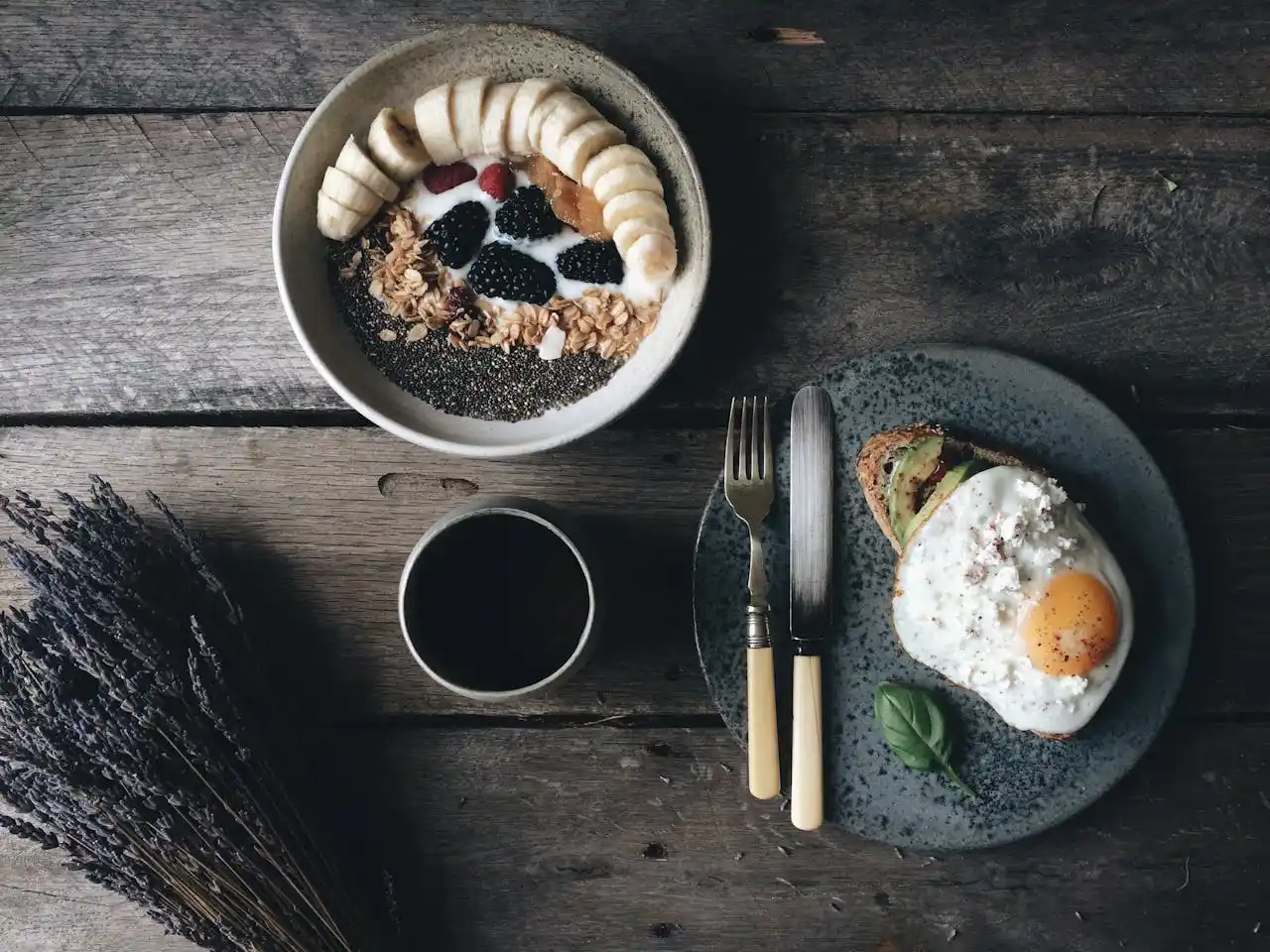
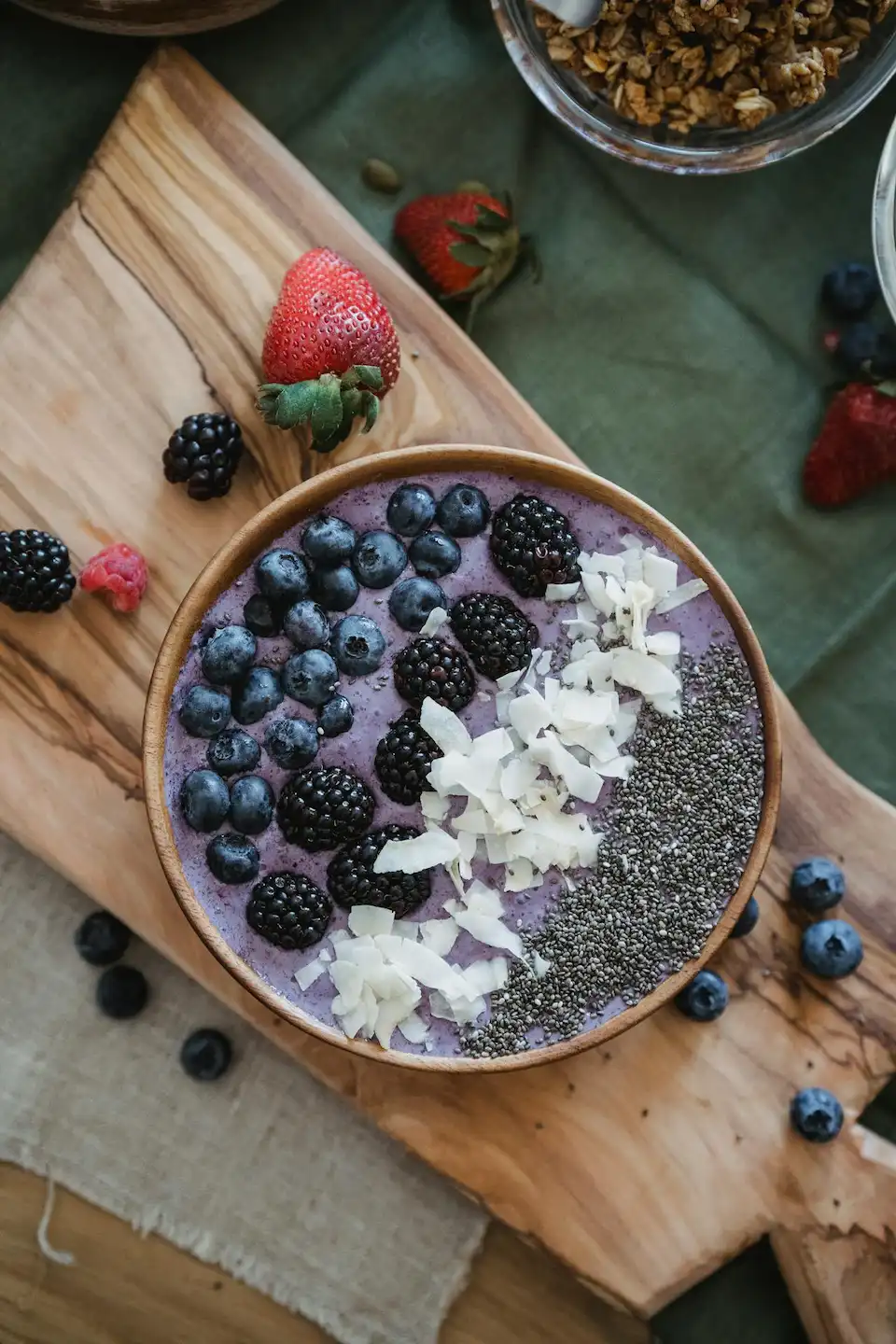
Small Tip: “Make a quick chia pudding by mixing 2 tablespoons chia seeds with 1/2 cup milk (dairy or plant). Stir, wait 10 minutes, stir again, refrigerate overnight. Top with berries. You’ve just made a high‑protein breakfast with zero cooking.”
Benefit #5: They Support Weight Loss (Without Deprivation)
This is the chia seeds benefits for weight loss claim you’ve probably heard about. Is it real? Yes—but not because chia seeds magically melt fat.
How Chia Seeds Help With Weight Loss:
- Fiber expands in your stomach: The soluble fiber in chia seeds can absorb up to 10‑12 times their weight in water, forming a gel. This physically stretches your stomach, sending fullness signals to your brain.
- Slows digestion: The gel also slows the release of sugar into your bloodstream, preventing insulin spikes that lead to fat storage and hunger.
- Reduces calorie intake indirectly: A 2017 study found that people who ate chia seeds for breakfast consumed significantly fewer calories at lunch without even trying.
- Replaces empty calories: Sprinkle chia seeds on oatmeal instead of brown sugar. Use them to thicken smoothies instead of banana or honey. Small swaps add up.
Drink a glass of chia water (1 tablespoon seeds in 12 ounces of water, let sit 10 minutes) 20 minutes before meals. The gel fills your stomach, so you naturally eat less at the meal.
The Reality Check: Chia seeds alone won’t cause weight loss. But as part of a balanced diet, they’re one of the most effective tools for controlling appetite naturally.
Benefit #6: They’re Rich in Omega‑3 Fatty Acids
Omega‑3s are essential fats that reduce inflammation, support brain health, and protect your heart. Most people don’t get enough.
Chia Seeds vs. Other Sources:
|
Source |
Omega‑3 (per serving) |
|---|---|
|
Chia seeds (1 oz) |
5,000 mg |
|
Flax seeds (1 oz) |
6,400 mg |
|
Walnuts (1 oz) |
2,500 mg |
|
Salmon (3 oz) |
1,800 mg |
Important Distinction: Chia seeds contain ALA (alpha‑linolenic acid), a plant‑based omega‑3. Your body must convert ALA to the active forms (EPA and DHA) found in fish. This conversion is inefficient (about 5‑10%). Still, chia seeds are one of the richest plant sources of ALA.
Why This Matters: Even with low conversion rates, the sheer amount of ALA in chia seeds means you’ll still get meaningful amounts of EPA/DHA. Plus, ALA itself has anti‑inflammatory benefits independent of conversion. This is a key health benefit of chia seeds for vegetarians and vegans who don’t eat fish.
Combine chia seeds with foods that enhance ALA conversion—like a small amount of flax oil or walnuts. And avoid excessive omega‑6 intake (vegetable oils, processed foods), which competes with ALA for conversion enzymes.
Benefit #7: They May Reduce Your Risk of Heart Disease
Heart disease is the leading cause of death worldwide. Diet plays a massive role. Chia seeds target multiple risk factors simultaneously.
How Chia Seeds Support Heart Health:
Related Post

The Research: A 2021 meta‑analysis of 10 randomized controlled trials concluded that chia seed supplementation significantly reduced blood pressure and inflammatory markers, especially in people with metabolic disorders.
Add 2 tablespoons of ground chia seeds to your morning oatmeal. Grinding them (use a coffee grinder) makes the nutrients more available. You won’t even notice they’re there.
A small electric coffee grinder works perfectly for grinding chia seeds and flax seeds. It takes 10 seconds and unlocks more nutrients.
Benefit #8: They’re Great for Bone Health
Your bones need more than just calcium. Magnesium, phosphorus, and protein are equally important. Chia seeds provide all three.
Bone‑Supporting Nutrients in 2 Tablespoons of Chia Seeds:
Why This Matters for Women: Women are at higher risk for osteoporosis after menopause. Benefits of chia seeds for women include supporting bone density through multiple pathways. The magnesium alone is crucial—it helps your body use calcium and vitamin D effectively.
Small Tip: “Make a chia seed “pudding” with calcium‑fortified plant milk (like almond or oat milk). You’ll double the calcium boost. Top with a handful of almonds for extra magnesium.”
Benefit #9: They Can Improve Digestive Health
Fiber is your digestive system’s best friend. Chia seeds deliver both soluble and insoluble fiber in abundance.
How It Works:
- Soluble fiber absorbs water and forms a gel, softening stool and making it easier to pass.
- Insoluble fiber adds bulk, helping waste move through your intestines more quickly.
- Prebiotic effect feeds beneficial gut bacteria, which produce short‑chain fatty acids that nourish your colon lining.
Common Results: People who add chia seeds to their diet often report more regular bowel movements, less bloating, and reduced constipation. The gel also soothes irritated gut linings, which may help with conditions like IBS.
Start with 1 tablespoon daily and gradually increase to 2‑3 tablespoons. Adding too much fiber too quickly can cause gas and bloating. Your gut needs time to adjust.
Benefit #10: They’re Incredibly Easy to Add to Almost Any Food
This might be the best benefit of chia seeds of all: they’re practically invisible.
Ways to Use Chia Seeds Daily:
|
Method |
How To |
|---|---|
|
Smoothies |
Add 1 tablespoon before blending. You won’t taste or feel them. |
|
Oatmeal |
Stir in after cooking. They add crunch and nutrition. |
|
Yogurt |
Sprinkle on top or mix in. Let sit 5 minutes to soften. |
|
Salad dressing |
Whisk into vinaigrette as a thickener. |
|
Baked goods |
Replace 1 egg with 1 tablespoon chia seeds + 3 tablespoons water (let sit 5 minutes to gel). |
|
Chia pudding |
Mix 2 tbsp chia + 1/2 cup milk + sweetener. Refrigerate overnight. |
|
Water / lemonade |
Stir into water, let sit 10 minutes. Drink the gel. |
|
Jam |
Mash berries, add chia seeds, let sit. No cooking required. |
No Taste, No Texture Issues (If Done Right):
- In smoothies: Completely undetectable.
- In oatmeal: Adds a slight crunch (like poppy seeds).
- In pudding: Creates a tapioca‑like texture (some love it, some don’t).
- In water: The gel can feel slimy if you’re not used to it. Start with small amounts.
If you dislike the gel texture, grind chia seeds into a fine powder using a coffee grinder. Add the powder to smoothies or sauces. You get all the nutrition without any texture at all.
A high‑speed blender makes it effortless to blend chia seeds into smoothies where they disappear completely.
Chia Seeds Benefits and Side Effects: What to Watch For
Chia seeds are safe for most people, but nothing is perfect for everyone.
Potential Side Effects:
|
Side Effect |
Why It Happens |
How to Avoid |
|---|---|---|
|
Digestive discomfort |
Too much fiber too fast |
Start with 1 tbsp daily, increase slowly |
|
Choking risk |
Dry chia seeds expand in the throat |
Always soak chia seeds before eating if dry; never swallow them dry |
|
Blood thinning (theoretical) |
High omega‑3s have mild blood‑thinning effects |
If you’re on blood thinners (like warfarin), ask your doctor |
|
Lowered blood pressure (beneficial but monitor) |
Chia seeds naturally lower BP |
If you have low BP, start with smaller amounts |
|
Allergic reaction |
Rare, but possible |
Stop if you notice itching, hives, or swelling |
The Most Important Safety Rule: Never eat dry chia seeds without liquid. They absorb water rapidly. If you swallow a tablespoon of dry seeds and then drink water, they can expand in your esophagus and cause a blockage. Always mix chia seeds into liquid first, or soak them for at least 10 minutes.
Who Should Be Cautious:
Small Tip: “If you’re new to chia seeds, start with chia water: 1 teaspoon seeds in a large glass of water, stir, let sit 15 minutes, drink. Work up to 1 tablespoon over 2 weeks. Your gut will adapt gradually.”
How to Choose and Store Chia Seeds
White vs. Black Chia Seeds: Nutritionally identical. White seeds are slightly milder in taste and blend better into light‑colored foods. Black seeds are more common. Choose either.
Whole vs. Ground: Whole seeds last longer (years). Ground seeds go rancid faster (weeks). Grind only what you’ll use in a week. Or buy whole and grind as needed.
Organic vs. Conventional: Chia seeds are grown with relatively few pesticides. Conventional is fine. Organic is a personal choice.
Where to Buy: Most grocery stores carry chia seeds in the baking or health food section. Online is often cheaper for bulk.
A 1‑pound bag of organic chia seeds lasts for months and is more economical than small jars.
For easy portioning, a set of small spoons with measurements helps you grab exactly 1 tablespoon every time.
And if you want to make chia pudding in style, a glass jar set with lids lets you prep several days’ worth at once.
Quick Start: 3 Easy Chia Seed Recipes
1. Basic Chia Pudding
- 2 tbsp chia seeds
- 1/2 cup milk (dairy, almond, coconut)
- 1 tsp maple syrup or honey
- Mix, wait 10 minutes, stir again, refrigerate overnight. Top with berries.
2. Chia Lemonade
- 1 tbsp chia seeds
- 12 oz water
- Juice of 1 lemon
- 1 tsp honey or stevia
- Stir, let sit 15 minutes, drink. The gel is refreshing and filling.
3. Chia Jam (No Cooking)
- 2 cups fresh or frozen berries
- 2 tbsp chia seeds
- 1-2 tbsp maple syrup
- Mash berries with a fork. Stir in chia and sweetener. Let sit 30 minutes. Use on toast, yogurt, or oatmeal.
Frequently Asked Questions
Small Seeds, Big Impact
Chia seeds are proof that good things come in small packages. They’re affordable, shelf‑stable, versatile, and packed with nutrients that support weight loss, heart health, digestion, bones, and more.
Related Post
No posts
The benefits of chia seeds are so broad that almost anyone can benefit from adding them to their diet. Whether you soak them in water, blend them into smoothies, sprinkle them on oatmeal, or make pudding, you’re giving your body a gift of fiber, protein, omega‑3s, and antioxidants.
Start small. One tablespoon today. Let it soak. Eat it with breakfast. Notice how you feel—fuller, more regular, maybe even a little more energetic.
Then do it again tomorrow.
Your future self will thank you for these tiny, mighty seeds.