I used to be a coffee person. The stronger, the better. Dark roast, black, no sugar – I loved the bitter punch and the instant jolt. But somewhere along the way, that jolt started feeling different. More like anxiety. More like an afternoon crash. More like my stomach was staging a protest.
Then I discovered matcha. And I haven’t looked back.
Matcha isn’t just a trendy green powder. It’s whole, ground tea leaves – you consume the entire leaf, not just a steeped infusion. That means more antioxidants, more sustained energy, and a completely different experience than coffee.
This guide explores 7 benefits of matcha vs coffee, diving into matcha vs coffee weight loss, calming matcha benefits for mental clarity, and answering is matcha better than coffee for anxiety. By the end, you’ll understand why so many people (including me) are making the switch.
🍃 What Is Matcha? (And Why It’s Different)
Matcha is shade‑grown green tea. Farmers cover the tea plants weeks before harvest, forcing the leaves to produce more chlorophyll and L‑theanine (a calming amino acid). After harvest, the stems and veins are removed, and the leaves are stone‑ground into a fine, vibrant green powder.
Coffee vs Matcha at a Glance:
|
Feature |
Matcha |
Coffee |
|---|---|---|
|
Form |
Whole ground tea leaves |
Brewed bean extract |
|
Caffeine (per serving) |
35‑70 mg |
95‑165 mg |
|
Key compound |
L‑theanine (calm focus) |
Caffeine alone |
|
Antioxidants (ORAC score) |
~1,300 per gram |
~200‑400 per gram |
|
Energy curve |
Smooth, 4‑6 hours |
Spike, then crash |
|
Stomach sensitivity |
Gentle |
Can be acidic |
Ceremonial grade matcha is the highest quality – vibrant green, smooth, and naturally sweet. Culinary grade is more bitter, better for baking.
Benefits of Matcha vs Coffee
1. Calm, Focused Energy (No Jitters, No Crash)
This is the #1 reason people switch from coffee to matcha.
How Coffee Works: Caffeine blocks adenosine (the “tired” chemical). But it does nothing to counteract the nervous system activation. That’s why coffee can make you feel jittery, anxious, or wired.

How Matcha Works: Matcha contains L‑theanine – an amino acid that increases GABA, serotonin, and dopamine. L‑theanine promotes relaxation without drowsiness. When combined with caffeine, it creates a state of calm alertness. You feel focused, not frantic.
The Research: A 2008 study found that participants who consumed L‑theanine with caffeine had improved attention and reduced mental fatigue compared to caffeine alone.
What You’ll Feel: Smooth energy that lasts 4‑6 hours. No afternoon crash. No racing heart. No shaky hands.
If you’re sensitive to caffeine but want energy, start with 1/2 teaspoon of matcha (about 35mg caffeine – less than half a cup of coffee).
2. Is Matcha Good for You? Yes – Unbelievable Antioxidant Power
Coffee is high in antioxidants. Matcha is in a different league.
The Numbers: Matcha has an ORAC score (measure of antioxidant capacity) of about 1,300 per gram – roughly 5‑10 times higher than coffee. One cup of matcha delivers the antioxidant equivalent of 10 cups of brewed green tea.
Why It Matters: Antioxidants neutralize free radicals, reduce inflammation, protect your skin, and lower the risk of chronic disease. The star compound is EGCG (epigallocatechin gallate), which has been studied for cancer prevention, heart health, and fat burning.
Look for bright, vibrant green matcha. Dull yellow‑green indicates oxidation – fewer antioxidants.
A ceremonial grade matcha starter set includes a whisk, scoop, and bowl – everything you need to prepare matcha traditionally.
3. Is Matcha Better Than Coffee for Anxiety? Yes, Unquestionably
Is matcha better than coffee for anxiety? For most people, absolutely.
Why Coffee Can Worsen Anxiety: Caffeine alone stimulates the sympathetic nervous system (“fight or flight”). For people prone to anxiety, that stimulation can trigger or amplify anxious feelings – rapid heartbeat, nervousness, rumination.

Why Matcha Calms Anxiety: L‑theanine increases GABA, which has a calming effect on the brain. Multiple studies have shown that L‑theanine reduces stress and anxiety in people exposed to stressful conditions.
Personal Experience: I noticed the difference within days. No more mid‑morning dread. No more feeling “wired but tired.” Just steady, focused, calm.
If you’re currently anxious and drinking coffee, try swapping one cup for matcha. Most people feel calmer within a week.
4. Matcha vs Coffee Weight Loss – Which Wins?
Matcha vs coffee weight loss is a close race, but matcha has a unique edge.
How Coffee Helps: Caffeine boosts metabolism by 7‑11% and increases fat oxidation during exercise.
How Matcha Helps: Matcha does all of the above, plus EGCG has been shown to specifically target visceral fat (the dangerous belly fat). A 2018 meta‑analysis found that green tea catechins (especially EGCG) significantly reduced body fat and waist circumference.
Related Post
The Winner: Matcha edges out coffee for weight loss because of the added EGCG effect. But both work best when you drink them black (no sugar, no cream).
Practical Tip: “Drink a cup of matcha 30 minutes before your workout. The combination of caffeine and EGCG increases fat burning more than caffeine alone.”
5. Matcha Is Gentle on Your Stomach (Coffee Isn’t)
Coffee is acidic – pH around 4.5‑5.5. For many people, that acidity causes heartburn, indigestion, or that “sour stomach” feeling.
Matcha, on the other hand, is much less acidic (pH 6‑7, nearly neutral). Because you’re consuming the whole leaf powder, it also contains fiber and chlorophyll, which can soothe the digestive tract.
Who Benefits: People with GERD, acid reflux, or sensitive stomachs often tolerate matcha far better than coffee.
If you love coffee but it upsets your stomach, try matcha for two weeks. Many people find they don’t miss the acidity at all.
6. Matcha Supports Brain Function Long‑Term
Both coffee and matcha improve short‑term focus. But matcha may have an edge for long‑term brain health.
The Research: EGCG (the main catechin in matcha) has been shown to protect neurons from oxidative damage, reduce inflammation in the brain, and may help prevent the buildup of amyloid plaques (linked to Alzheimer’s).
A 2020 study found that regular green tea consumption was associated with lower rates of cognitive decline in older adults.
Plus the L‑Theanine Factor: The calm‑focus state from matcha also improves working memory and attention switching – better than caffeine alone.
For brain health, drink matcha consistently over the years. The benefits are cumulative – every cup adds protection.
7. Matcha Gives You Sustained Energy for Hours (No Crash)
This is the most noticeable benefit of matcha vs coffee in daily life.
Coffee’s Curve: Caffeine peaks quickly (30‑60 minutes), then drops sharply. That drop triggers fatigue, irritability, and cravings for sugar or more caffeine.
Matcha’s Curve: Caffeine is released slowly because it’s bound to the leaf’s fiber and balanced by L‑theanine. The energy builds gradually, plateaus, and declines gently over 4‑6 hours.
Drink matcha between 9‑11 AM, after your natural cortisol peak. That timing extends energy without disrupting sleep.
What You’ll Notice: No 2 PM slump. No urgent need for a second cup. Just steady, reliable energy to get through your workday and workout.
🍵 How to Prepare Matcha (Traditional Method)
Matcha vs coffee also differs in preparation. Coffee is passive – you press a button. Matcha is active – you whisk it into a frothy ritual.
Equipment Needed:
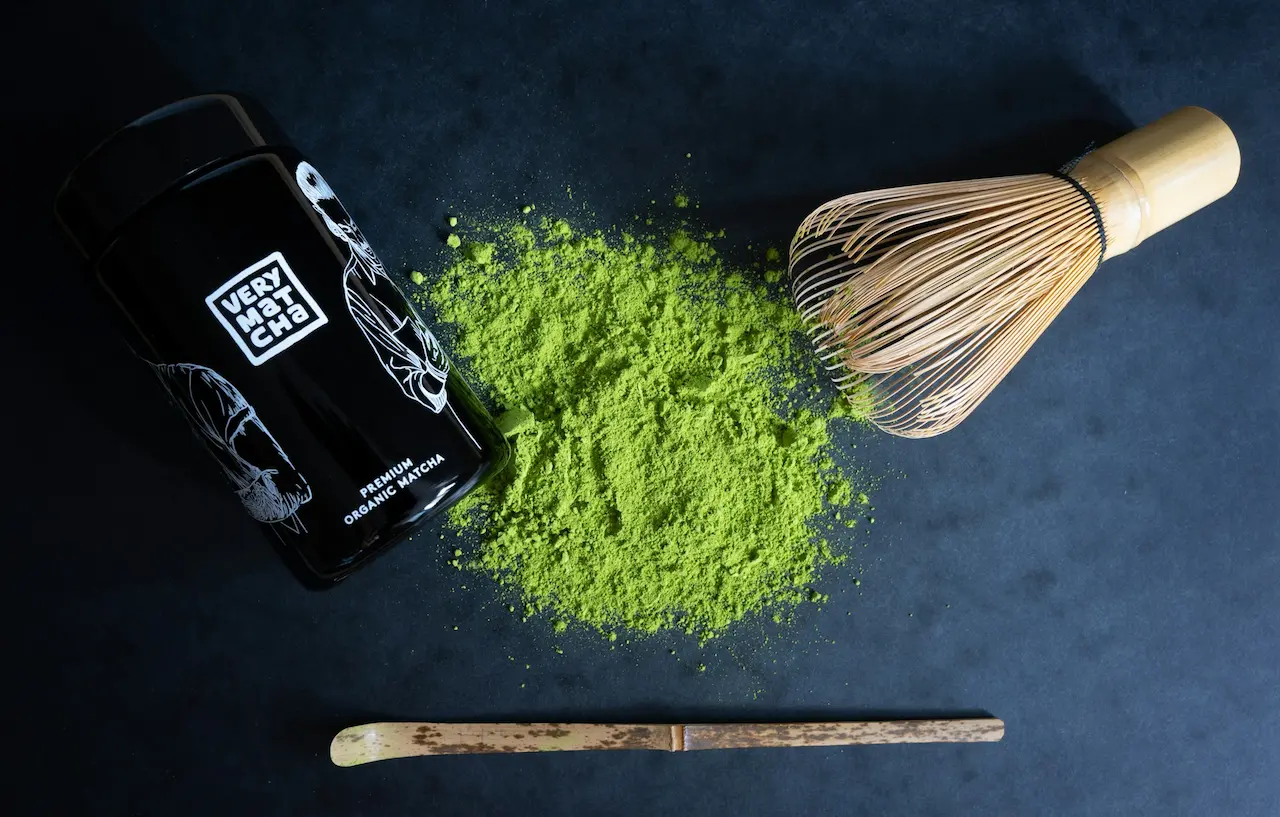
- Chasen (bamboo whisk) – creates the froth
- Chashaku (bamboo scoop) – measures the powder
- Matcha bowl (or any wide, shallow bowl) – room to whisk
- Sifter – removes clumps
Step‑by‑Step:
- Sift 1/2 to 1 teaspoon of matcha into your bowl (breaks clumps).
- Add 2 oz of hot water (175°F / 80°C – not boiling!).
- Whisk vigorously in a “W” or “M” motion, not circles, until frothy.
- Add remaining 4‑6 oz of hot water (or cold water for iced matcha).
- Enjoy immediately.
Use 175°F water – never boiling. Boiling water makes matcha bitter and destroys delicate antioxidants.
A traditional matcha whisk set (chasen + chashaku + bowl) gives you everything you need to prepare matcha the authentic way.
Matcha vs Coffee: Which Should You Choose?
|
You should choose Matcha if… |
You should choose Coffee if… |
|---|---|
|
You have anxiety or jitters. |
You tolerate caffeine well and love the punch |
|
You want steady, all‑day energy |
You don’t mind the afternoon crash |
|
You have a sensitive stomach |
Acidic drinks don’t bother you |
|
You want maximum antioxidants |
You just want caffeine, fast |
|
You enjoy a calming morning ritual |
You prefer push‑button convenience |
The Hybrid Approach: Many people drink matcha in the morning (for calm focus) and coffee mid‑morning or pre‑workout (for a performance boost). Listen to your body.
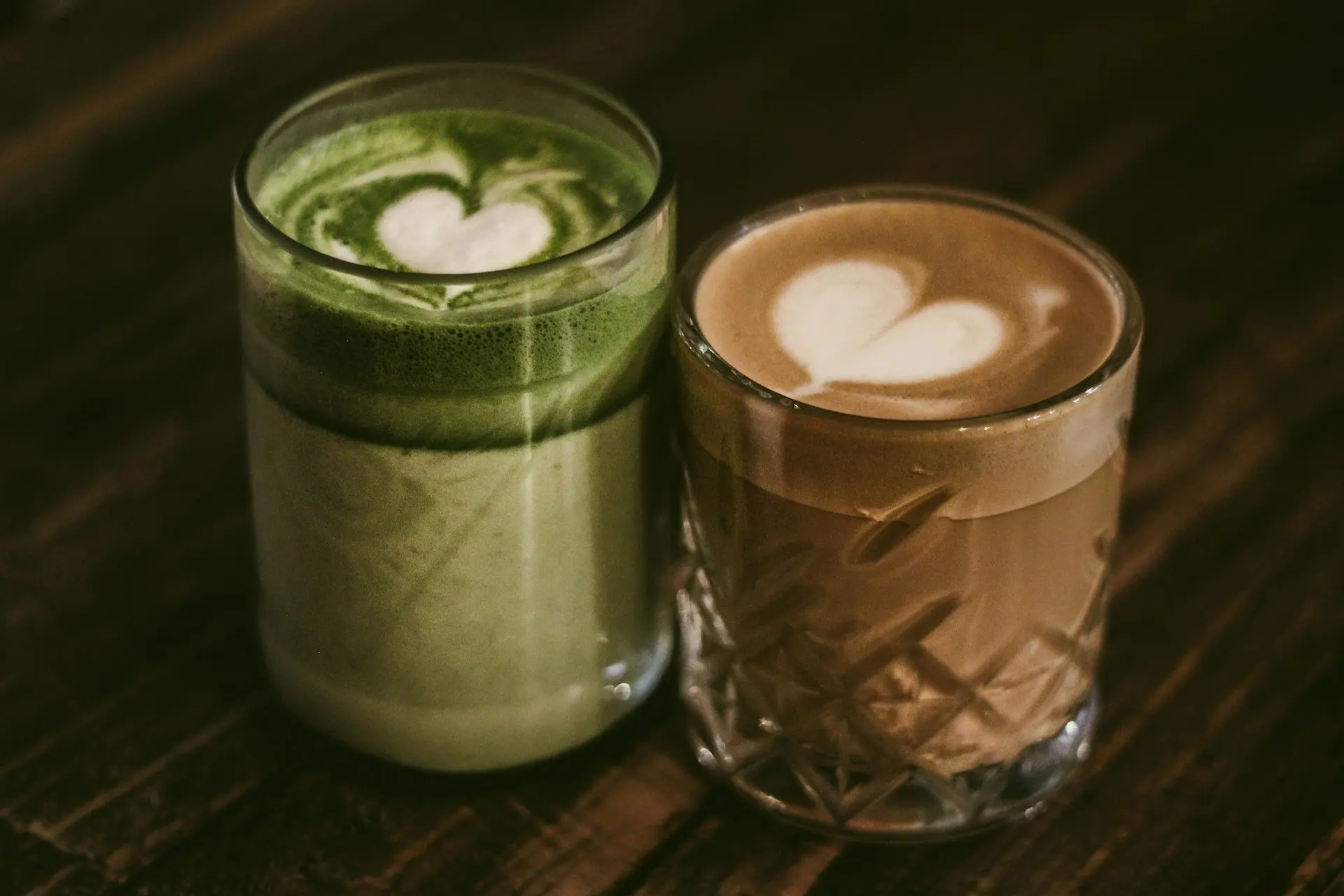
Try a two‑week matcha trial. Replace your daily coffee with matcha. After 14 days, notice your anxiety, sleep, and energy. Most people feel a clear difference.
Iced Matcha vs Iced Coffee (Summer Edition)
Both are refreshing, but iced matcha has a unique advantage: it doesn’t get watery as ice melts.
Iced Matcha Recipe:
- Whisk 1 tsp matcha with 2 oz hot water (175°F) until frothy.
- Fill a tall glass with ice.
- Pour matcha over ice.
- Top with cold water or unsweetened almond milk.
- Stir and enjoy.
Related Post
Why It’s Better: Because matcha is a suspension (particles floating in water), not a solution (dissolved solids), it stays flavorful even as ice melts. Iced coffee quickly becomes watery and bitter.
For a protein‑packed iced latte, add a scoop of vanilla protein powder to your iced matcha and blend. Delicious post‑workout.
A reusable stainless steel straw set makes iced matcha more enjoyable and eco‑friendly.
Potential Downsides of Matcha
Matcha isn’t perfect for everyone.
|
Concern |
Reality |
|---|---|
|
Cost |
High‑quality matcha is more expensive than coffee ($1‑3 per serving vs $0.30‑0.50) |
|
Taste |
Some people dislike the grassy, umami flavor (acquired taste) |
|
Preparation |
Takes 2‑3 minutes vs 30 seconds for coffee |
|
Caffeine sensitivity |
Still contains caffeine – avoid late afternoon if you’re sensitive |
If you dislike the taste of pure matcha, blend it into smoothies, oatmeal, or protein balls. The flavor disappears, but the benefits remain.
Why I Switched (And You Might Too)
I didn’t quit coffee because I hated it. I quit because my body was telling me to. The anxiety, the crashes, the stomach aches – they weren’t “normal.” They were signals.
Matcha gave me the same morning ritual, the same warm cup in my hands, the same gentle energy lift. But without the side effects. My mind is clearer. My mood is calmer. My workouts feel fueled, not frantic.
The benefits of matcha vs coffee are personal. You might try matcha and go right back to coffee. But if you’re curious – if you’ve ever wondered “is matcha good for you” or “matcha or coffee is healthier” – give it a real try.
Two weeks. One cup a day. Then decide.
Your calm, focused energy is waiting.