You bought that big tub of protein powder with good intentions. Maybe you made a few shakes. Maybe you even forced down a chalky, lumpy one or two. And now? It’s sitting in your pantry, half‑full, slowly expiring.
Here’s the thing: protein powder doesn’t have to be boring. It doesn’t have to taste like flavored cardboard. And you definitely don’t have to drink it plain.
The secret is using protein powder as an ingredient—not just a beverage. You can bake with it. Blend it into desserts. Turn it into frosting, pudding, even brownies that taste like the real thing but pack 20 grams of protein.
This guide delivers 15 sweet recipes using protein powder that actually taste good. We’re talking brownies, cookies, mug cakes, cheesecake, pancakes, and more. You’ll learn how to make a protein shake that doesn’t suck, how to make protein shakes taste better, and healthy recipes with protein powder that satisfy your sweet tooth while fueling your muscles.
No weird ingredients. No “healthy” taste that you have to tolerate. Just delicious, protein‑packed desserts you’ll crave.
Let’s bake.
Part 1: Protein Powder Basics
Not all protein powders work equally in recipes. Here’s what you need to know.
Best Protein Powders for Baking and Sweet Recipes:
|
Type |
Works Well? |
Notes |
|---|---|---|
|
Whey (concentrate or isolate) |
Yes |
Best texture, most reliable |
|
Casein |
Yes |
Thicker, better for pudding and no‑bake |
|
Plant (pea, rice, soy) |
Sometimes |
Can be gritty; add extra liquid |
|
Collagen |
No |
Doesn’t bind or bake well |
Whey isolate is the gold standard for baking. It mixes cleanly, doesn’t add weird flavors, and creates a texture closest to real flour.
Tip for Success: Protein powder absorbs more moisture than flour. Always add a little extra liquid (milk, water, yogurt) to compensate. If your batter looks too dry, add a tablespoon at a time until it looks right.
Invest in a kitchen scale. Protein powders vary in density. 1/4 cup of one brand might weigh 20g; another might weigh 30g. Baking is science—grams are more accurate than cups.
A digital kitchen scale with gram precision ensures your protein treats turn out perfectly every time.
Part 2: 15 Sweet Protein Powder Recipes
Recipe #1: The Best Protein Brownies (Fudgy, Not Cakey)
These brownies are the star of this list. They’re fudgy, chocolatey, and no one guesses they’re high‑protein.
Ingredients:
How to Make:
- Preheat oven to 350°F (175°C). Line an 8×8 pan with parchment paper.
- In a bowl, whisk eggs, yogurt, maple syrup, and milk.
- Add protein powder, cocoa powder, almond flour, baking powder, salt. Mix until just combined (don’t overmix).
- Fold in chocolate chips if using.
- Pour into pan, spread evenly. Bake 15‑18 minutes. Toothpick should come out with a few moist crumbs (not wet batter).
- Cool completely before cutting (they firm up as they cool).
Don’t overbake! Protein brownies dry out faster than regular brownies. Pull them when the center is still slightly soft. They’ll set as they cool.
Nutrition (per brownie, 9 brownies): ~130 calories, 10g protein, 5g fat, 12g carbs
Recipe #2: Microwave Protein Mug Cake (90 Seconds)
This is the ultimate lazy dessert. One mug, one minute, zero cleanup.
Ingredients:
How to Make:
- In a microwave‑safe mug, whisk egg and milk.
- Add protein powder and baking powder. Mix until smooth.
- Microwave 60‑90 seconds. Watch carefully—it rises quickly.
- Let cool 1 minute. Eat straight from the mug.
Variations:
- Peanut butter: Add 1 tbsp peanut butter before microwaving.
- Berry: Stir in 2 tbsp frozen berries.
- Cinnamon roll: Add 1/4 tsp cinnamon and 1 tsp vanilla.
Microwave power varies. Start with 60 seconds, then add 10‑second bursts. Overcooked mug cake turns into rubber. Undercooked is better—it finishes cooking as it cools.
Nutrition: ~220 calories, 25g protein, 8g fat, 6g carbs
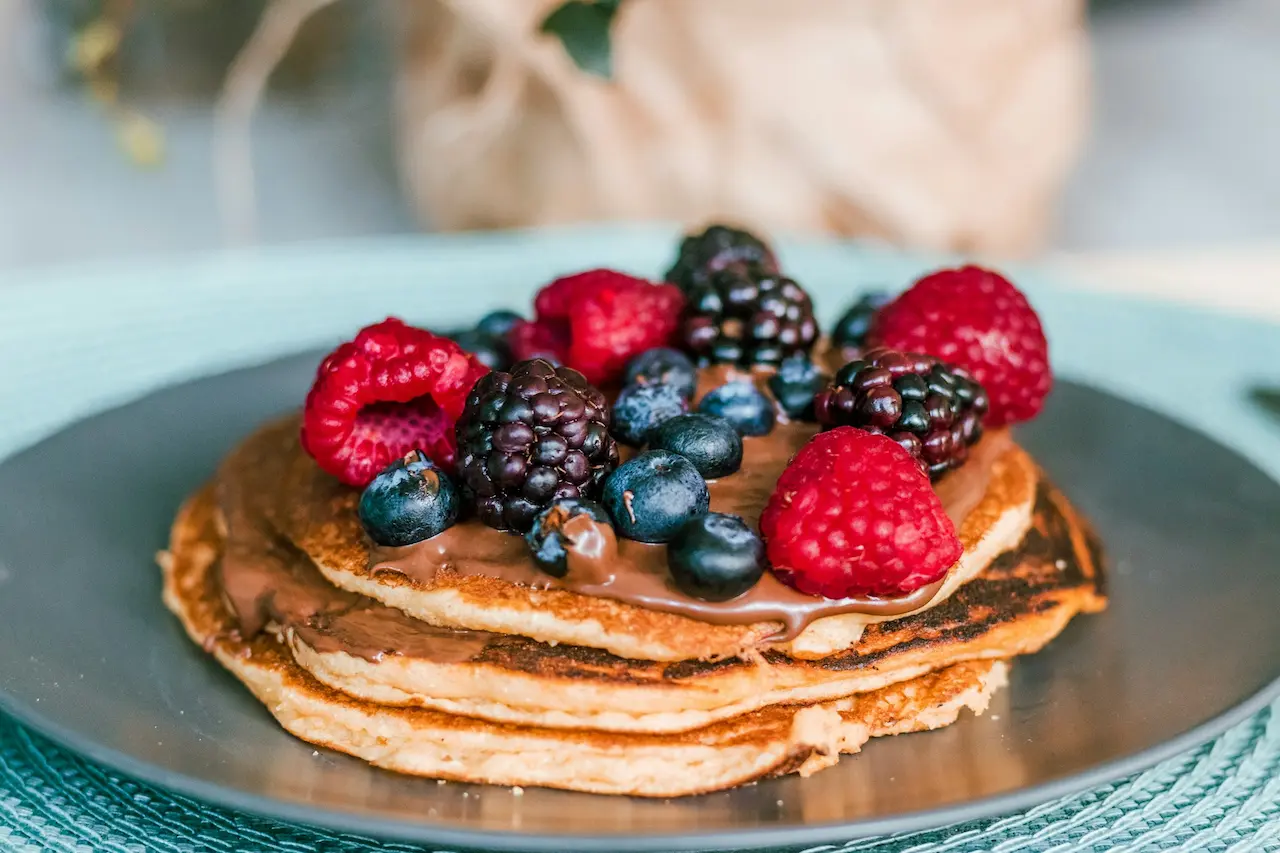
Recipe #3: Protein Pancakes (Fluffy, Not Rubbery)
These taste like real pancakes but keep you full for hours.
Ingredients:
How to Make:
- Blend oats into fine flour (or use oat flour).
- Mix all ingredients in a bowl. Batter should be thick but pourable.
- Heat a non‑stick pan over medium heat. Lightly grease.
- Pour 1/4 cup batter per pancake. Cook 2‑3 minutes until bubbles form, flip, cook 1‑2 more minutes.
- Top with berries, Greek yogurt, or sugar‑free syrup.
Nutrition (3 pancakes): ~350 calories, 30g protein, 10g fat, 35g carbs
Small Tip: “Let the batter sit for 5 minutes before cooking. The protein powder absorbs liquid, making the pancakes fluffier. If it’s too thick, add a splash of milk.”
Recipe #4: No‑Bake Protein Cheesecake
No oven required. This tastes like real cheesecake but with 20g protein per slice.
Ingredients for Crust:
Ingredients for Filling:
How to Make:
- Mix crust ingredients, press into a 6‑inch springform pan (or line a loaf pan).
- In a bowl, beat cream cheese until smooth. Add yogurt, honey, vanilla.
- Add protein powder gradually, mixing well.
- Spread filling over crust. Refrigerate 4+ hours (overnight is best).
- Slice and serve cold.
For a chocolate version, replace vanilla protein with chocolate protein and add 2 tbsp cocoa powder to the filling. Top with melted dark chocolate.
Nutrition (1/8 of cheesecake): ~280 calories, 20g protein, 18g fat, 10g carbs
Recipe #5: Protein Chocolate Chip Cookies
Soft, chewy, and packed with protein. These disappear fast.
Ingredients:
How to Make:
- Preheat oven to 350°F (175°C). Line a baking sheet.
- Cream butter and sugar. Add egg, mix.
- Add protein powder, almond flour, baking soda, salt. Mix until dough forms (it will be thick).
- Fold in chocolate chips.
- Roll into 1‑inch balls, place on sheet, flatten slightly.
- Bake 8‑10 minutes. They will look slightly underdone—that’s perfect.
- Cool on sheet for 5 minutes, then transfer.
Nutrition (per cookie, 12 cookies): ~120 calories, 8g protein, 7g fat, 8g carbs
Small Tip: “Don’t overbake! Protein cookies go from perfect to dry in 60 seconds. Pull them when edges are just golden and centers are still soft.”
Recipe #6: Protein Pudding (3 Ingredients)
This is the easiest recipe on the list. It’s thick, creamy, and tastes like dessert.
Ingredients:
How to Make:
- Mix protein powder and Greek yogurt until smooth.
- Add milk gradually until you reach your desired consistency.
- Refrigerate 15 minutes to thicken further.
- Top with berries, nuts, or chocolate shavings.
Variations:
- Peanut butter cup: Use chocolate protein + 1 tbsp peanut butter
- Strawberry: Use vanilla protein + 2 tbsp mashed strawberries
- Cookies & cream: Use vanilla protein + crushed chocolate cookie
For the best texture, use a blender. Greek yogurt + protein powder can be lumpy if mixed by hand. Ten seconds in a blender makes it silky smooth.
Nutrition: ~200 calories, 30g protein, 4g fat, 10g carbs
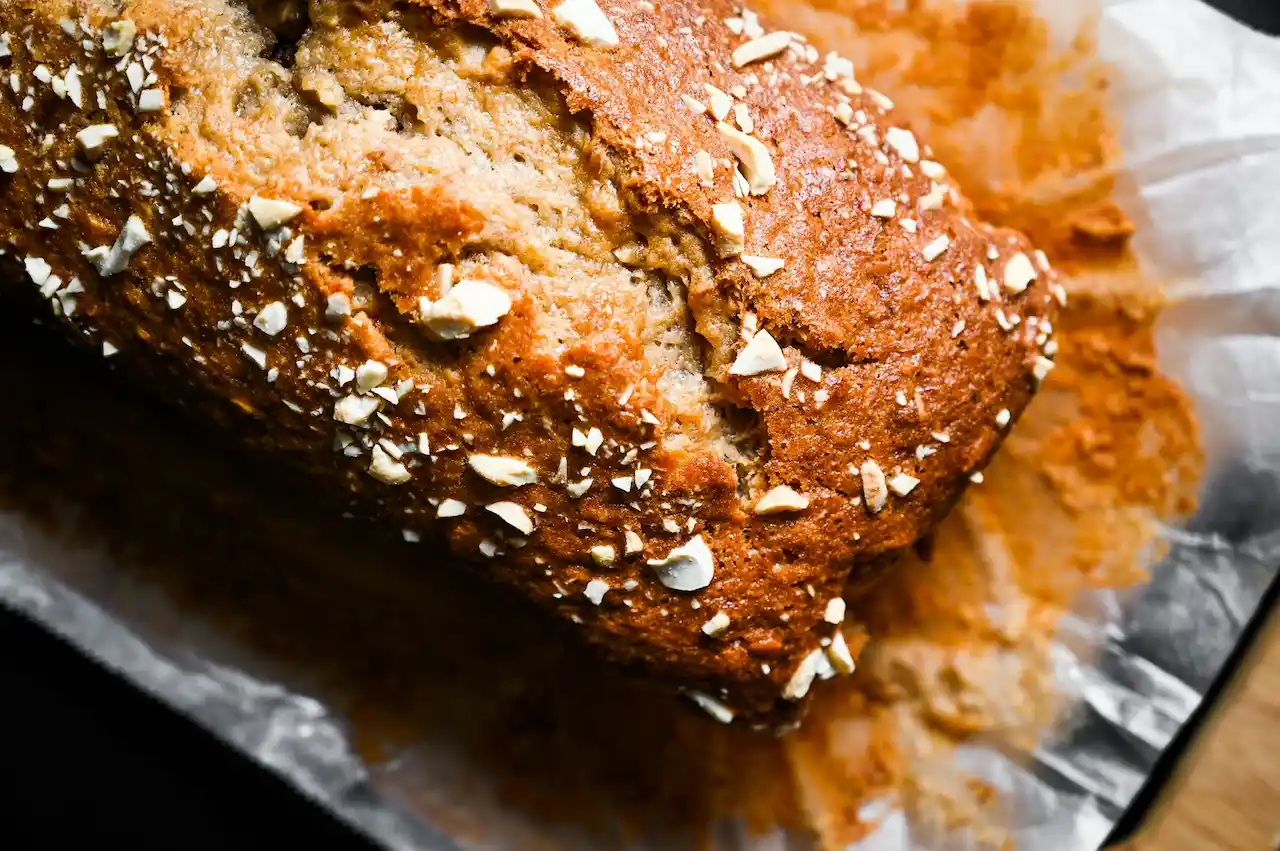
Recipe #7: Protein Banana Bread
Moist, sweet, and perfect for using up spotty bananas.
Ingredients:
How to Make:
- Preheat oven to 350°F (175°C). Grease a loaf pan.
- Mash bananas in a bowl. Add eggs, yogurt, honey, mix.
- Add protein powder, oat flour, baking soda, cinnamon. Mix until just combined.
- Fold in walnuts.
- Pour into pan, bake 35‑40 minutes. Toothpick should come out clean.
- Cool 10 minutes in pan, then transfer to rack.
Nutrition (1 slice, 10 slices): ~160 calories, 10g protein, 4g fat, 22g carbs
Small Tip: “Use very ripe bananas (brown spots). They’re sweeter and mash easier. If your bananas aren’t ripe enough, microwave them for 30 seconds to soften.”
Recipe #8: Protein Frosting (For Cakes, Pancakes, or Spoon)
This frosting is thick, creamy, and adds 5g protein per serving.
Ingredients:
How to Make:
- Beat cream cheese until smooth.
- Add protein powder and vanilla. Mix well.
- Add milk gradually until you reach frosting consistency.
- Spread on protein pancakes, mug cake, or eat with a spoon.
Small Tip: “This frosting is naturally less sweet than traditional buttercream. If you want it sweeter, add a few drops of liquid stevia or a tablespoon of powdered monk fruit.”
Related Post
Recipe #9: Protein Rice Krispie Treats
A childhood classic, now with 8g protein per bar.
Ingredients:
How to Make:
- In a large pot, melt butter over low heat. Add marshmallows, stir until melted.
- Add milk and protein powder, stir until smooth.
- Remove from heat. Add cereal, stir until coated.
- Press into a greased 9×9 pan using wet hands (prevents sticking).
- Cool completely, cut into bars.
Press the mixture firmly into the pan. If you press too lightly, bars will crumble. Use a piece of wax paper on top to press down without sticking.
Nutrition (per bar, 12 bars): ~140 calories, 8g protein, 5g fat, 18g carbs
Recipe #10: Protein Hot Chocolate
Cold winter night? This hot chocolate is creamy, rich, and packed with protein.
Ingredients:
How to Make:
- Heat milk in a saucepan or microwave until hot (not boiling).
- In a mug, whisk protein powder and cocoa powder.
- Pour a little hot milk into the mug, whisk into a paste.
- Add remaining milk, whisk vigorously.
- Top with whipped cream if desired.
Small Tip: “Don’t add protein powder to boiling milk. High heat denatures whey and makes it clump. Heat milk to 150‑160°F (steaming but not bubbling).”
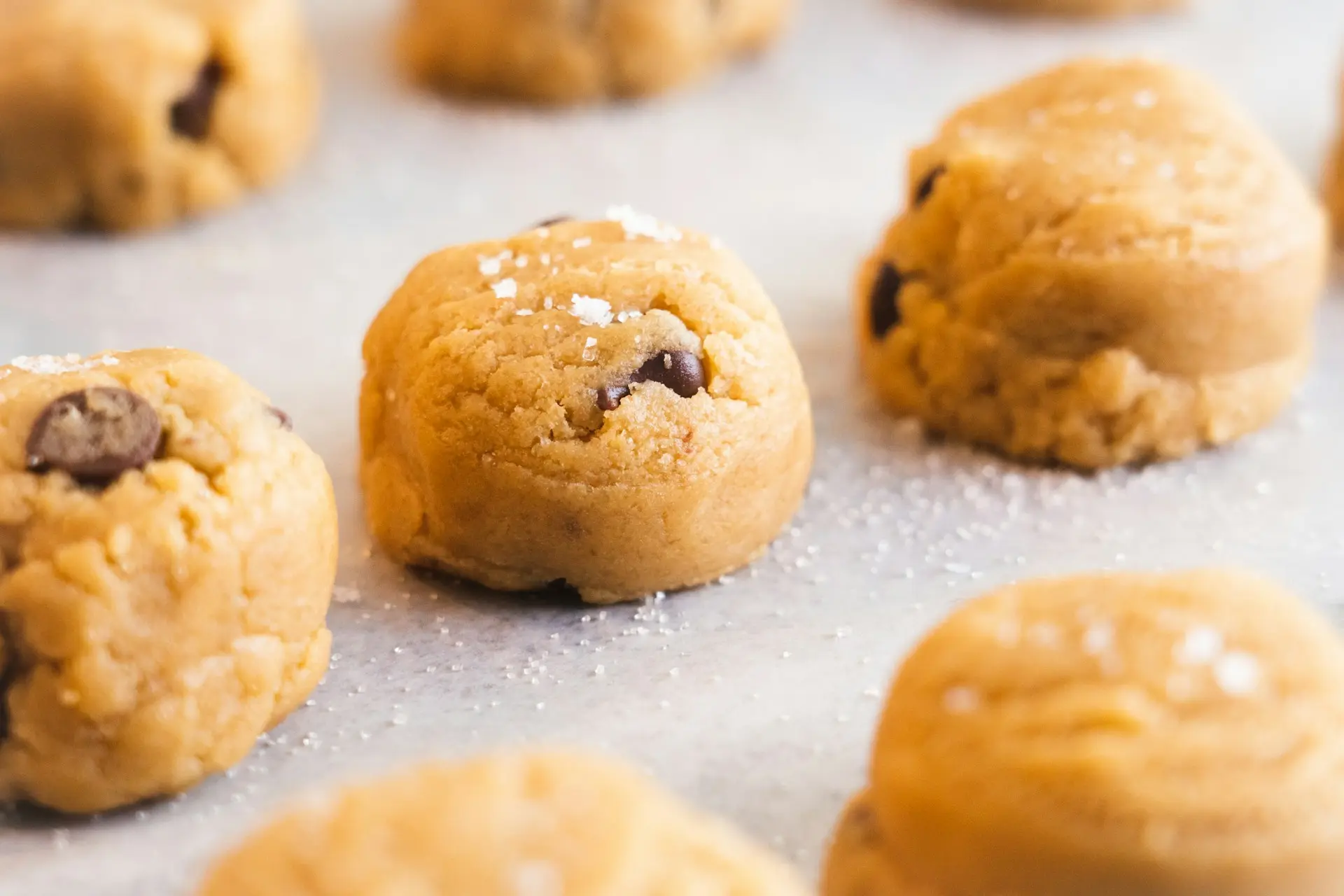
Recipe #11: Protein Cookie Dough (Edible, No Egg)
Safe to eat raw. This tastes like the real thing.
Ingredients:
How to Make:
- Mix protein powder, almond flour, salt.
- Add softened coconut oil, maple syrup, milk. Mix until dough forms.
- Fold in chocolate chips.
- Eat immediately or roll into balls and refrigerate.
Nutrition (1/4 of batch): ~200 calories, 18g protein, 12g fat, 10g carbs
Small Tip: “If dough is too dry, add milk 1 teaspoon at a time. If too wet, add a little more protein powder. The texture should be like real cookie dough—slightly crumbly but holds together when pressed.”
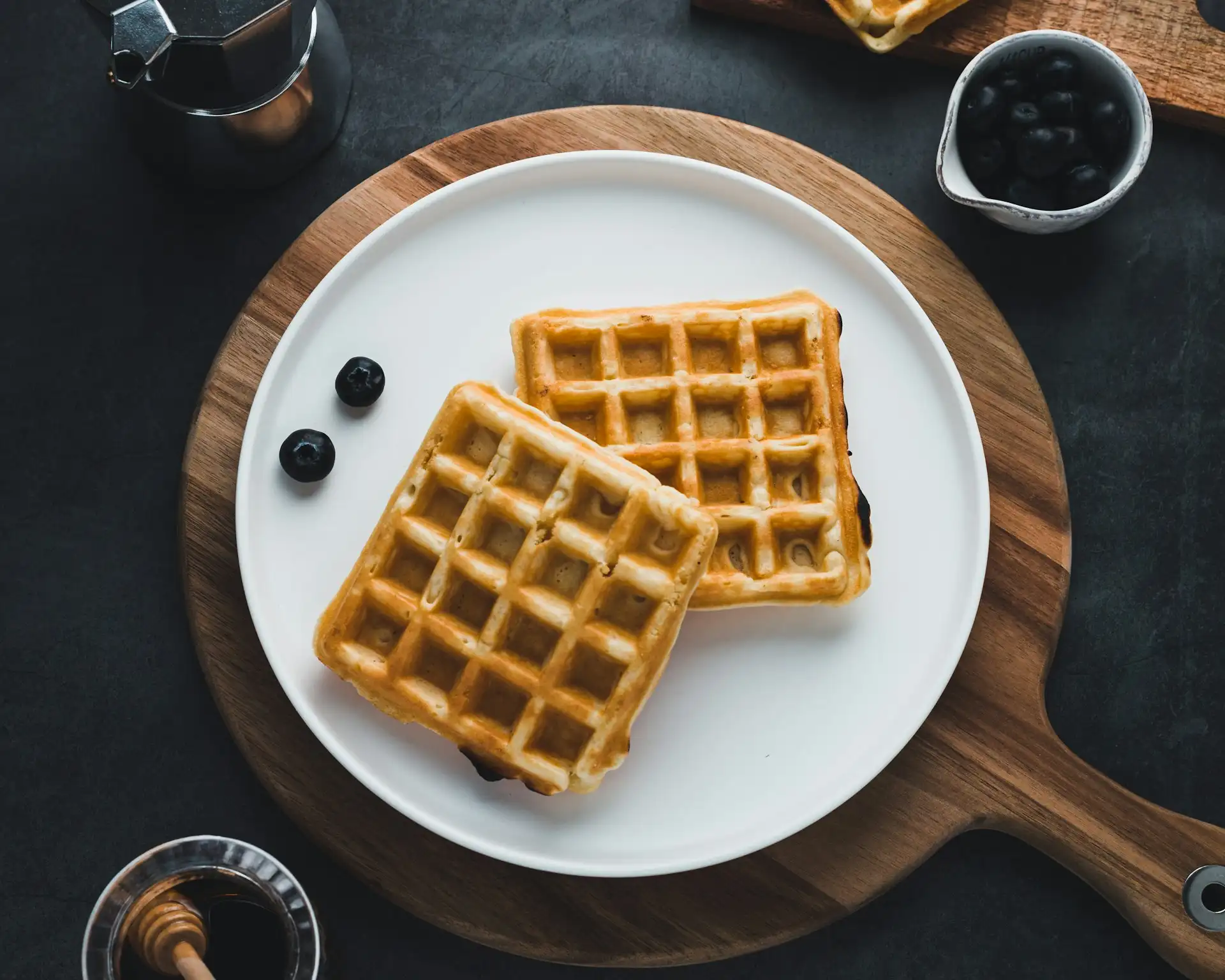
Recipe #12: Protein Waffles
Crispy outside, fluffy inside. These waffles are a weekend game‑changer.
Ingredients:
How to Make:
- Preheat waffle iron.
- Whisk eggs, yogurt, milk, vanilla.
- Add protein powder, oat flour, baking powder. Mix until smooth.
- Cook according to waffle iron instructions (usually 3‑5 minutes).
- Top with berries, Greek yogurt, or sugar‑free syrup.
Waffle irons vary. If your first waffle sticks, you didn’t use enough oil. Brush both grids with coconut oil before the first batch, even on non‑stick surfaces.
Nutrition (2 waffles): ~320 calories, 30g protein, 12g fat, 25g carbs
Recipe #13: Protein Chocolate Mousse
Light, airy, and decadent. No one guesses this is healthy.
Ingredients:
How to Make:
- Chill a mixing bowl and beaters in the freezer for 10 minutes.
- Pour cold cream into bowl. Whip until soft peaks form.
- Add protein powder, cocoa powder, sweetener, vanilla. Whip until stiff peaks form.
- Spoon into glasses, refrigerate 1 hour before serving.
Nutrition (1/4 of recipe): ~250 calories, 20g protein, 18g fat, 5g carbs
Small Tip: “For a dairy‑free version, use full‑fat coconut cream (chilled overnight). Scoop the solid part, whip like cream. It works beautifully.”
Recipe #14: Protein Oatmeal (Tastes Like Dessert)
Oatmeal doesn’t have to be boring. One scoop transforms it into a creamy, satisfying meal.
Ingredients:
How to Make:
- Cook oats with liquid according to package directions.
- Remove from heat. Let cool 1 minute (important—hot liquid can clump protein).
- Stir in protein powder until smooth.
- Top with peanut butter and banana.
Don’t add protein powder while oatmeal is boiling. Heat denatures whey and creates lumps. Let oatmeal cool to warm, then stir in protein.
Nutrition: ~400 calories, 30g protein, 12g fat, 45g carbs
Recipe #15: The Perfect Protein Shake (How to Make It Taste Amazing)
You asked for it: how to make a protein shake that actually tastes good. No chalkiness. No weird aftertaste.
The Formula:
Base + Liquid + Flavor + Texture = Perfect Shake
Base (1 scoop):
Liquid (1 cup):
Flavor (pick 1‑2):
Texture (optional):
How to Make:
- Add liquid to blender first (prevents powder from sticking).
- Add protein powder, then frozen ingredients, then flavor additions.
- Blend 30‑60 seconds until smooth.
- Taste and adjust: too thin? Add more frozen fruit. Too thick? Add more liquid.
Small Tip: “The single best way to make protein shakes taste better is using frozen banana. It adds natural sweetness, creaminess, and masks any protein aftertaste. Keep peeled, sliced bananas in your freezer at all times.”
For smooth, clump‑free shakes, a high‑speed blender makes all the difference. It pulverizes frozen fruit and mixes protein powder evenly.
Part 3: How to Use Protein Powder in Any Recipe (The Master Guide)
Once you understand the principles, you can create your own healthy recipes with protein powder.
Rule 1: Replace Flour, Not All of It
Replace 1/4 to 1/3 of the flour in a recipe with protein powder. Never replace all flour—protein powder lacks gluten and will make baked goods rubbery or crumbly.
Rule 2: Add Extra Liquid
Protein powder absorbs 2‑3 times more moisture than flour. For every 1/4 cup of protein powder, add 2‑3 tablespoons of extra liquid (milk, water, yogurt).
Related Post
No posts
Rule 3: Don’t Overmix
Overmixing protein batter develops toughness. Mix until ingredients are just combined, then stop.
Rule 4: Lower Oven Temperature Slightly
Protein powder browns faster than flour. Reduce oven temperature by 25°F (15°C) and bake for the same time, or keep temperature and reduce time by 5‑10 minutes.
Rule 5: Use Room Temperature Ingredients
Cold eggs, milk, or yogurt can cause protein powder to clump. Let ingredients sit out for 15‑20 minutes before mixing.
Small Tip: “Keep a batch of “protein flour” in your pantry: mix 1 part protein powder with 3 parts oat or almond flour. Use this blend cup‑for‑cup in any baking recipe. It’s foolproof.”
A set of glass mixing bowls with lids helps you prep and store dry ingredients for protein baking.
Part 4: Recipes Using Protein Powder for Weight Loss
If weight loss is your goal, focus on these strategies.
How Protein Powder Supports Weight Loss:
- Replaces higher‑calorie ingredients (flour, sugar, butter)
- Increases satiety (you eat less at next meal)
- Preserves muscle during calorie deficit (keeps metabolism high)
Best Recipes for Weight Loss:
|
Recipe |
Why It Works |
|---|---|
|
Protein pudding |
30g protein, ~200 calories, kills sweet cravings |
|
Protein hot chocolate |
Warm, satisfying, stops late‑night snacking |
|
Protein mug cake |
Single serving, portion controlled |
|
Protein oatmeal |
Keeps you full until lunch |
|
Protein shake (with water) |
Lowest calorie option, convenient |
Weight Loss Dos and Don’ts:
|
Do |
Don’t |
|---|---|
|
Use water or unsweetened almond milk |
Use full‑fat milk or juice |
|
Measure portions (don’t eat the whole batch) |
Eat straight from the pan |
|
Add vegetables (spinach to smoothies) |
Add sugar, honey, or syrup unnecessarily |
|
Use natural sweeteners (stevia, monk fruit) |
Use artificial sweeteners (if you prefer to avoid) |
Small Tip: “For recipes using protein powder for weight loss, avoid adding nut butters, coconut oil, or chocolate chips. These add healthy fats but also calories. Save them for maintenance.”
Part 5: How to Make Protein Powder at Home for Muscle Gain
You asked: how to make protein powder at home for muscle gain. While you can’t create pure whey at home (that requires industrial dairy processing), you can make excellent DIY plant‑based protein powder.
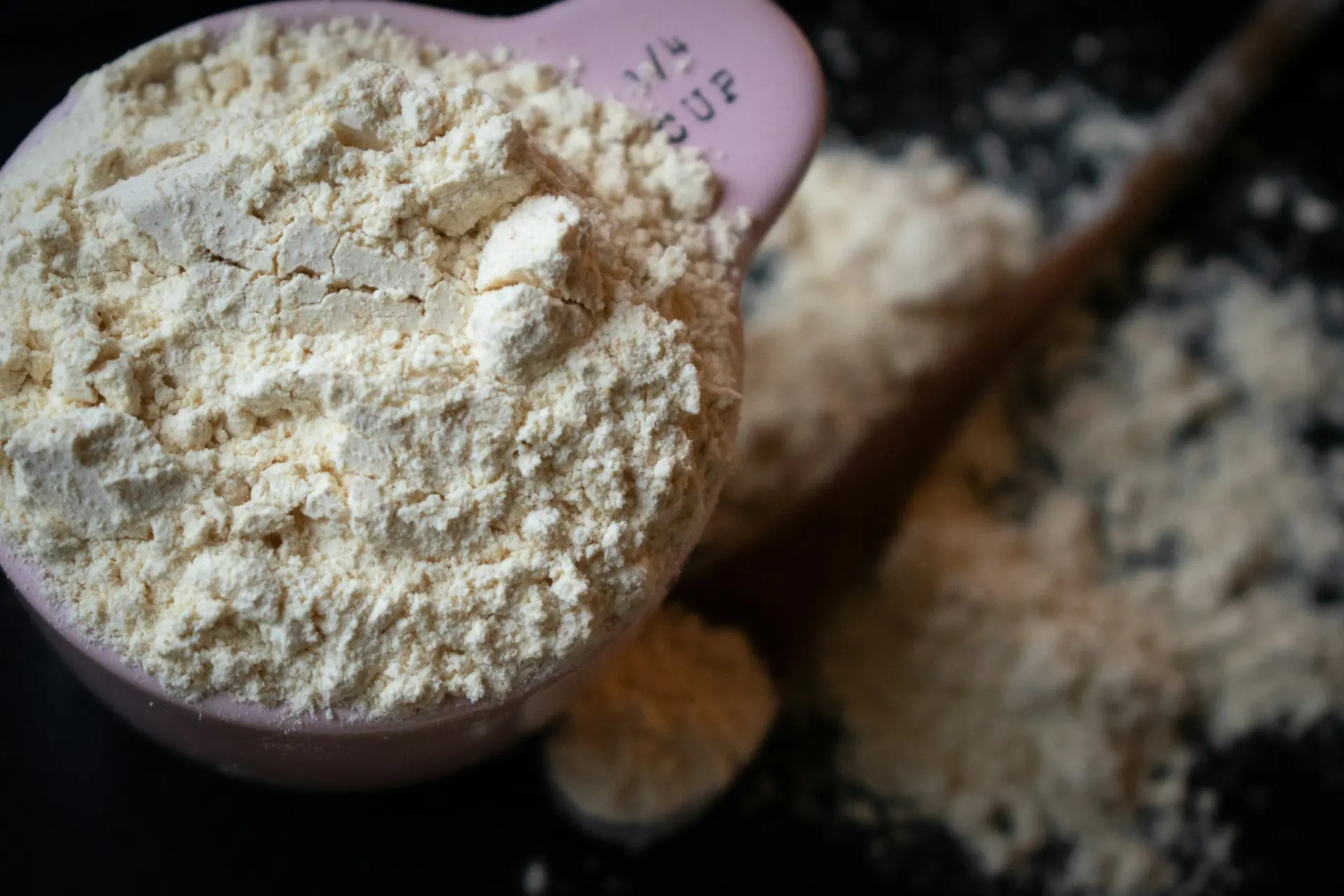
DIY Homemade Protein Powder:
Ingredients:
How to Make:
- Spread seeds on a baking sheet. Toast at 300°F (150°C) for 10 minutes (optional, for flavor).
- Cool completely.
- Grind in a high‑speed blender or food processor in batches until fine powder.
- Sift through a mesh strainer to remove larger pieces.
- Store in an airtight container in the fridge for up to 3 months.
Nutrition per 1/4 cup: ~160 calories, 12g protein, 12g fat, 6g carbs
How to Use: Replace 1/4 of flour in baking recipes with homemade protein powder. Add to smoothies, oatmeal, or yogurt.
Small Tip: “Homemade protein powder is not as concentrated as whey (12g vs 25g protein per serving). Use 1.5‑2 times as much to match commercial protein powder in recipes.”
Part 6: How to Make Protein Shakes Taste Better (Advanced Tips)
Even if you follow the basic formula, these extra tricks elevate your shake from “okay” to “I can’t believe this is healthy.”
Tip 1: Use Frozen Coffee Ice Cubes
Pour leftover coffee into an ice cube tray. Freeze. Blend 2‑3 cubes into your chocolate shake for a mocha latte flavor.
Tip 2: Add a Pinch of Salt
Salt enhances sweetness. A tiny pinch (1/16 tsp) makes chocolate shakes taste richer and fruit shakes taste brighter.
Tip 3: Use Vanilla Extract (Even in Chocolate Shakes)
Vanilla rounds out flavors. Add 1/2 tsp to any shake—chocolate, berry, or vanilla—for depth.
Related Post
Tip 4: Blend in Zucchini or Cauliflower
Sounds weird, works perfectly. A handful of raw zucchini or frozen cauliflower adds creaminess and volume with zero taste. You won’t notice it.
Tip 5: Let It Sit
After blending, let the shake sit for 2‑3 minutes. The protein powder fully hydrates, thickening the shake and eliminating any grittiness.
Small Tip: “The best way to make a protein shake is to use a high‑powered blender with a tamper. It pushes ingredients into the blades, preventing the air pocket that leaves powder stuck to the sides.”
A blender with a tamper tool ensures every bit of powder gets mixed, eliminating clumps.
Your Protein Powder Is Now a Dessert Ingredient
You don’t have to choke down chalky shakes anymore. Protein powder can be brownies, cookies, cheesecake, pancakes, and hot chocolate.
These 15 sweet recipes using protein powder prove that healthy eating doesn’t mean giving up dessert. It means making dessert work for you—fueling your muscles, satisfying your cravings, and keeping you on track with your goals.
Start with the brownies. They’re the fan favorite for a reason. Then try the mug cake for those late‑night cravings. Experiment with the master shake formula until you find your perfect blend.
Your protein powder tub doesn’t have to gather dust. It’s about to become the most used item in your kitchen.
Now go bake something delicious.