You know that feeling. The first sip of really good coffee – smooth, rich, complex. Not bitter. Not burnt. Just perfect.
That’s Arabica.
Most of the coffee you drink (about 60‑70% of the world’s production) is Arabica. But not all Arabica is created equal, and most people don’t realize how much its quality affects their health.
While Robusta coffee is higher in caffeine, Arabica beans contain nearly twice the amount of healthy antioxidants and less of the bitter compounds that can upset your stomach. That means every cup of high‑quality Arabica coffee is delivering more than just a wake‑up call – it’s actively supporting your brain, heart, skin, and even your lifespan.
This guide explores 9 science‑backed Arabica coffee benefits that explain why this bean should be your daily choice. You’ll learn Arabica coffee benefits for skin, whether Arabica coffee is good for weight loss, and the best Arabica coffee preparation methods to maximize flavor and nutrition.
☕ What Makes Arabica Coffee Special?
Before the benefits, a quick primer.
|
Feature |
Arabica |
Robusta |
|---|---|---|
|
Caffeine |
Lower (~1.2%) |
Higher (~2.2%) |
|
Antioxidants (chlorogenic acid) |
Higher |
Lower |
|
Fat & sugar content |
Higher (more flavor) |
Lower (more bitter) |
|
Acidity |
Higher (bright, fruity) |
Lower (harsh, rubbery) |
|
Price |
More expensive |
Cheaper |
The higher antioxidant content is where most Arabica coffee benefits come from. Chlorogenic acid, the main antioxidant in coffee, is significantly more abundant in high‑quality Arabica beans.
Look for ‘100% Arabica’ on the bag. Many blends mix in Robusta to save money. Pure Arabica tastes smoother and delivers more health benefits.
Arabica Coffee Benefits
1. Packed with Powerful Antioxidants
Antioxidants fight free radicals – unstable molecules that damage your cells, accelerate aging, and contribute to chronic disease.
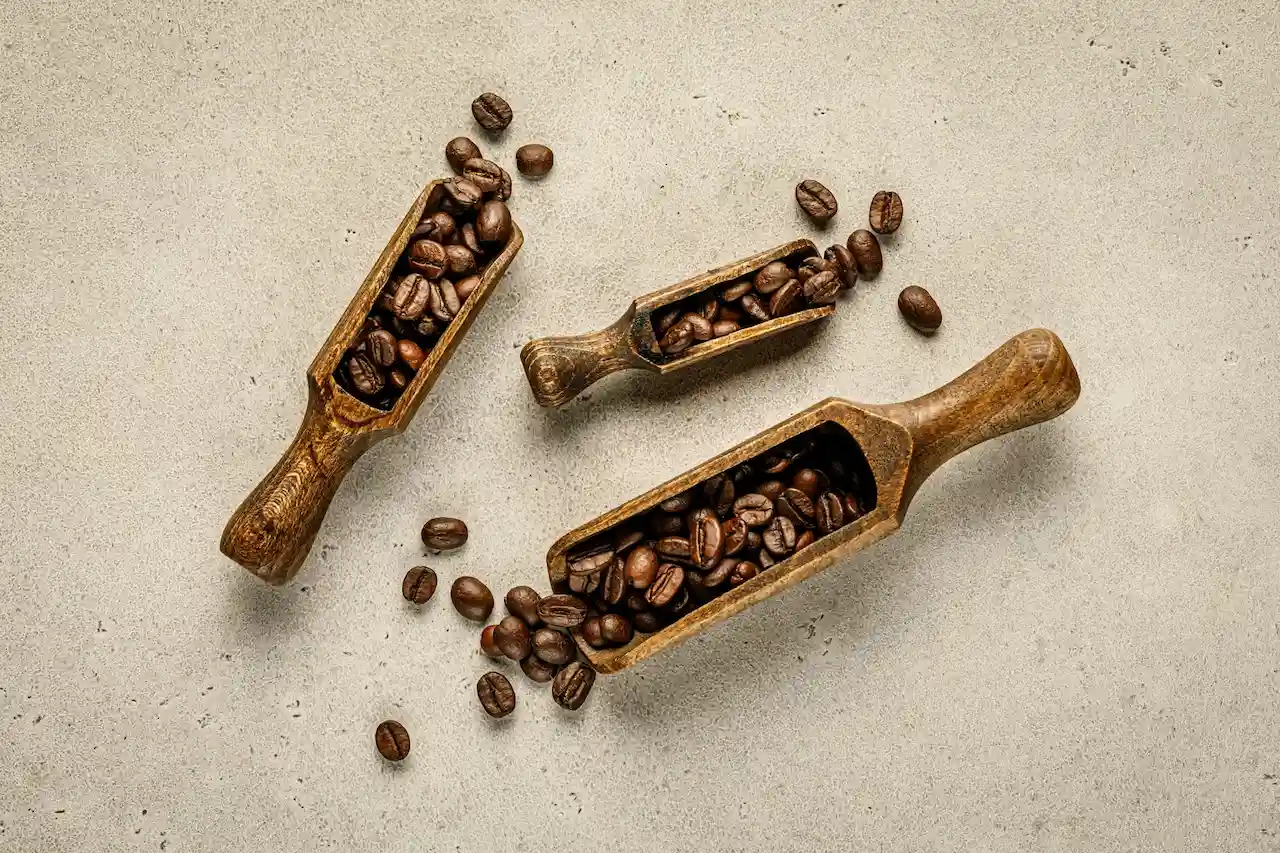
How Arabica Helps: Arabica beans contain up to double the chlorogenic acid of Robusta. This compound neutralizes oxidative stress before it can harm your cells. In fact, coffee is the single largest source of antioxidants in the average Western diet.
The Result: Lower inflammation, slower aging, and reduced risk of diseases linked to oxidative damage.
Light to medium roasts preserve more chlorogenic acid than dark roasts. If you drink coffee for antioxidants, skip the dark, oily beans.
A burr coffee grinder lets you grind fresh beans just before brewing – locking in antioxidants that pre‑ground coffee loses.
2. Supports Brain Health and May Reduce Risk of Cognitive Decline
Your brain loves Arabica coffee.
How It Works: The combination of caffeine and chlorogenic acid protects neurons, reduces brain inflammation, and may inhibit the formation of amyloid plaques (linked to Alzheimer’s).
A 2016 meta‑analysis found that regular coffee drinkers had a 30% lower risk of Alzheimer’s and a 32% lower risk of Parkinson’s.
Why Arabica Specifically: The smoother, less bitter profile of Arabica means you’re more likely to drink it black, without sugar or cream that can offset the benefits.
Small Tip: “Drink your Arabica black for brain benefits. Adding sugar spikes insulin and may counteract the neuroprotective effects.”
3. Promotes Heart Health and Lowers Cardiovascular Risk
Heart disease is the leading cause of death globally. Arabica coffee is heart‑protective.
The Research: A 2018 review of 36 studies found that moderate coffee consumption (2‑4 cups daily) was associated with a 15% lower risk of cardiovascular disease and an 18% lower risk of stroke. The antioxidants in Arabica improve blood vessel function and reduce inflammation.

How It Helps: Chlorogenic acid lowers LDL (“bad”) cholesterol and improves endothelial function – the lining of your arteries.
Use a paper filter when brewing. Paper filters remove cafestol, a compound that can raise LDL cholesterol. French press and metal filters let cafestol through.
4. Arabica Coffee Benefits for Skin (Glow from the Inside)
This is one of the most surprising Arabica coffee benefits for skin.
How It Works: The antioxidants in Arabica protect skin cells from UV damage and oxidative stress. Caffeine also constricts blood vessels temporarily, which can reduce redness and puffiness.
The Research: A 2015 study found that women who drank caffeinated coffee had lower rates of rosacea – possibly due to the vasoconstrictive effects of caffeine. The chlorogenic acid also supports collagen production, keeping skin firm.
Save your coffee grounds. Mix them with coconut oil for a DIY cellulite scrub. Massage on thighs and buttocks – the caffeine may temporarily improve blood flow and skin texture.
Topical Use: Ground Arabica coffee makes an excellent body scrub. The granules exfoliate dead skin, while the caffeine temporarily tightens and brightens.
5. Is Arabica Coffee Good for Weight Loss? Yes – Here’s How.
Is Arabica coffee good for weight loss? Absolutely.
How It Works: The chlorogenic acid in Arabica slows the release of glucose into your bloodstream after meals, reducing insulin spikes that promote fat storage.
Additionally, caffeine boosts metabolic rate by 7‑11% and increases fat oxidation (especially during exercise).
Related Post
The Arabica Advantage: Because Arabica is smoother, you’re less likely to add sugar, cream, or syrups. A black cup of Arabica has only 2‑5 calories, while a sugary coffee drink can have 300+ calories.
Practical Tip: “Drink a cup of black Arabica 30 minutes before your workout. Studies show caffeine increases fat burning during exercise by up to 29%.”
6. Protects Your Liver from Damage
Your liver is your body’s main detox organ. Coffee is remarkably protective.

The Research: A 2017 review of 16 studies found that coffee consumption was associated with a 40% lower risk of liver cancer and a 28‑44% lower risk of chronic liver disease. Both caffeinated and decaf work – so antioxidants, not just caffeine, are responsible.
Why Arabica: Higher chlorogenic acid levels mean more liver protection per cup.
Even if you have fatty liver disease, check with your doctor – but studies show coffee may slow disease progression.
7. Reduces Type 2 Diabetes Risk
Type 2 diabetes affects over 400 million people. Coffee drinkers have a significantly lower risk.
The Research: A 2014 meta‑analysis of 28 studies found that each additional cup of coffee per day reduced diabetes risk by 7‑9%. Those drinking 3‑4 cups daily had a 25% lower risk than non‑drinkers.
How It Works: Chlorogenic acid improves insulin sensitivity and reduces chronic inflammation – both key factors in diabetes development.
Don’t add sugar to your coffee if you’re concerned about diabetes. One teaspoon of sugar per cup adds up and directly opposes the insulin‑sensitizing effects.
8. Boosts Physical Performance (Naturally)
Arabica coffee is a legal, natural performance enhancer.
The Research: A 2018 review found that caffeine improved endurance performance by 2‑6%, strength by 3‑5%, and power output by 5‑8%.
Drink one cup of Arabica 45‑60 minutes before your workout. Time it right, and you’ll feel stronger, faster, and more focused.
Why Arabica: The moderate caffeine content (about 95mg per 8 oz cup) provides the performance boost without the jitters or digestive upset that can come from higher‑caffeine Robusta or energy drinks.
9. May Help You Live Longer
All these benefits add up to one thing: a longer life.
The Research: A 2017 study of over 500,000 people across 10 European countries found that higher coffee consumption was associated with lower risk of death from all causes over 16 years of follow‑up.
A separate study of 185,000 people found that coffee drinkers were 12% less likely to die early than non‑drinkers.
The Arabica Connection: While these studies included all coffee, choosing high‑quality Arabica maximizes antioxidant intake while minimizing bitter compounds and contaminants often found in lower‑grade beans.
Small Tip: “The longevity benefits are seen with 1‑5 cups daily. More than 5 cups may increase anxiety and sleep disruption. Find your sweet spot.”
How to Brew for Maximum Benefits
Arabica coffee preparation matters. How you brew affects both flavor and health benefits.
Best Brewing Methods for Arabica Beans
|
Method |
Health Perk |
Flavor Profile |
|---|---|---|
|
Pour‑over (paper filter) |
Removes cafestol (lowers LDL cholesterol) |
Clean, bright, tea‑like |
|
French press (metal filter) |
Retains cafestol (may raise cholesterol for some) |
Rich, full‑bodied, oily |
|
Cold brew |
Lower acidity, gentler on the stomach |
Smooth, chocolatey, less bitter |
|
Espresso |
Concentrated antioxidants, a small serving |
Concentrated antioxidants, a small serving |
For most people, pour‑over with a paper filter offers the best balance of flavor and heart health.
Step‑by‑Step Perfect Pour‑Over (V60 or Chemex)
- Grind beans medium‑fine (like table salt). A burr grinder ensures consistency.
- Heat water to 195‑205°F (90‑96°C). No thermometer? Boil, then let sit 30 seconds.
- Rinse the paper filter with hot water (removes paper taste).
- Add 1‑2 tbsp of coffee per 8 oz of water (1:16 ratio).
- Bloom: Pour just enough water to wet the grounds. Wait 30 seconds (let gases escape).
- Pour slowly in concentric circles. Total brew time: 2.5‑3.5 minutes.
- Enjoy black for full health benefits.
Invest in a gooseneck kettle. The narrow spout gives you control over pour speed and pattern – the secret to even extraction.
An electric gooseneck kettle with temperature control takes the guesswork out of water temperature.
How to Choose the Best Arabica Coffee
Not all Arabica is equal. Here’s how to pick a healthy, delicious bag.
|
What to Look For |
Why |
|---|---|
|
Single origin |
Traceable source, generally higher quality |
|
Light or medium roast |
Retains most of the chlorogenic acid |
|
Whole bean |
Stays fresh longer; grind just before brewing |
|
Roasted within 2‑4 weeks |
Freshness = flavor + antioxidants |
|
Organic certification |
Fewer pesticides; optional but nice |
What to Avoid:
Buy from local roasters when possible. Beans roasted within days are far superior to supermarket bags that sat on shelves for months.
Related Post

A vacuum‑sealed coffee canister keeps your beans fresh for weeks by removing oxygen.
For a reliable starter bag, Stumptown Hair Bender (100% Arabica) is a favorite among coffee lovers.
❌ Potential Downsides
Arabica coffee is very safe, but moderation matters.
|
Concern |
Reality |
|---|---|
|
Acidity |
Arabica is less acidic than Robusta, but still acidic. Cold brew is the gentlest. |
|
Caffeine sensitivity |
If you have anxiety or insomnia, limit to 1‑2 cups before noon. |
|
Pesticides |
Non‑organic coffee is one of the most heavily sprayed crops. Organic is worth the extra cost. |
|
Additives |
The coffee itself is healthy. Sugar, cream, and syrups are not. |
If coffee upsets your stomach, try cold brew. The cold water extraction reduces acids by up to 70%.
Choose Arabica, Live Longer
Not all coffee is created equal. Arabica beans offer a smoother taste, higher antioxidant levels, and more health benefits than their Robusta counterparts. From protecting your brain and heart to improving your skin and aiding weight loss, the Arabica coffee benefits are clear.
Start by checking your coffee bag. Does it say “100% Arabica”? If not, consider switching. Invest in a good grinder and a simple pour‑over setup. Brew fresh, drink it black, and enjoy the ritual.
Your body will thank you – today, tomorrow, and for years to come.