You’re at the supplement aisle. On one side, a big tub of whey protein – the classic, trusted choice. On the other, a bag of plant protein – peas, rice, hemp. Which one should you pick?
The answer isn’t as simple as “whey is better.” Both have strengths and weaknesses. And for muscle growth, the gap has narrowed significantly in recent years.
This guide breaks down whey protein vs plant protein across every important factor: muscle building, digestion, weight loss, sustainability, and cost. You’ll learn the science behind whey protein vs plant protein for muscle building and plant protein vs whey protein for weight loss.
By the end, you’ll know exactly which one wins for your goals – and whether a hybrid approach might be best.
What’s the Difference? (Quick Overview)
|
Source |
Cow’s milk (dairy) |
Peas, brown rice, hemp, pumpkin seeds, soy |
|---|---|---|
|
Protein per serving (typical) |
20‑25g |
20‑25g |
|
Amino acid profile |
Complete (all 9 essentials) |
Varies; blends are complete |
|
Leucine content |
High (~2.5g per scoop) |
Moderate‑high (~1.5‑2g per scoop) |
|
Digestion speed |
Fast (30‑60 min) |
Moderate (45‑90 min) |
|
Lactose |
Yes (isolate has very little) |
No |
|
Allergens |
Dairy, milk |
Soy (if soy‑based), otherwise none |
|
Cost |
$0.80‑1.50 per serving |
$1.20‑2.00 per serving |
Whey isolate has most lactose removed. If you’re lactose intolerant, whey isolate often works – but plant protein is guaranteed safe.
Amino Acids: The Core of Muscle Building
Muscle growth happens when you consume enough essential amino acids, especially leucine. Leucine directly activates the mTOR pathway – the “build muscle” switch in your body.
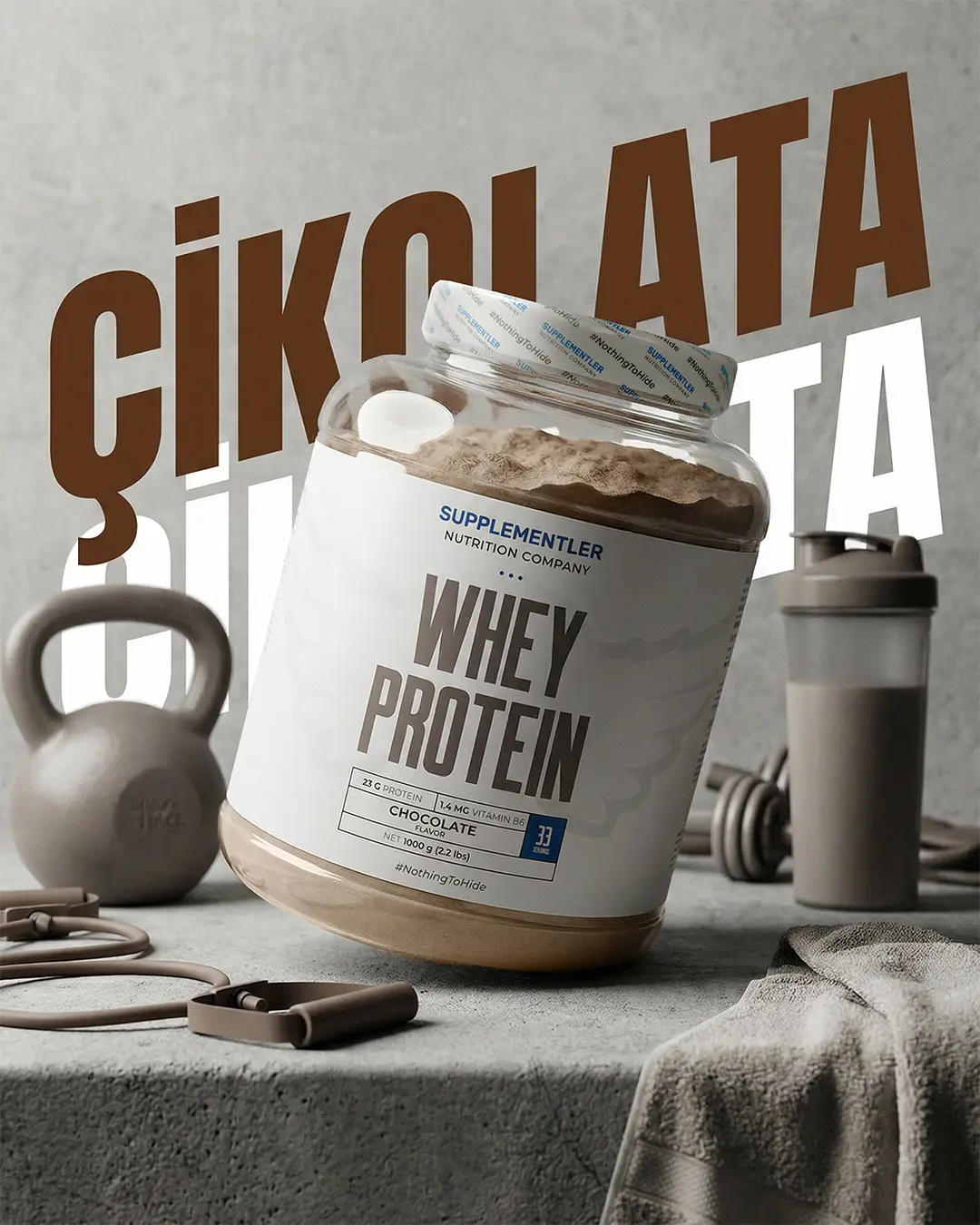
Whey Protein: Whey is naturally rich in leucine – about 2.5g per 25g scoop. That’s more than enough to trigger muscle protein synthesis (the research threshold is ~1.5‑2g leucine per meal).
Plant Protein: Single plant sources (pea, rice, hemp) are often low in one or more essential amino acids. For example:
- Pea protein is low in methionine.
- Rice protein is low in lysine.
- Hemp protein has balanced but lower overall levels.
The Fix: Plant protein blends (like pea + rice) complement each other, creating a complete amino acid profile. A high‑quality blend can match whey’s leucine content.
Research: A 2021 study directly compared whey to a pea‑rice blend in resistance‑trained men. After 8 weeks, both groups gained similar muscle mass. The key was total protein intake and training, not the source.
If you choose plant protein, look for a blend (pea + rice + hemp). Single‑source plant proteins are incomplete and less effective for muscle growth.
Whey Protein vs Plant Protein for Muscle Building
Let’s settle the main question: whey protein vs plant protein for muscle building.
Speed of Absorption
Whey is fast‑digesting. Amino acids hit your bloodstream within 30‑60 minutes, making it ideal post‑workout when muscles are primed for uptake.
Plant protein digests slightly slower (45‑90 minutes). That can actually be beneficial for sustained amino acid release.
Verdict: Whey has a slight edge for immediate post‑workout recovery, but the difference is small for most people.
Leucine Threshold
Studies show you need about 1.5‑2g of leucine per meal to maximize muscle protein synthesis. Whey delivers that easily. A single plant protein may not. A well‑formulated blend does.
Verdict: Whey wins on leucine density, but a quality plant blend comes very close.
Muscle Growth Studies
A 2023 meta‑analysis of 12 studies compared whey to plant protein for muscle gain in people doing resistance training. No significant difference in muscle growth was found when total protein intake was matched.
Verdict: Tie – both build muscle equally when you get enough total protein.
For muscle growth, total daily protein matters more than source. Aim for 1.6‑2.2g per kg of body weight. Spread it across 3‑4 meals.
Plant Protein vs Whey Protein for Weight Loss
Which helps you shed fat faster?
Whey for Weight Loss: Whey is high in leucine, which helps preserve muscle during calorie restriction. More muscle = higher metabolism. Whey also increases satiety (fullness) more than carbs or fat.
Plant Protein for Weight Loss: Plant proteins are often lower in calories per serving (if unsweetened) and contain fiber (if whole food sources). Fiber keeps you full longer. Some studies suggest plant proteins may have a slight advantage for insulin sensitivity.
Research: A 2020 study found that both whey and pea protein reduced body fat equally when combined with a calorie‑controlled diet. The key was protein amount, not source.
Related Post

Verdict: Tie – both support weight loss. Choose whichever fits your diet and preferences.
Whey Protein Benefits (Why It’s Still Popular)
Whey protein benefits include:
- Complete amino acid profile – all 9 essentials in ideal ratios.
- High leucine – best for triggering muscle growth.
- Fast absorption – perfect for post‑workout.
- Rich in glutathione precursors – supports the immune system.
- Extensive research – decades of studies confirming effectiveness.
- Generally cheaper – mass production keeps prices low.
Downsides: Dairy allergy, lactose intolerance (isolate helps), not vegan.
A top‑rated whey isolate is Optimum Nutrition Gold Standard 100% Whey – mixes easily, tastes great, and has 24g of protein per scoop.
Protein from Plants (Why It’s Gaining Ground)
Protein from plants offers unique advantages:
- No lactose or dairy – safe for intolerant or allergic individuals.
- Often includes fiber – supports digestion and fullness.
- Eco‑friendly – lower carbon and water footprint than dairy.
- Alkaline forming – may help with recovery (less acid load).
- No hormones or antibiotics – plant proteins are naturally free.
Downsides: Can be more expensive, some taste gritty, incomplete single sources (fix with blends).
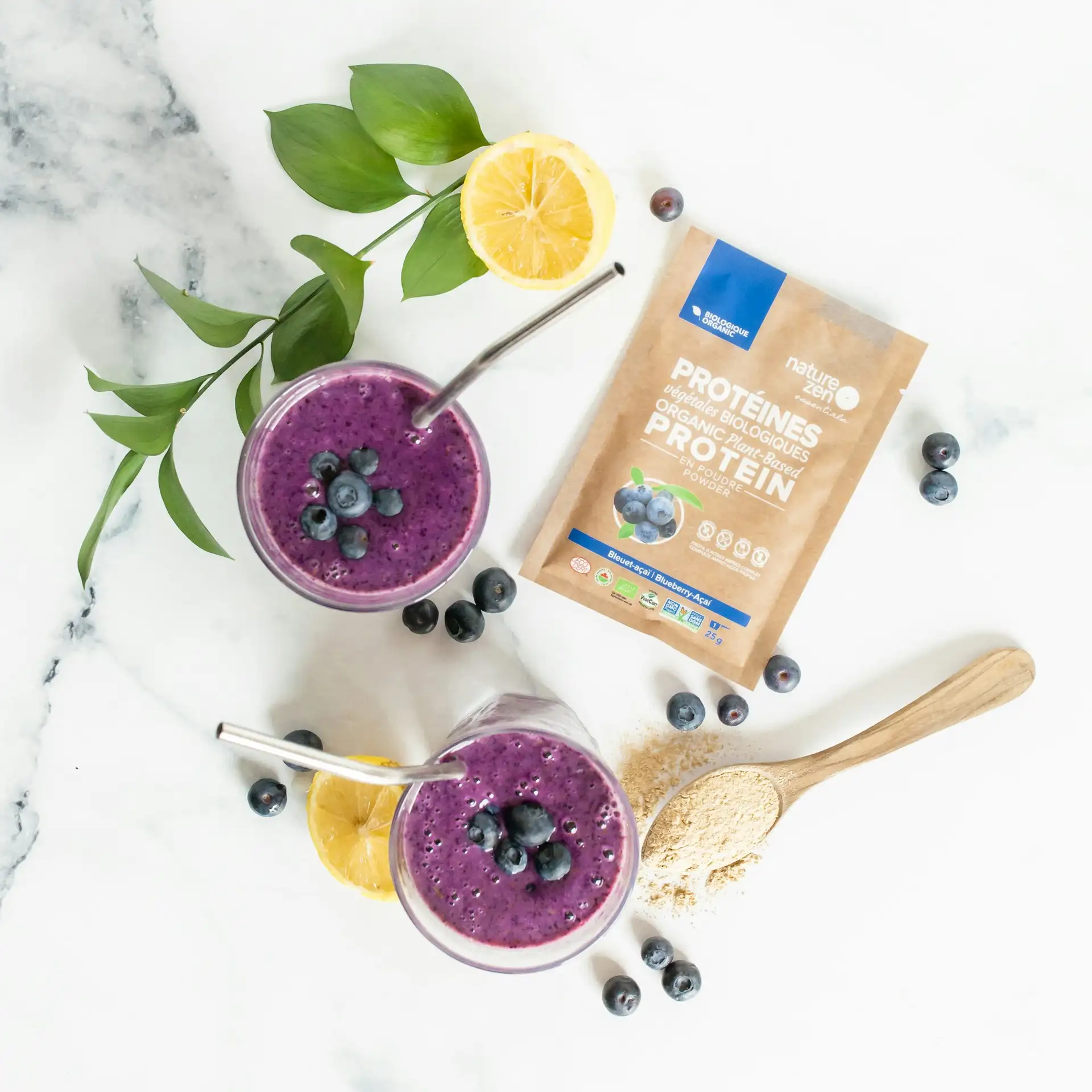
For a high‑quality plant blend, Orgain Organic Plant Protein (pea, rice, chia) is a popular choice with 21g of protein per serving.
Digestion and Gut Health
Whey: Contains lactose (even isolate has trace amounts). Some people experience bloating, gas, or digestive discomfort. Whey also stimulates IGF‑1, which may be beneficial for muscle but concerning for some.
Plant protein: Generally easier to digest. The fiber content supports gut bacteria. No lactose issues. Some people find pea protein slightly gritty or beany‑tasting.
If whey gives you gas, try whey isolate first – it’s 90‑95% protein with minimal lactose. If that still bothers you, switch to plant protein.
Verdict: Plant protein wins for digestive comfort, especially for those with dairy sensitivity.
Sustainability and Ethics
Whey: Dairy production has a significant environmental footprint – water use, methane emissions, and land use. However, whey is a byproduct of cheese making, so it uses resources that would otherwise be wasted.

Plant protein: Peas, rice, and hemp have much lower environmental impact. They require less water, land, and produce fewer emissions. Plant protein is also vegan and cruelty‑free.
Verdict: Plant protein wins for sustainability and ethics.
Cost Comparison
|
Type |
Price per gram of protein |
|---|---|
|
Whey concentrate |
~$0.03‑0.05 |
|
Whey isolate |
~$0.05‑0.07 |
|
Plant protein (blend) |
~$0.07‑0.10 |
Whey is generally cheaper because of large‑scale dairy production. Plant proteins have become more affordable but still cost more per gram.
Verdict: Whey wins for budget‑conscious buyers.
Taste and Texture
Whey is creamy, mixes easily, and comes in dozens of flavors (chocolate, vanilla, strawberry, cookies & cream). Plant proteins can be gritty or chalky, though modern blending has improved significantly.
Verdict: Whey wins for taste and texture.
Which One Should You Choose?
|
Your Priority |
Best Choice |
|---|---|
|
Max muscle growth (budget) |
Whey concentrate |
|
Max muscle growth (digestion issues) |
Whey isolate or plant blend |
|
Weight loss |
Either – choose based on taste/digestion |
|
Vegan or dairy‑free |
Plant protein blend |
|
Eco‑friendly |
Plant protein |
|
Post‑workout speed |
Whey (faster absorption) |
|
Meal replacement (slow release) |
Plant protein (adds fiber) |
|
Best taste |
Whey |
|
Best value |
Whey |
Many people use both whey post‑workout for fast absorption, and plant protein as a meal replacement or before bed. You don’t have to choose just one.
The Science Summary: Do They Build Muscle Equally?
Yes – when total protein intake is matched.
A 2021 systematic review and meta‑analysis concluded: “Plant‑based protein supplementation is not inferior to animal‑based protein for promoting muscle mass and strength gains in healthy individuals engaged in resistance training”.
Related Post
The key is getting enough total protein (1.6‑2.2g per kg body weight) and enough leucine per meal (1.5‑2g). A 25g scoop of whey gives you ~2.5g leucine. A 25g scoop of a pea‑rice blend gives you ~1.8‑2g leucine – still sufficient.
Bottom line: Both work. Choose based on your values, budget, and digestion.
Which One Wins?
The honest answer? Neither wins outright – it depends on you.
The most important factor isn’t whey or plant – it’s getting enough total protein, training consistently, and eating in a way that supports your goals.
Choose the protein you’ll actually take. If you dread the taste of your powder, you won’t use it. Try samples, experiment with blends, and listen to your body.
Your muscles don’t care where the amino acids come from – they just need them.